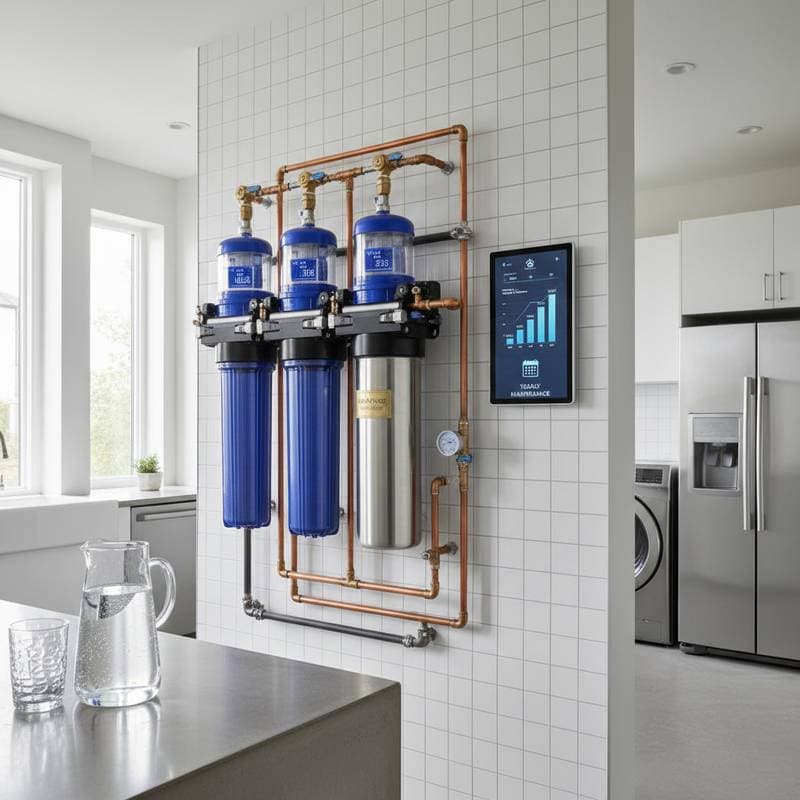
What You Will Pay for a Whole-Home Water Filtration System
Hard water stains, chlorine smells, and mineral deposits often render tap water unappealing. Homeowners frequently find bottled water impractical over time. A whole-home water filtration system addresses these issues by delivering treated water to every faucet, shower, and appliance, thereby elevating overall water quality and flavor.
Planning such an installation requires awareness of expenses, influencing factors, and selection criteria tailored to specific home requirements.
Quick Cost Overview
Installed whole-home water filtration systems generally range from $1,500 to $5,000, varying by home dimensions, filtration method, and local water conditions. Entry-level single-stage units begin at approximately $800, whereas advanced multi-stage or reverse osmosis configurations may surpass $8,000 including setup.
Annual upkeep, such as replacing cartridges or filter media, typically amounts to $100 to $300.
The following table outlines common system varieties, their costs, suitable applications, and maintenance needs:
| System Type | Typical Installed Cost | Best For | Maintenance Needs |
|---|---|---|---|
| Carbon Filter | $1,000 to $2,500 | Chlorine, odors, and sediment removal | Cartridge replacement every 6 to 12 months |
| Sediment Filter | $800 to $1,800 | Sand or rust particles in water | Cleaning or replacement twice yearly |
| Water Softener | $1,500 to $3,500 | Hard water and mineral accumulation | Monthly salt addition; yearly resin cleaning |
| Reverse Osmosis (Whole-Home) | $4,000 to $8,000 | Comprehensive contaminant reduction | Membrane replacement every 2 to 3 years |
| UV Purification Add-On | $500 to $1,500 | Bacterial and viral elimination | Annual UV bulb replacement |
Factors Influencing Costs
Multiple elements determine the total expense, even among identical system types.
Water Quality and Source
Municipal water often demands removal of chlorine and sediments, whereas well water may necessitate treatment for iron, sulfur, or microbes. A straightforward carbon filter suffices for city supplies in many cases, but well sources typically require multi-stage setups incorporating UV disinfection. Conducting a professional water analysis, costing $50 to $150, identifies precise contaminants and guides appropriate system design.
Home Size and Plumbing Configuration
Smaller residences with one bathroom and half-inch lines accommodate compact 10-inch filter housings. Larger properties featuring three or more bathrooms demand 1-inch main lines and 20-inch housings to sustain flow rates exceeding 10 gallons per minute. Higher household water consumption correlates with larger, costlier systems to prevent bottlenecks in delivery.
Installation Demands
Accessible plumbing near the primary shutoff valve allows completion in a few hours. Properties with tight crawl spaces, outdated galvanized piping, or independent hot water circuits extend labor time and elevate fees. Professional installation fees span $500 to $1,500, encompassing valves, connectors, and pressure verification.
Filtration Stages and Materials
Additional stages enhance contaminant capture at the expense of higher upfront costs. A dual-stage arrangement might pair a sediment pre-filter with a carbon block for basic purification. A five-stage model could incorporate resin for softening, catalytic carbon for chemical neutralization, and UV for pathogen control, potentially doubling the initial investment while broadening effectiveness.
DIY Installation Versus Hiring Professionals
Individuals proficient in pipe handling can manage smaller systems independently. Essential tools include a pipe cutter, adjustable wrench, PTFE tape, shutoff valves, a mounting bracket, and screws.
Opting for DIY reduces expenses by about $500, yet errors risk leaks or diminished pressure. For copper or PEX main lines, those lacking plumbing expertise should engage a licensed plumber. Experts verify compliance with local codes regarding pressure regulation and backflow safeguards.
Pitfalls to Sidestep
- Overlooking water testing. Assumptions about filtration needs result in suboptimal results or unnecessary spending.
- Selecting undersized equipment. Inadequate housing in expansive homes leads to reduced pressure and inconsistent flow.
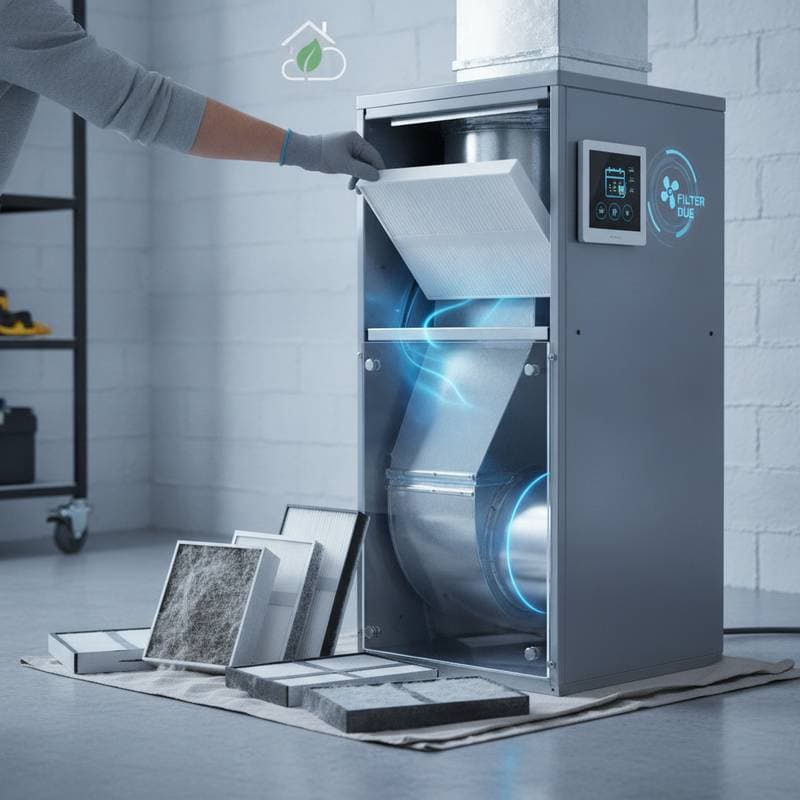
- Neglecting upkeep routines. Clogged elements compromise performance and permit contaminant resurgence.
- Poor system positioning. Placement must precede the water heater to treat both hot and cold lines effectively.
Steering clear of these errors extends system durability to 10 to 15 years.
Accessibility and Space Planning
Evaluate available space near the water entry point, such as a garage, basement, or utility room, to accommodate the unit and any add-ons. Compact designs fit tight areas, but multi-stage systems require 2 to 4 square feet plus clearance for servicing. Ensure ventilation if UV components generate heat, and confirm the floor supports the weight of filled tanks, which can exceed 100 pounds.
Steps to Implement Your System
Start with a water quality assessment to pinpoint needs. Compare system options based on your budget and household demands, consulting local suppliers for quotes. Schedule installation during low-usage periods to minimize disruption, and establish a maintenance calendar immediately. Track water usage post-installation to confirm efficiency and adjust as necessary.
Benefits of Investing in Whole-Home Filtration
Such systems not only improve water purity and taste but also protect appliances from scale buildup, extending their lifespan. Residents enjoy healthier showers, reduced skin irritation, and lower reliance on bottled alternatives. Over time, the investment yields savings on maintenance and replacements while promoting environmental sustainability through decreased plastic waste.