Essential Seasonal HVAC Filter Maintenance
A clean HVAC filter serves as a fundamental safeguard for indoor air quality and system efficiency. Homeowners often neglect this vital maintenance step. Dust and debris accumulate over time, obstructing the filter and compelling the system to operate under increased strain. This added stress accelerates equipment wear, elevates energy expenses, and diminishes overall home comfort. Adhering to a structured seasonal replacement plan ensures peak performance year-round.
The Impact of Seasonal Filter Maintenance
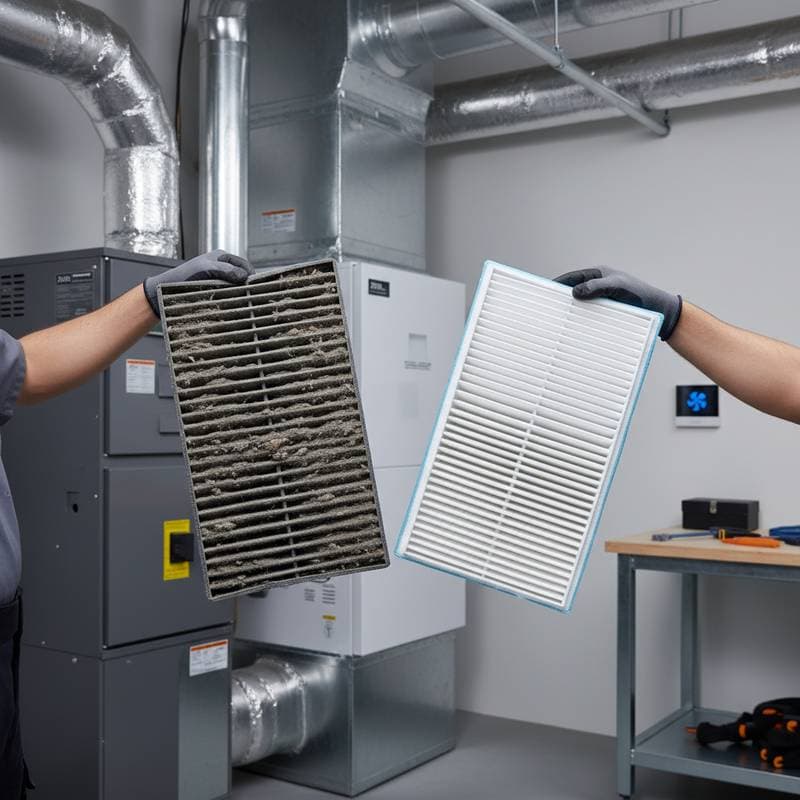
HVAC filters capture dust, pollen, pet dander, and other airborne contaminants before they spread throughout living spaces. A clogged filter impedes airflow, which compromises heating and cooling effectiveness. Restricted airflow frequently results in inconsistent temperatures, unusual noises, or complete system failures.
Specialists indicate that a clean filter reduces energy use by as much as 15 percent. This practice yields financial savings alongside superior air quality. It also shields critical components like the blower motor and compressor from premature failure, avoiding substantial replacement expenses.
Selecting the Appropriate Filter Types
Filters vary in performance and suitability. The ideal choice aligns with specific household requirements and system capabilities.
- Fiberglass filters offer low cost and disposability. They effectively trap larger particles yet provide minimal air quality benefits.
- Pleated filters deliver enhanced filtration and extended durability. These suit typical homes with standard air quality demands.
- High-efficiency filters featuring MERV ratings of 11 or higher capture fine particles such as allergens and smoke. They prove beneficial in households with pets, allergy sufferers, or respiratory conditions.
Consult the HVAC manual or a certified technician if uncertainty persists regarding compatibility. An overly restrictive filter may hinder airflow and impair system function.
Recommended Seasonal Replacement Timeline
Seasonal variations influence HVAC demands, necessitating tailored filter care. A consistent routine addresses these shifts effectively.
Spring: Rising temperatures introduce abundant pollen, accelerating filter clogging. Install a fresh filter at season's onset to block allergens from entering indoor spaces. In pollen-heavy areas, inspect monthly and replace as needed.
Summer: Prolonged air conditioning use heightens the importance of unobstructed airflow. A soiled filter risks evaporator coil freezing, which incurs repair costs. Swap the filter every one to two months, particularly with frequent operation.
Fall: Prior to heating season, evaluate and renew the filter to clear accumulated summer dust. This step optimizes readiness for cooler weather demands.
Winter: Frequent heater activation gathers additional dust and lint on filters. Perform at least one replacement mid-season; increase to monthly intervals in homes with pets or regular fireplace use.
Indicators Requiring Prompt Filter Replacement
A predefined schedule provides guidance, yet specific symptoms demand immediate action. Monitor for these common alerts:
- Noticeable dust layers on the filter surface
- Reduced airflow from supply vents
- Unexplained spikes in energy bills
- Excessive dust settling on furniture and surfaces
- Persistent musty odors in indoor air
Overlooking these cues risks discomfort and equipment harm. If airflow remains poor after replacement, arrange a professional assessment for duct blockages or mechanical faults.
Handling Replacement: DIY Versus Expert Assistance
Filter replacement ranks among the most straightforward homeowner tasks. Locate the slot adjacent to the return air duct, power down the system, remove the old filter, and secure the new one ensuring airflow arrows align properly.
Annual or biannual professional inspections complement this effort. Technicians address coil cleaning, electrical checks, and refrigerant verification. Integrating these services with filter upkeep sustains efficiency and averts escalating problems.
Evaluating Costs and Energy Savings
Standard filters range from a few dollars to around thirty dollars based on specifications. Premium options remain economical compared to energy losses from neglect. Homeowners frequently overlook the profound influence of clean filters on monthly utilities.
For allergy-prone or pet-owning families, high-efficiency pleated filters minimize dusting efforts and support well-being. Initial costs recoup through reduced medical needs and sustained air purity.
Practical Strategies for Effective Maintenance
- Establish alerts. Leverage calendar apps or smart devices to notify of upcoming replacements.
- Purchase in advance. Acquire multiple filters to maintain continuity; store in a moisture-free area.
- Mark installation dates. Inscribe the date on the filter frame for quick reference.
- Verify dimensions. Ill-fitting filters permit unfiltered air leakage, undermining performance.
Safeguarding System Longevity
HVAC units represent significant home investments. Regular filter care bolsters efficiency, prolongs service life, and delivers reliable comfort.
Adopt this straightforward regimen and heed warning signals to sidestep repairs and foster healthier air. Whether through personal efforts or professional support, diligent maintenance ensures a robust system and inviting home atmosphere.