Understanding Greywater Systems and Their Value in 2026
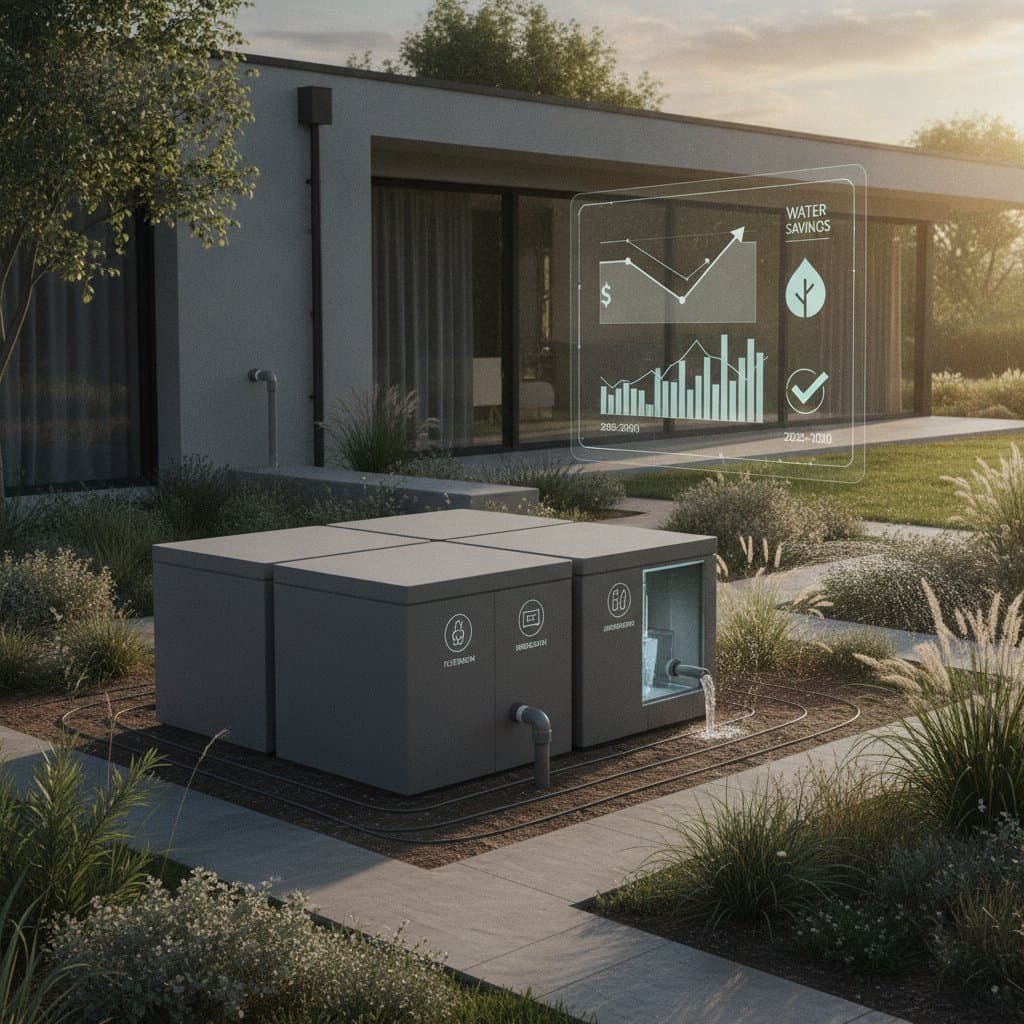
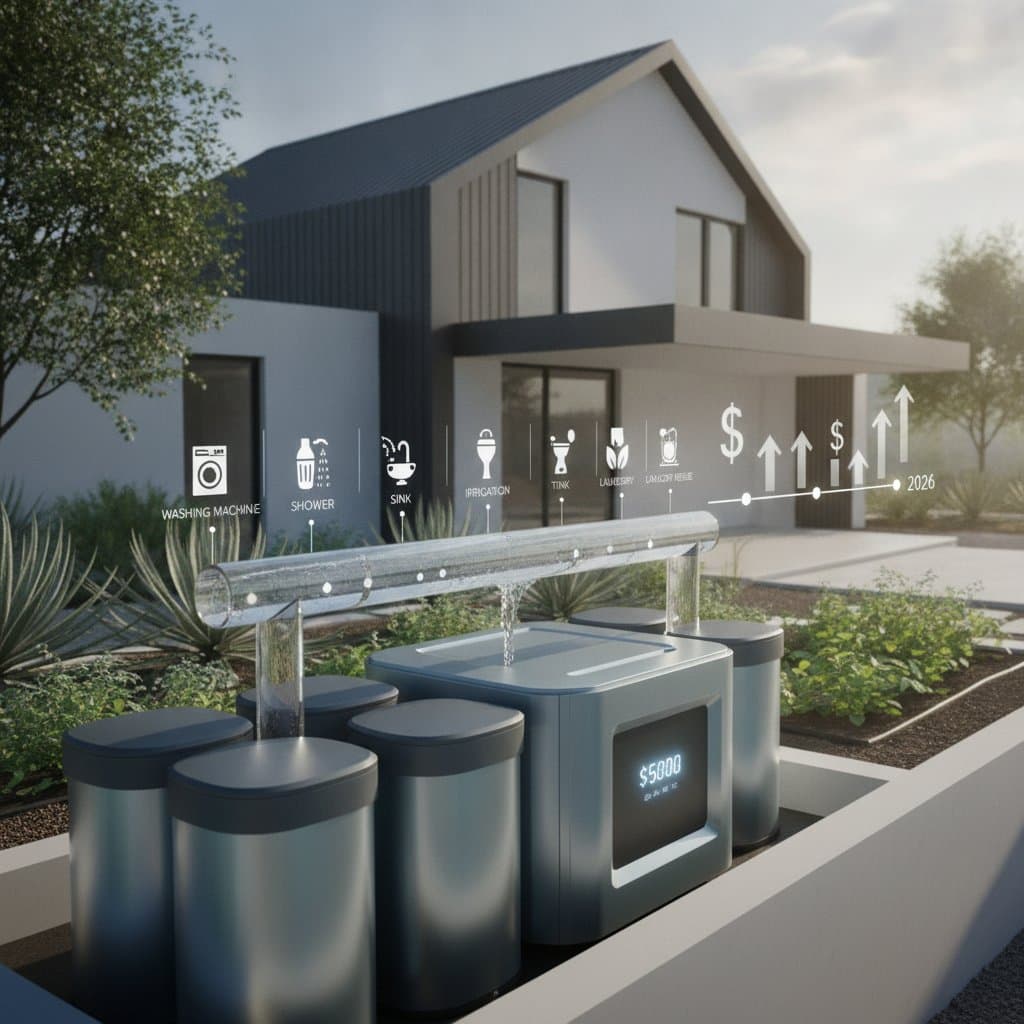
Greywater systems capture and reuse wastewater from household sources such as showers, sinks, and washing machines. This recycled water supports irrigation or toilet flushing, thereby reducing overall water consumption. In 2026, with increasing emphasis on sustainability, these systems emerge as a practical solution for homeowners seeking to lower utility expenses and environmental impact.
The primary appeal lies in long-term savings. Households can expect to decrease water bills by 30 to 50 percent, depending on usage patterns and system efficiency. Beyond financial benefits, greywater diversion eases pressure on municipal water supplies and promotes water conservation in water-scarce regions.
Breaking Down Installation Costs for 2026
Installation expenses for greywater systems vary widely based on complexity, scale, and local regulations. Basic setups, suitable for small homes or apartments, start at approximately $800. These simple diverter systems route water directly to garden beds without extensive plumbing modifications.
Mid-range options, which include basic filtration and pumps, range from $2,000 to $5,000. Such systems handle moderate household volumes and require professional installation to ensure compliance with health codes. Advanced configurations, featuring sophisticated treatment like biological filters or UV disinfection, can reach $10,000 to $15,000. These comprehensive setups serve larger properties and integrate seamlessly with existing infrastructure.
Several elements influence these figures. Labor costs, often 40 to 60 percent of the total, depend on regional rates and project duration. Materials, including pipes, tanks, and filters, add another substantial portion. Permitting fees, which may total $200 to $500, account for inspections and approvals in areas with strict wastewater guidelines.
Key Factors Affecting Greywater Pricing
Home size and water usage play central roles in determining system requirements. A single-family dwelling with three bathrooms might need a more robust setup than a compact unit. Soil type and landscape layout also matter; sandy soils absorb greywater efficiently, potentially simplifying design and reducing costs.
Regulatory environment varies by location. Some municipalities offer incentives or rebates that offset expenses by up to 20 percent. Others impose rigorous standards, elevating preparation and certification needs. Energy efficiency features, such as low-power pumps, can increase initial outlay but yield savings over time.
Choosing between DIY and professional installation further impacts budget. While basic diverters appeal to handy individuals, complex systems demand expert involvement to avoid code violations or performance issues. In 2026, rising material prices due to supply chain dynamics may push averages upward by five to ten percent from prior years.
Steps to Plan and Install a Greywater System
Effective planning ensures optimal performance and cost control. Begin by evaluating household water sources. Identify fixtures producing suitable greywater, such as laundry and bathing areas, while excluding kitchen or toilet waste due to contamination risks.
Next, consult local building codes early in the process. Many regions require permits and professional certification. Engage a qualified installer familiar with 2026 standards to assess site feasibility and recommend appropriate components.
Budget allocation proves essential. Allocate funds for not only hardware but also contingencies like soil testing or unexpected plumbing adjustments. Secure quotes from multiple providers to compare value and warranties, which typically span five to ten years.
During installation, prioritize quality over shortcuts. Proper routing prevents leaks, and secure connections safeguard system integrity. Post-installation testing verifies flow and filtration effectiveness before full operation.
- Conduct a water audit. Measure daily usage to pinpoint high-volume sources and potential greywater volumes.
- Select system scale wisely. Match capacity to needs; avoid excess features that inflate costs without added benefit.
- Incorporate filtration early. Choose multi-stage filters to maintain water quality and extend system life.
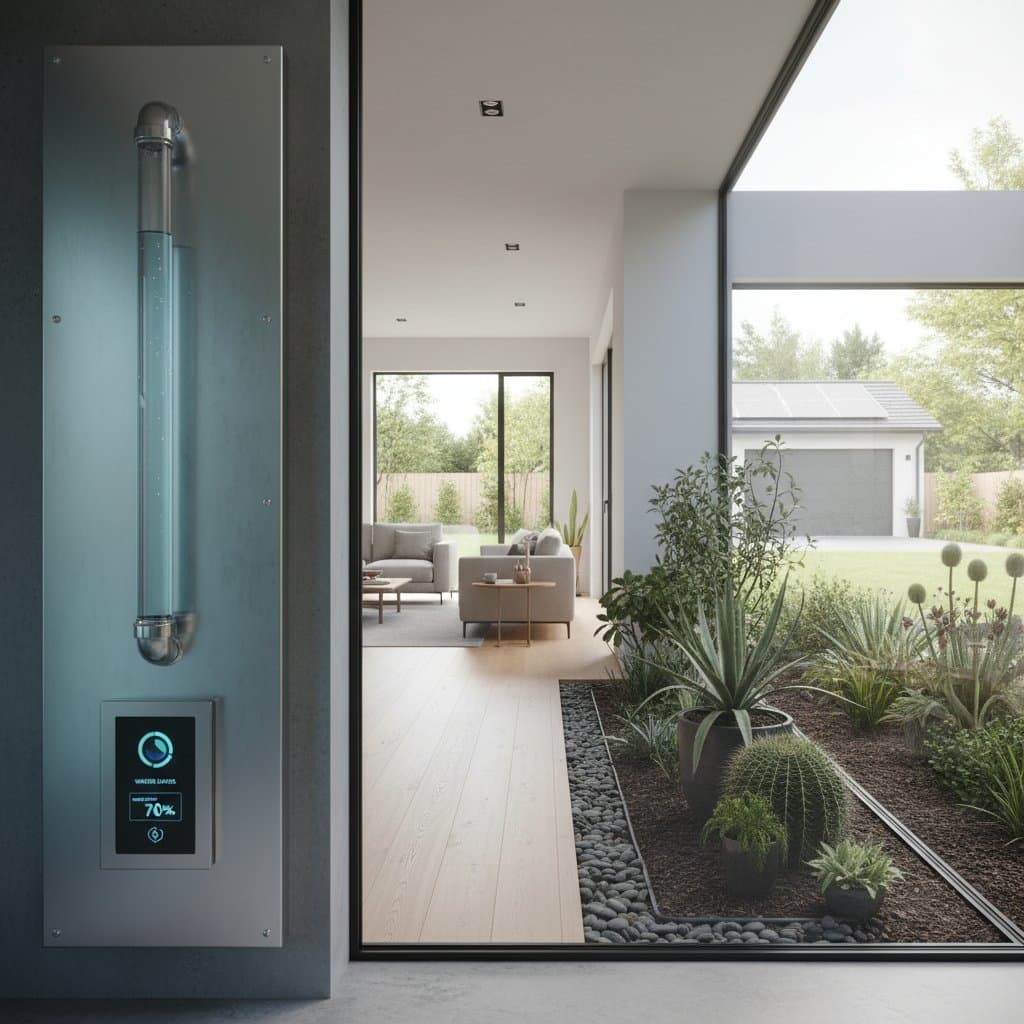
- Integrate smart monitoring. Add sensors for real-time data on usage and alerts for maintenance needs.
- Plan plumbing routes. Minimize pipe lengths to reduce material expenses and installation time.
Ongoing Maintenance for Longevity
Regular upkeep preserves efficiency and extends return on investment. Schedule quarterly inspections to clean filters and check for clogs. Replace components as needed; filters may require monthly attention in high-use homes.
Monitor water quality periodically. Test for pH balance and contaminants to ensure safe reuse. Adjust irrigation schedules based on seasonal changes to prevent overwatering or soil saturation.
- Start with a water audit. Identify where the most water is used and which fixtures can be connected.
- Choose the right system size. Oversized systems waste money, while undersized ones cannot meet demand.
- Plan for maintenance. Keep filters accessible and schedule routine inspections.
- Use compatible products. Select detergents and soaps labeled as greywater safe.
- Monitor performance. Check flow rates and irrigation coverage regularly to ensure consistent operation.
Annual professional servicing, costing $200 to $400, addresses deeper issues like pump wear. Such diligence minimizes downtime and maximizes savings.
Realizing Returns and Broader Impacts
Payback periods typically span three to twelve years, influenced by water rates and system scale. In high-cost areas, returns accelerate; a $5,000 investment might recoup through $1,000 annual savings. Beyond finances, these systems enhance property resilience against droughts and align with green building trends.
Homeowners report improved landscapes and reduced environmental footprint. Greywater adoption supports community-wide conservation efforts. For 2026, integrating such technology positions residences as models of sustainable living, blending practicality with ecological stewardship.