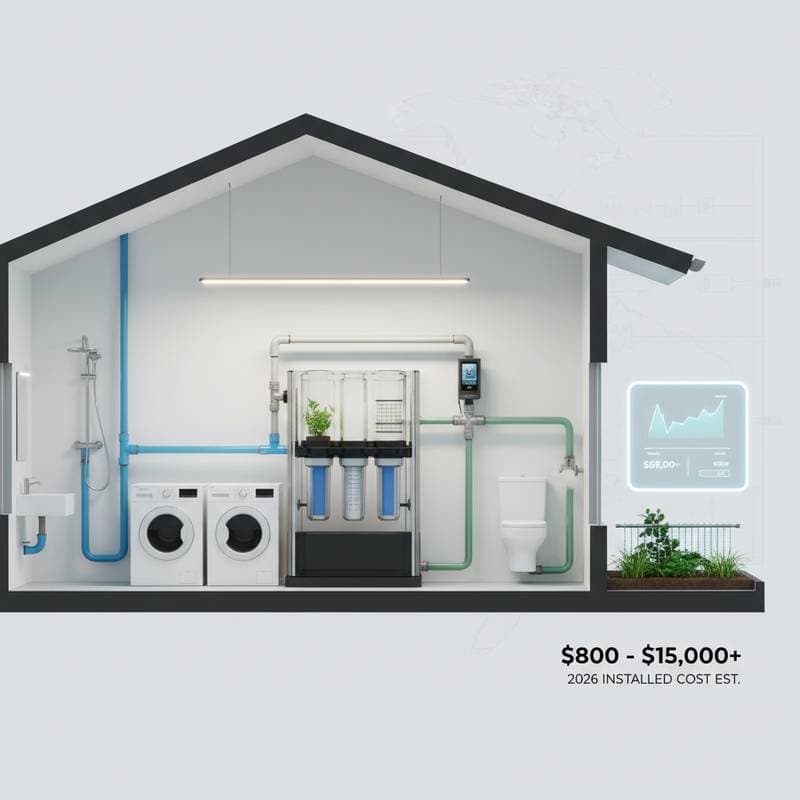
Understanding Greywater System Costs in 2026
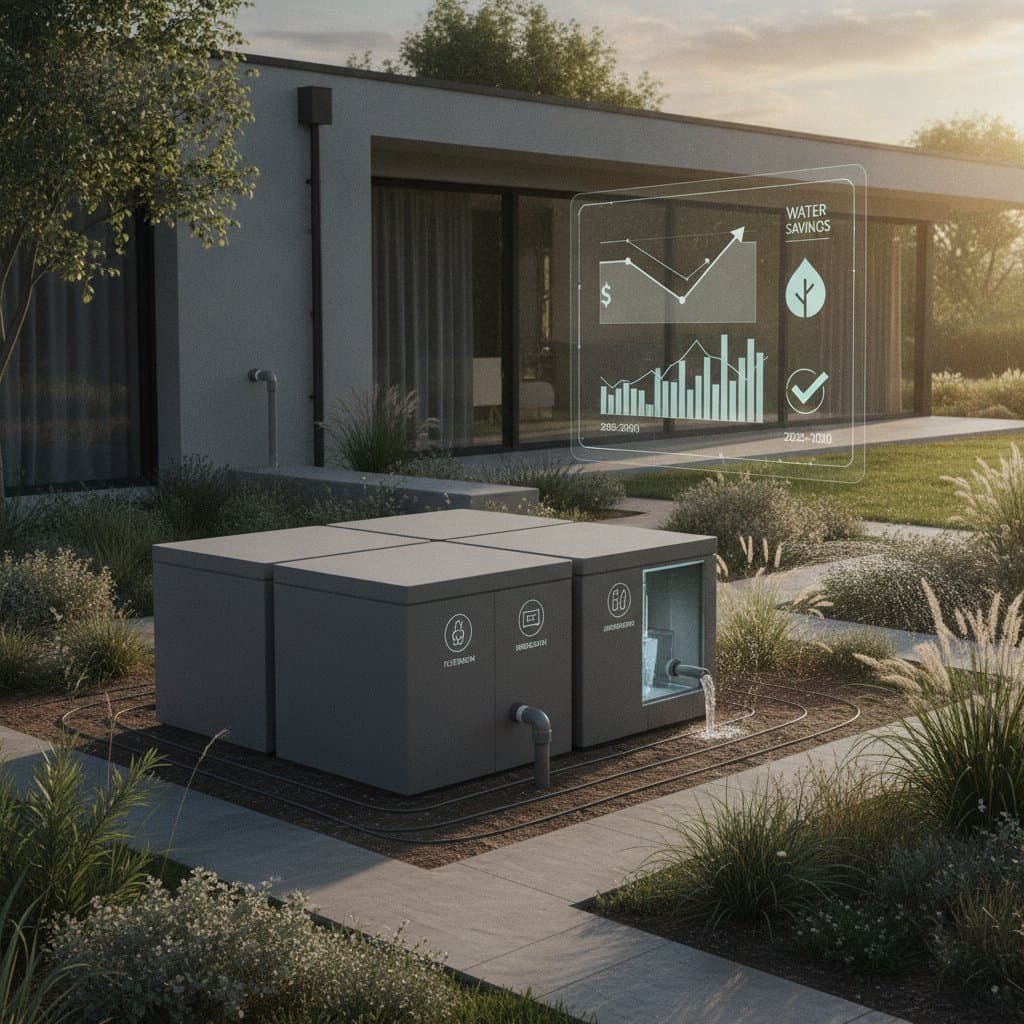
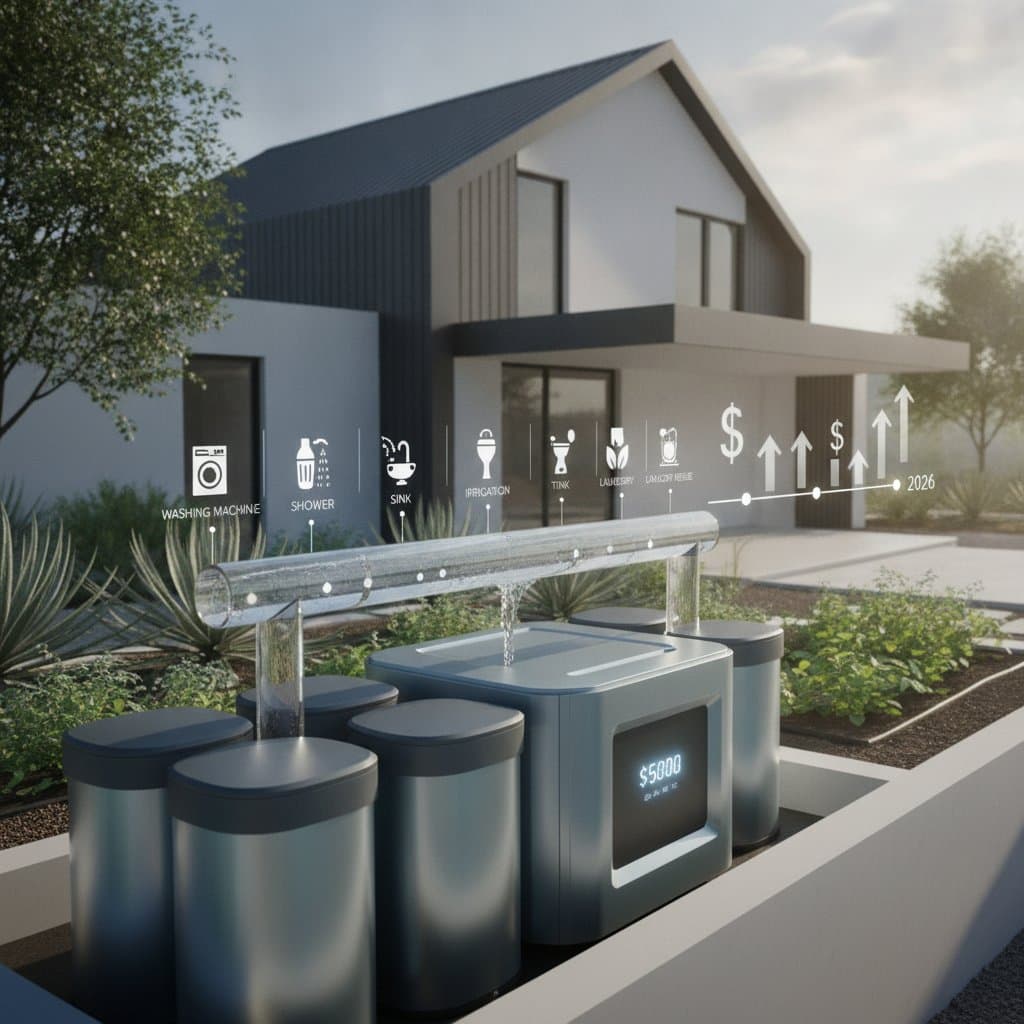
Greywater systems capture and reuse lightly contaminated household water from sinks, showers, and laundry for non-potable purposes like garden irrigation. These setups promote water conservation amid growing concerns over scarcity. In 2026, installation expenses reflect advancements in materials and regulations, offering homeowners a path to sustainability.
Basic systems start at $800 for straightforward diverter valves and piping. Mid-range options with storage and filtration fall between $3,000 and $6,000. Advanced models featuring disinfection and plumbing integration range from $8,000 to $15,000 or higher. DIY approaches lower initial outlays, yet professional services guarantee adherence to codes and optimal performance. Permits and inspections in various areas add $200 to $800.
Key Factors Influencing Greywater System Prices
Multiple elements determine the total investment in a greywater system. Awareness of these drivers enables better budgeting and avoids unexpected charges.
House Layout and Plumbing Access
Properties with easily reachable plumbing near wastewater sources incur lower retrofitting expenses. Deeply embedded pipes in concrete or concealed behind walls elevate labor demands. Single-story structures with crawl spaces simplify the process, whereas multi-level homes necessitate extensive pipe rerouting.
System Capacity and Storage Needs
Compact systems managing 20 to 30 gallons daily require fewer parts. Larger households producing up to 100 gallons per day demand robust tanks, filters, and pumps. Storage units cost $400 to $1,200 based on capacity and construction. Polyethylene models prevail for their durability and cost-effectiveness against corrosion.
Filtration and Treatment Options
Choices span basic mesh screens at about $100 to sophisticated biological or membrane units surpassing $1,000, including carbon and UV elements. Selection hinges on application: outdoor use tolerates simpler filtration, but indoor scenarios demand rigorous purification.
Automation Features
Manual diverters suit basic needs, while automated systems with sensors, valves, and controllers enhance usability. These upgrades contribute $500 to $2,000 to the overall price.
Landscaping and Water Distribution
Effective delivery prevents surface pooling and odors. Subsurface drip lines and mulch basins ensure uniform application. Setup for these components adds $300 to $1,000, scaled to landscape dimensions.
Regulatory and Permitting Requirements
Local codes dictate design and approval processes. Certain jurisdictions mandate plans from licensed professionals. Stringent conservation zones might provide rebates to ease financial burdens.
DIY Versus Professional Installation
Self-installation attracts budget-conscious owners, with a simple laundry diversion system achievable under $1,000 using readily available parts. Resources like guides and videos facilitate the task, though complexity limits suitability.
Experts deliver certified knowledge, evaluating site conditions such as soil absorption and safe discharge points. Their involvement secures warranties, compliance, and inspection approval. Higher upfront costs often yield superior longevity and efficiency.
Calculating Long-Term Savings and Return on Investment
Effective systems cut water consumption by 25 to 40 percent. Savings scale with utility rates and usage; a $1,000 yearly bill sees $300 annual reduction at 30 percent efficiency. A $5,000 investment recoups over 15 to 20 years, accelerated by incentives.
Many regard these systems as enduring enhancements to resilience and appeal in green markets. Professionals note increased buyer interest in properties equipped for eco-conscious living.
Annual Maintenance Expenses
Routine upkeep sustains performance and averts issues like blockages or smells. Filter servicing occurs every few months, pumps receive yearly checks, and treatment components need periodic replacements. Budget $100 to $300 yearly for active systems.
Homeowners integrate tasks with seasonal routines, such as tank inspections during yard maintenance. Records of activities support warranty claims and performance monitoring.
Accessing Rebates and Financing
Utilities and governments provide $200 to $2,000 in rebates tied to efficiency and compliance. These initiatives promote conservation while reducing barriers to adoption.
Loans for sustainable upgrades and assessed energy programs distribute costs over years. Verify eligibility against local standards prior to proceeding.
Overlooked Expenses in Greywater Projects
Beyond core elements, additional outlays emerge:
- Site work like trenching or soil leveling: $300 to $700.
- Electrical additions for pumps: $150 to $500.
- Repeated inspection charges.
- Adjustments during plumbing alterations.
Anticipating these maintains project budgets.
Urban and Rural Installation Differences
City environments contend with space limits and rigorous oversight, inflating costs by 20 to 30 percent. Compact, intricate designs accommodate dense settings.
Countryside sites leverage ample space for simpler gravity systems, though extended piping may necessitate extra equipment. Site-specific assessments balance these dynamics.
Broader Advantages of Greywater Adoption
These systems alleviate pressure on public water and treatment infrastructure, curbing related energy demands. Reused water enriches soil with natural nutrients, fostering vibrant gardens without excess fertilizers.
Homeowners gain autonomy during shortages and derive fulfillment from efficient practices. Such benefits extend the value proposition past financial metrics.
Selecting a Reliable Installer
Prioritize specialists in sustainable plumbing with certifications and client testimonials. Demand comprehensive bids detailing components, timelines, and support.
Post-installation orientation covers operations, upkeep, and troubleshooting. This knowledge empowers owners to sustain the system's effectiveness.
Practical Strategies for Greywater Success
- Initiate with a modest laundry diversion to test feasibility.
- Align distribution with plant requirements to prevent excess moisture.
- Select plant-safe, biodegradable cleaners free of salts.
- Maintain labeled schematics for ongoing reference and sales.
- Measure usage via meters to quantify conservation.
Insights from homeowner networks offer real-world guidance.
Sustaining Greywater System Performance
Integrate the setup into routine home care with quarterly filter reviews, annual pump tests, and line flushes. Address odors promptly through cleaning and drainage checks. Consistent attention preserves savings and functionality over decades.
Greywater integration fosters mindful resource stewardship, yielding household efficiencies alongside communal environmental gains.