Prepare Your AC Unit: Key Tune-Ups Before Summer Heat Arrives
Summer heat transforms the air conditioner into a vital component of home comfort. A properly maintained unit ensures consistent cooling, enhances indoor air quality, and manages energy expenses effectively. Neglecting pre-season preparation often results in diminished performance, elevated utility bills, and sudden failures. Early attention to the system maximizes reliability during peak demand periods.
Importance of AC Tune-Ups
Air conditioning units operate extensively during warmer months. Accumulation of dust, pollen, and moisture within the system impedes airflow and burdens mechanical parts. An overlooked unit consumes excess power, delivers inconsistent cooling, and deteriorates more rapidly. Industry experts note that routine pre-summer evaluations avert the majority of emergency service requests. Such maintenance detects minor faults before they escalate into expensive fixes.
Comprehensive Tune-Up Checklist
Effective tune-ups emphasize optimal performance and energy savings. Certain procedures suit homeowner execution, while others require professional expertise. The following elements form a standard AC inspection protocol.
-
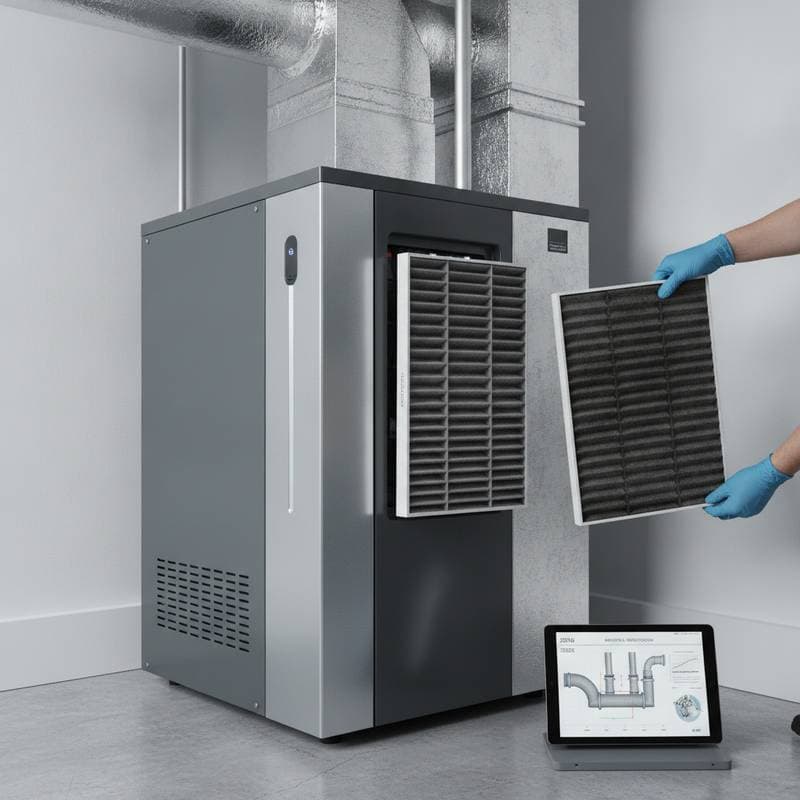
Replace or clean the air filter
Clogged filters compel the system to labor excessively, which hampers airflow and raises energy consumption. Exchange disposable filters or wash reusable variants every one to three months amid intensive operation. Select filters with a MERV rating of 8 to 13 for balanced filtration without undue resistance. -
Inspect and clean the condenser coils
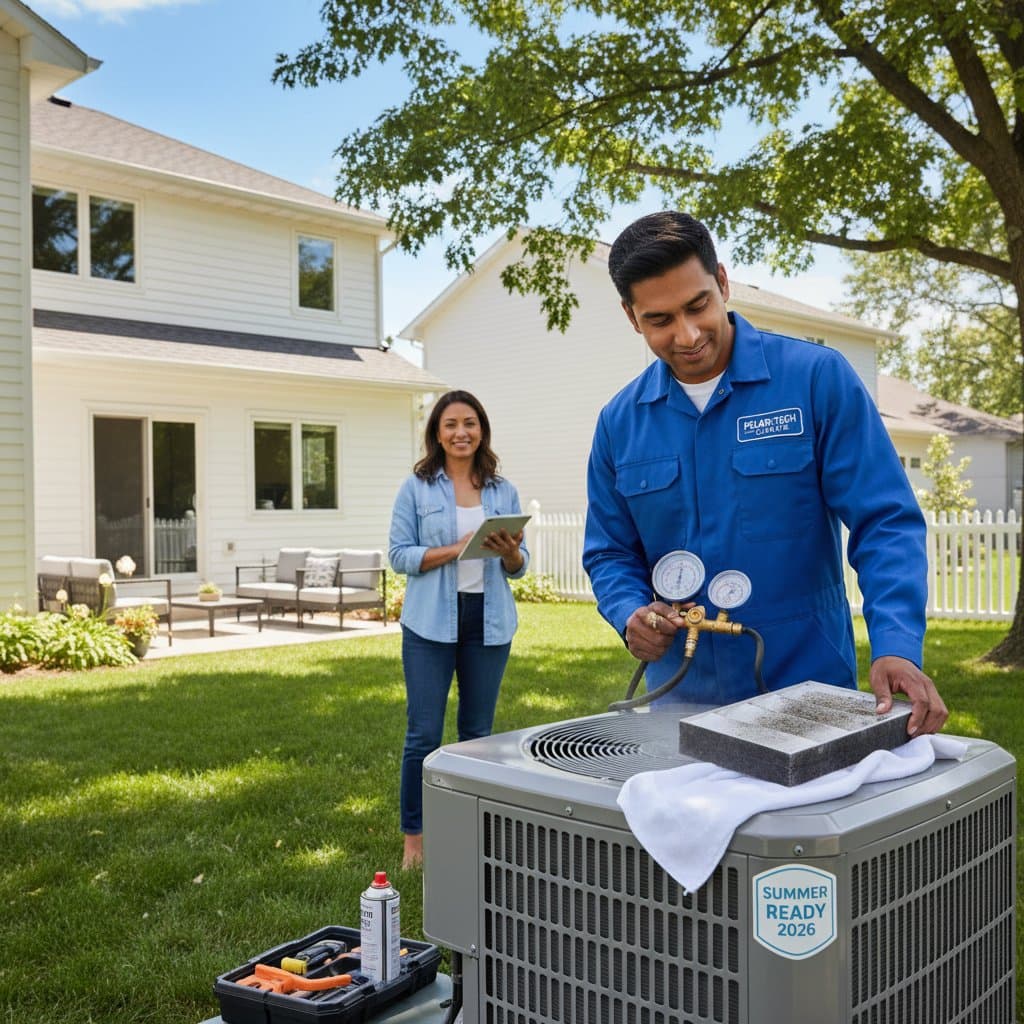
The exterior condenser gathers dirt and foliage that hinder heat dissipation. Disconnect power supply, clear substantial debris by hand, and rinse coils using a low-pressure garden hose. Proceed cautiously to avoid damaging the thin fins; employ a soft brush for stubborn buildup if necessary. -
Examine the evaporator coil and drain line
The indoor evaporator coil attracts dust over time, which diminishes cooling effectiveness and risks drain clogs. Clear the drain line by pouring a solution of one part vinegar to ten parts water through the access point. This action inhibits bacterial and algal proliferation that could lead to overflows. -
Evaluate the thermostat
Verify thermostat precision and functionality. Traditional manual models benefit from replacement with programmable or smart alternatives. These advanced options optimize energy use by modulating temperatures based on occupancy patterns, potentially saving 10 percent or more on cooling costs. -
Inspect electrical connections and controls
Frayed wiring or loose terminals disrupt system stability. Professionals employ multimeters to assess voltage and secure components. Homeowners should avoid this step due to electrical hazards. -
Lubricate moving parts
Fans and motors require periodic oiling to minimize wear and sustain smooth operation. Consult the unit manual for appropriate lubricant types and application points. Technicians typically perform this during scheduled visits to ensure comprehensive coverage. -
Verify refrigerant levels
Insufficient refrigerant indicates potential leaks, which impair cooling and contribute to environmental damage. Certified technicians use gauges to measure pressure and detect issues. Recharging demands EPA certification and specialized recovery equipment.
Distinguishing DIY Tasks from Professional Interventions
Individuals can address filter maintenance, basic coil cleaning, and thermostat adjustments independently. However, refrigerant handling, electrical diagnostics, and coil deep-cleaning necessitate trained personnel equipped with precision instruments. Forum discussions among HVAC enthusiasts highlight that professional services often yield 15 to 20 percent reductions in energy expenditures through fine-tuned optimizations.
Advantages in Energy Savings and Expenses
A meticulously maintained AC operates with greater efficiency, directly lowering electricity demands. Data from energy authorities indicate that consistent upkeep can decrease cooling-related costs by 5 to 15 percent annually. Furthermore, proactive care prolongs equipment longevity, deferring the substantial outlay for full replacements. Homeowners investing in tune-ups realize compounded returns through reduced repairs and extended service life.
Identifying Early Indicators of Issues
Prior to seasonal activation, observe operational cues that signal underlying problems. Vents emitting warm air, reduced airflow volume, or atypical sounds suggest component strain. Musty odors may point to moisture retention in ducts or pans, fostering microbial growth. Immediate professional evaluation proves essential for symptoms like frost on lines or erratic cycling, which exacerbate damage under load.
Establishing a Routine Maintenance Plan
Schedule comprehensive AC servicing in early spring, ahead of rising temperatures. Integrate this with broader home preparations, such as clearing gutters or insulating windows. Set calendar alerts for monthly filter reviews and post-storm outdoor unit assessments. This disciplined approach sustains peak performance across the entire cooling period.
Safeguarding Comfort and System Longevity
Reliable air conditioning underpins enjoyable summer living. Regular tune-ups fortify equipment durability, elevate air purity, and stabilize household budgets. Homeowners who commit to these practices, whether through self-managed basics or expert consultations, secure uninterrupted cooling. Proactive steps transform potential vulnerabilities into assured performance, preserving both comfort and financial well-being.