Understanding Greywater Systems for Home Water Savings
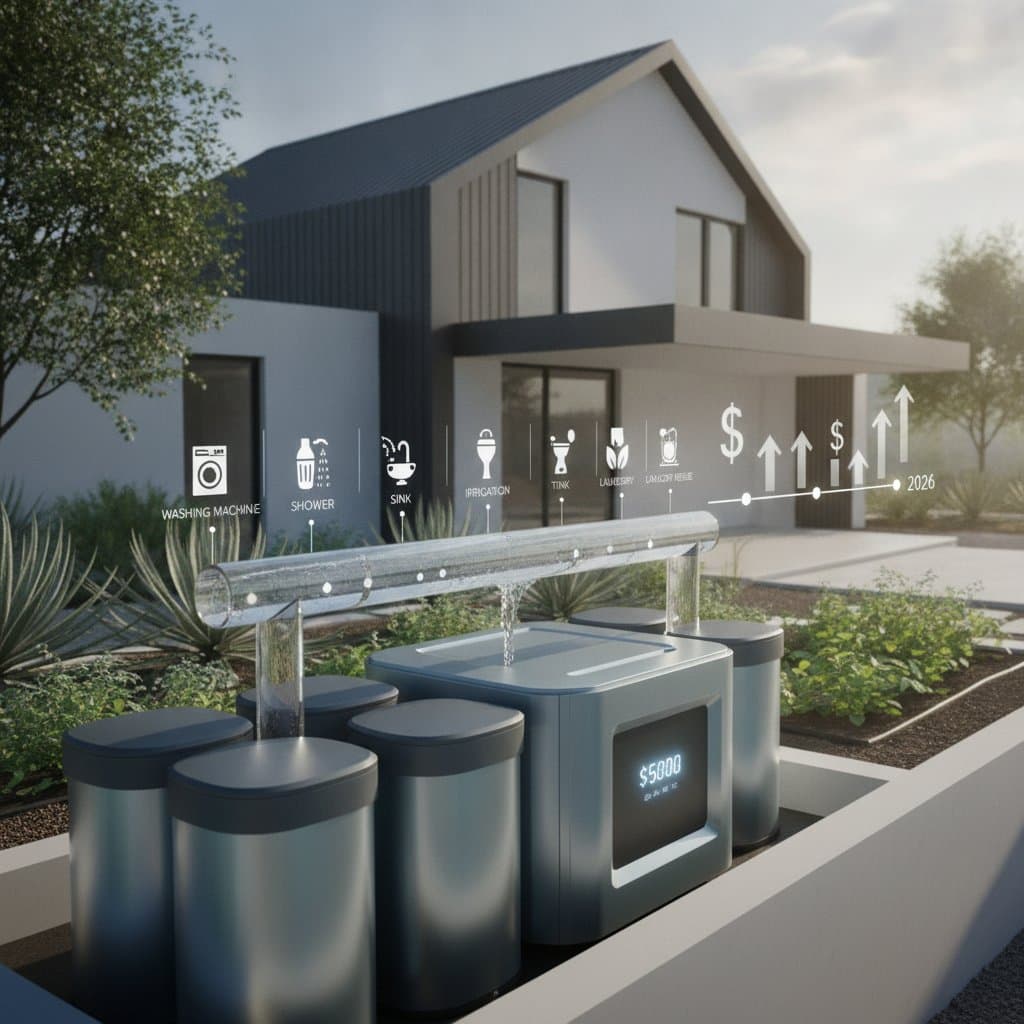
Greywater recycling offers homeowners a straightforward method to lower water bills and promote sustainable practices. These systems capture lightly contaminated water from sources such as showers, bathroom sinks, and laundry machines, then filter and redirect it for uses like garden irrigation or toilet flushing. In many areas, this approach reduces overall household water consumption by up to 50 percent, influenced by factors including local climate, yard size, and system configuration.
Homeowners benefit from grasping the associated costs and regulatory steps before proceeding. Beyond immediate financial gains, greywater systems build resilience against growing water scarcity challenges.
Detailed Cost Analysis for Greywater Installations
Expenses for greywater systems fluctuate based on scale, features, and regional rules. Key outlays include materials, professional services, and approvals, with total investments ranging from modest sums for basic units to significant amounts for comprehensive setups.
Equipment Expenses
- Laundry-to-Landscape Basics: These entry-level systems rely on gravity to channel washing machine outflow to garden beds or planters. A do-it-yourself kit costs between $200 and $500, while professional versions run $1,000 to $2,500, including basic plumbing connections.
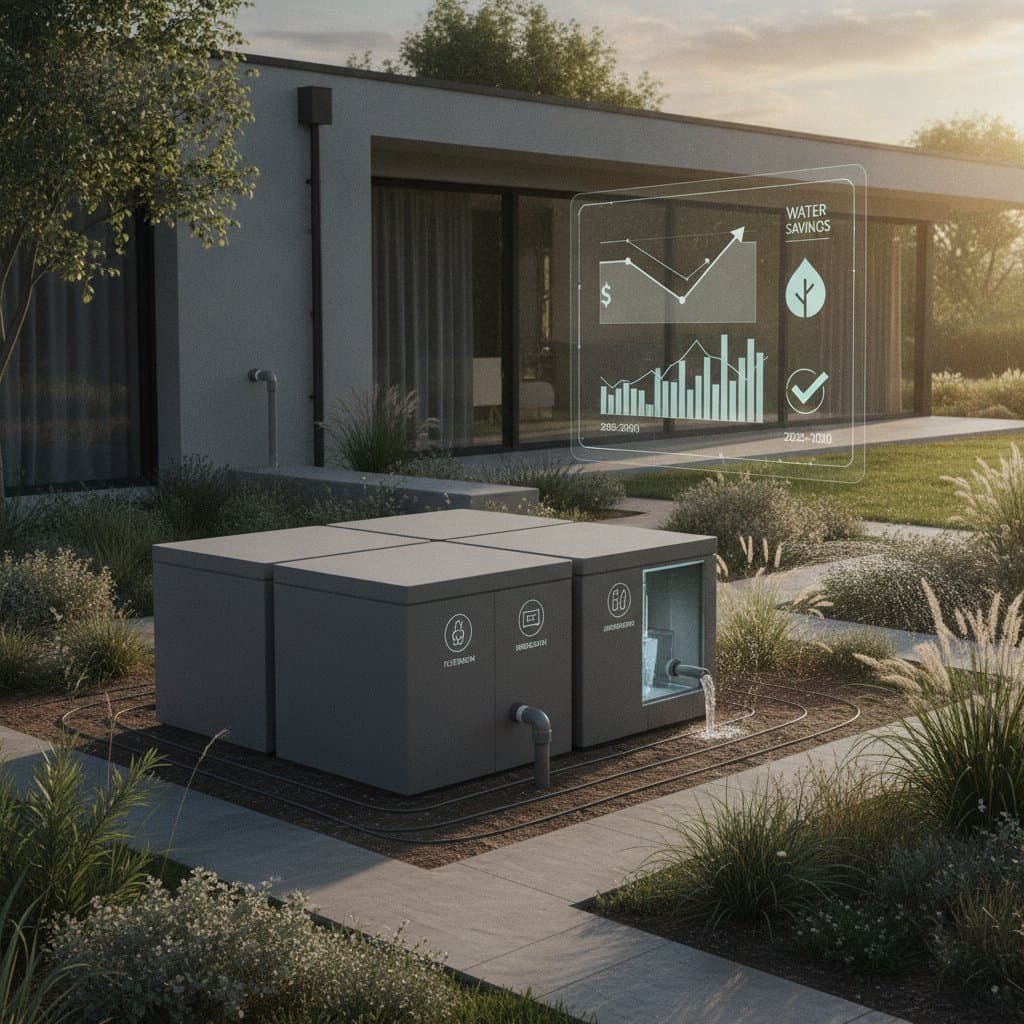
- Full-Home Collection Units: Designed to gather water from various fixtures, these incorporate storage tanks, filtration media, and pumps for broader distribution. Professional installation prices span $5,000 to $15,000, depending on home layout and capacity needs.
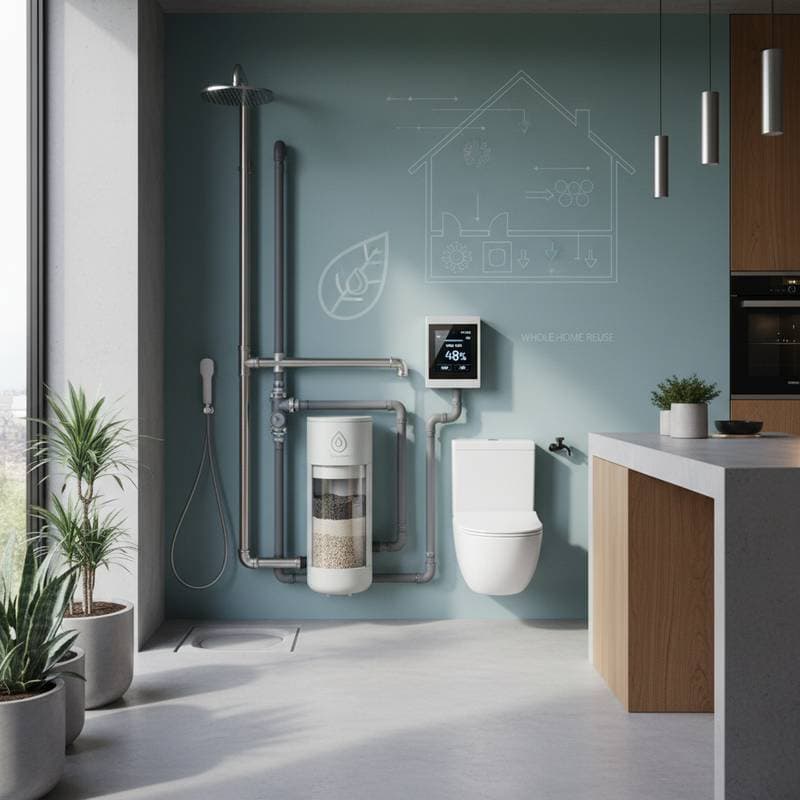
- Enhanced Treatment Components: For indoor applications like toilet replenishment, add-ons such as UV disinfection or biological filters increase costs by $2,000 to $5,000. These ensure water quality meets health standards for non-potable reuse.
Installation Labor Fees
Labor charges vary with project scope and site conditions. A straightforward laundry diversion might require four to eight hours, costing $500 to $1,500. More intricate whole-home projects demand two to five days, pushing fees to $2,000 or more.
Engage certified plumbers or specialists versed in water reuse codes to avoid pitfalls. As a contractor noted in an online forum, many amateur attempts falter during inspections due to overlooked elements like proper pipe gradients or backflow prevention.
Permitting and Oversight Charges
Local jurisdictions often mandate permits for alterations to drainage or irrigation infrastructure. Fees typically range from $150 to $600, scaled to system intricacy.
Certain municipalities provide rebates up to $1,000 for compliant installations, easing the financial burden. Consult your area's building office or water district early to outline requirements and explore support programs.
Quantifying the Financial and Practical Returns
Greywater adoption yields measurable reductions in water demand, yielding both direct and indirect advantages.
Bill Reductions Through Usage Cuts
An average four-person household might save 30 to 50 percent on irrigation water alone, equating to $200 to $400 annually in moderate climates. In areas with progressive pricing structures, where higher volumes incur steeper rates, annual savings can exceed $500.
Easing Load on Waste Systems
For properties on septic systems, diverting greywater extends pump-out cycles from every three years to every five or more, trimming maintenance expenses by hundreds of dollars over time. City dwellers contribute to broader infrastructure relief by lightening sewer demands during peak periods.
Elevating Home Market Appeal
Properties equipped with verified water conservation features command premiums of five to ten percent. Market studies indicate such homes attract eco-conscious buyers and close sales 20 percent quicker than standard listings.
Broader Ecological Impacts
Reusing greywater preserves freshwater supplies, aiding drought-prone regions and cutting energy for purification by up to 40 percent per gallon recycled. This practice fosters community-level resilience while mirroring personal cost benefits.
Essential Maintenance Practices for System Durability
Regular upkeep ensures greywater systems operate efficiently and avoid costly repairs. Focus on preventing buildup in filters and lines through consistent monitoring.
Perform monthly inspections: clean mesh screens in collection points, flush distribution pipes with fresh water, and check pump functionality if applicable. Automated systems with tanks benefit from yearly professional tune-ups, including bacterial checks and seal replacements.
Component swaps, such as filters every six months for $50 to $100, pale against ongoing savings. With diligent care, systems endure 15 years or longer, providing reliable performance.
Steps to Install and Optimize Your Greywater System
Transitioning to greywater reuse begins with assessing your property's water sources and reuse potential. Map high-volume generators like laundry and baths, then evaluate yard or indoor needs for redistribution.
Secure approvals by submitting plans to local authorities, incorporating any mandated designs for safety. Investigate incentives through utility providers to maximize returns.
Opt for a basic laundry setup if budget constraints apply; it delivers quick wins with low complexity. For maximal impact, select a tailored whole-home solution from vetted installers, unlocking comprehensive savings and sustainability gains.
Greywater systems convert routine outflows into assets for thrift and stewardship. Through informed setup and ongoing vigilance, they represent a pivotal enhancement for forward-thinking households.