Understanding Greywater Systems for Cost Savings and Property Enhancement
Homeowners seek ways to lower water expenses while contributing to conservation efforts. Greywater systems provide an effective solution by capturing and treating wastewater from everyday sources. These systems redirect cleaned water for non-potable uses, such as garden irrigation or toilet flushing, thereby reducing reliance on municipal supplies and increasing home efficiency.
Many property owners view greywater installations as worthwhile investments. They deliver immediate bill reductions and long-term value appreciation, particularly in areas facing water scarcity. With proper planning, such systems integrate seamlessly into existing plumbing and landscaping.
Core Functions of a Greywater System
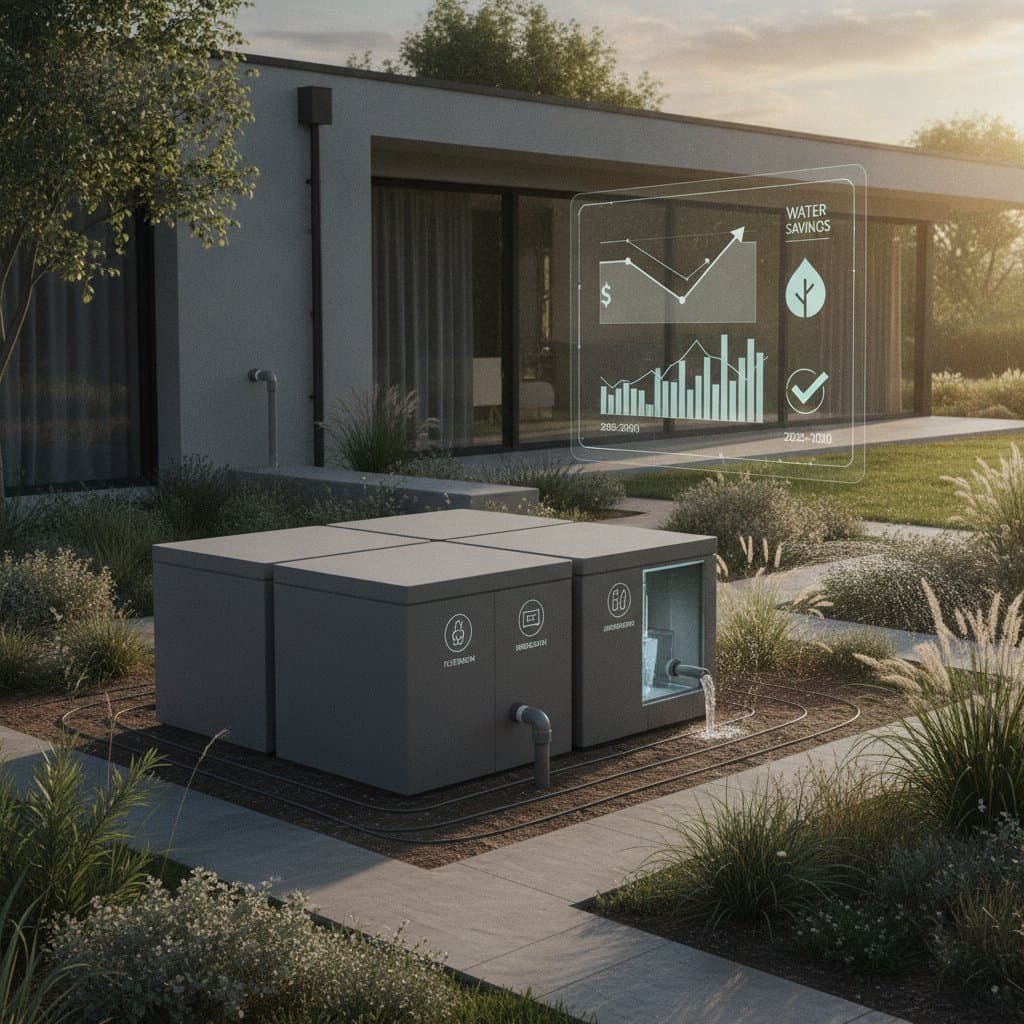
Greywater systems distinguish between reusable greywater and hazardous blackwater from toilets. The process involves filtering out contaminants like soaps, hair, and sediments to produce water suitable for landscape or indoor applications. Standard components ensure safe operation and compliance with health standards.
Key elements include:
- Collection Network: Dedicated pipes channel water from showers, bathtubs, bathroom sinks, and laundry appliances.
- Filtration Assembly: Initial screens remove large particles, followed by finer filters or biological treatments to eliminate residues.
- Distribution Mechanism: Gravity-fed lines or electric pumps deliver treated water to targeted areas, such as drip irrigation zones or low-flow fixtures.
Basic configurations focus on outdoor reuse, while comprehensive setups handle multiple inputs for broader application. Installation demands attention to prevent any mixing with potable water lines, adhering strictly to plumbing codes.
Investment Breakdown for 2026 Installations
Costs for greywater systems in 2026 depend on household scale, existing infrastructure, and chosen technology. Entry-level laundry diversion systems range from $500 to $1,500, suitable for modest properties. Full-home systems, processing water from various fixtures, typically fall between $3,000 and $10,000, including advanced treatment options.
Influencing factors encompass:
- Design Complexity: Surface-level piping proves more affordable than buried reservoirs or complex routing.
- Treatment Intensity: Simple sediment filters cost under $200, whereas multi-stage units with ultraviolet disinfection exceed $1,000.
- Installation Expertise: Professional services, essential for code adherence, add $1,000 to $3,000 based on project scope.
- Regulatory Overhead: Permit fees and inspections contribute $200 to $800, varying by jurisdiction.
In high-cost water districts, payback periods shorten to three to five years through bill reductions of 20 to 40 percent. Homeowners in drought-prone regions often recover investments faster due to usage caps and escalating rates.
Navigating Permits and Regulatory Compliance
Local authorities govern greywater installations to safeguard public health and water quality. Certain municipalities permit small-scale systems without formal approval if they adhere to predefined criteria, such as limited flow volumes. Larger or indoor-connected setups necessitate detailed plans, engineering reviews, and on-site verifications.
Essential compliance measures involve:
- Backflow prevention devices to isolate recycled water from drinking supplies.
- Clear labeling of all greywater lines and access points for maintenance and inspection.
- Use of corrosion-resistant materials designed for wastewater contact.
Engage a licensed plumber or certified water management specialist early in the process. These professionals navigate paperwork, coordinate with inspectors, and ensure the system aligns with evolving 2026 standards, minimizing delays and rework.
Advantages Extending Past Financial Gains
Greywater adoption yields multifaceted returns for homeowners. Reduced demand on public utilities eases community-wide pressure during shortages. Treated water nourishes landscapes with minimal supplemental irrigation, fostering healthier soil microbiomes and cutting fertilizer needs.
During water emergencies, these systems maintain essential functions like flushing and plant care. Market analyses indicate eco-upgrades boost resale values by 5 to 10 percent, appealing to environmentally conscious buyers. Forum discussions among users highlight satisfaction with systems that halve outdoor water consumption while requiring minimal daily oversight.
Strategies for System Longevity and Performance
Sustained reliability hinges on proactive upkeep. Schedule monthly filter cleaning to prevent clogs, and perform seasonal line flushes to clear accumulations. Annual pump inspections detect wear, with replacements ensuring uninterrupted flow.
Maintain a usage journal to monitor efficiency and spot issues early; integrate smart sensors for automated alerts if budget allows. Select systems endorsed by regional environmental bodies for superior durability and potential incentives like tax credits or rebates.
Integrating Greywater for Sustainable Homeownership
Adopting a greywater system positions households for fiscal prudence and ecological stewardship. Secure permits, enlist expert installers, and commit to routine maintenance to unlock its full potential. This approach not only trims ongoing expenses but also cultivates vibrant gardens and fortifies property resilience against future constraints.