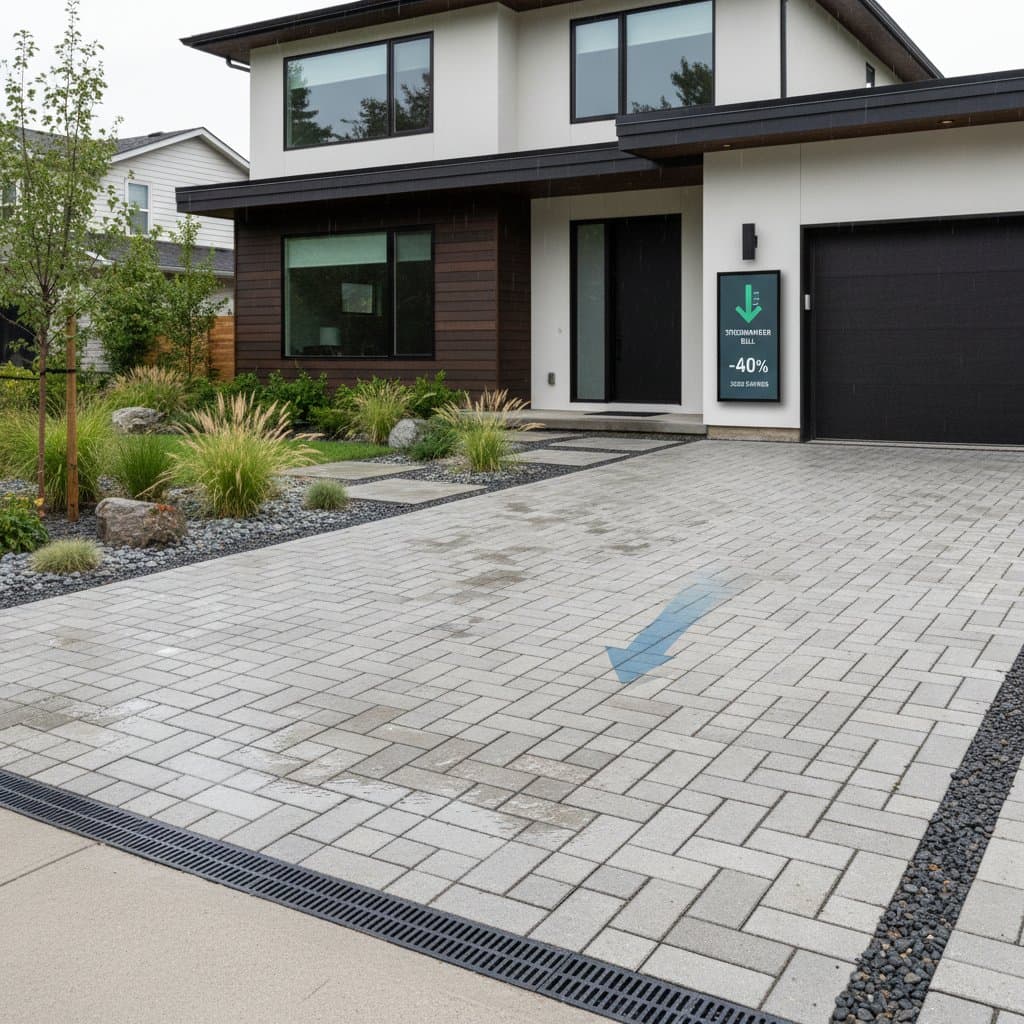
2026 Permeable Driveway Costs: Stormwater Savings Revealed
Permeable driveways attract homeowners seeking cleaner landscapes and reduced stormwater charges. These installations feature specialized surfaces that allow rainwater to infiltrate the soil instead of flowing into municipal systems. The outcome includes an attractive, durable driveway that supports daily traffic while safeguarding local waterways. Homeowners frequently inquire about projected expenses and potential reductions in runoff-related fees. This guide details installation costs, advantages, and material options, demonstrating how permeable paving yields financial and practical returns.
Average Cost of Permeable Driveways
Permeable driveways require higher initial investment compared to conventional asphalt or concrete, yet they offer savings via decreased upkeep and stormwater assessments. Primary expenses stem from material selection, site groundwork, and regional soil characteristics.
Estimated Price by Material
| Material Type | Estimated Cost per Square Foot | Typical Lifespan | Maintenance Level |
|---|---|---|---|
| Gravel with Grid Base | $6 to $10 | 15 to 20 years | Low |
| Permeable Pavers | $9 to $18 | 25 to 40 years | Moderate |
| Porous Asphalt | $8 to $15 | 20 to 30 years | Moderate |
| Permeable Concrete | $10 to $20 | 25 to 35 years | Low to Moderate |
Suggested chart image: “Permeable Driveway Cost Comparison Chart” with alt text “Bar chart comparing material costs and lifespans for permeable driveway options.”
Comparing Traditional and Permeable Surfaces
Conventional driveways, such as asphalt or solid concrete, repel water, leading to surface cracks, soil erosion, and standing pools over time. Permeable alternatives facilitate natural water absorption and maintain lower temperatures in warm weather as moisture evaporates from the surface.
Key Differences
| Feature | Traditional Surface | Permeable Surface |
|---|---|---|
| Water Runoff | High | Minimal |
| Maintenance | Crack sealing and repaving | Vacuuming or light cleaning |
| Heat Retention | High | Lower |
| Lifespan | 15 to 25 years | 25 to 40 years |
| Environmental Value | Low | High |
Suggested image: “Traditional vs Permeable Driveway” with alt text “Side-by-side photo of a standard concrete driveway and a permeable paver surface after rainfall.”
Environmental and Lifestyle Benefits
Permeable driveways excel in enhancing water purity and daily living conditions. Infiltrating rainwater naturally filters contaminants like oils and sediments before they reach aquifers. This filtration process preserves the integrity of adjacent water bodies, such as streams and reservoirs.
Everyday Benefits
- Reduced flooding: Water absorbs on-site, eliminating pools and slippery ice buildup.
- Cooler surface: Decreased heat absorption reduces glare and lowers temperatures adjacent to living spaces.
- Less erosion: Soil stability around plantings and paths remains intact.
- Improved curb appeal: Diverse paver designs and hues complement various architectural styles, from countryside retreats to city dwellings.
Property owners note that landscapes remain drier and tidier, with diminished moisture accumulation against building foundations.
Expert Tips for a Smooth Installation
Industry specialists emphasize thorough preparation to sidestep typical pitfalls and guarantee optimal functionality. Advance planning ensures the driveway withstands environmental demands effectively.
- Test the soil infiltration rate to verify adequate drainage capacity.
- Design the base depth according to regional precipitation patterns and subsurface composition, avoiding one-size-fits-all specifications.
- Use clean angular stone in foundational layers to promote uniform water movement.
- Include overflow routes for intense downpours, like gentle channels or perimeter drains.
- Work with certified installers experienced in permeable systems to achieve reliable results.
Such precautions minimize risks including irregular subsidence or pooled water, which arise from inadequate execution.
Common Questions from Homeowners
Do permeable driveways freeze faster?
No. Water passes through the surface rather than pooling, resulting in reduced ice accumulation. Employing a shovel with a plastic edge for snow clearance preserves the material integrity.
Can heavy vehicles use permeable driveways?
Yes. A robust substructure accommodates automobiles, light trucks, and recreational vehicles. Success depends on precise layer compaction and interlocking aggregate selection.
Is it suitable for all climates?
Permeable paving adapts to diverse conditions, including regions with repeated freezing and thawing. Essential drainage beneath the surface counters frost expansion effectively.
How often must it be cleaned?
Annual maintenance suffices in most cases, involving gentle vacuuming or brushing to clear debris. Locations under dense foliage might necessitate quarterly attention.
Does it require special permits?
Certain jurisdictions mandate drainage assessments or approvals for expansive projects. Consultation with municipal offices prior to commencement prevents interruptions or penalties.
Financial Incentives and Local Programs
Numerous municipalities encourage permeable installations through supportive initiatives. Available aids encompass:
- Rebate programs targeting eco-infrastructure upgrades.
- Tax credits for runoff mitigation efforts.
- Grant funding supporting eco-conscious yard enhancements.
Individuals should contact stormwater or conservation agencies to identify active offerings. Pairing these incentives with ongoing fee reductions often renders permeable options economically viable alongside conventional choices.
Building Long-Term Value
Permeable driveways elevate real estate worth by optimizing water flow and aesthetics. Appraisers frequently underscore these attributes as sustainable, hassle-free elements that draw prospective purchasers. In communities prioritizing flood control, such features distinguish listings prominently.
Properly executed setups also safeguard surrounding greenery. Plantings thrive without disruption, structural bases avoid dampness, and outdoor areas prove more accessible post-rainfall. Collectively, these elements foster enduring home enjoyment and resilience.
Your Next Steps
Evaluate your property's drainage needs and consult local experts for a customized assessment. Explore material samples to align with your aesthetic preferences. Initiate the process by reviewing municipal incentives to maximize savings on your permeable driveway project.