Recycle Home Water: 2026 Greywater Costs Uncovered
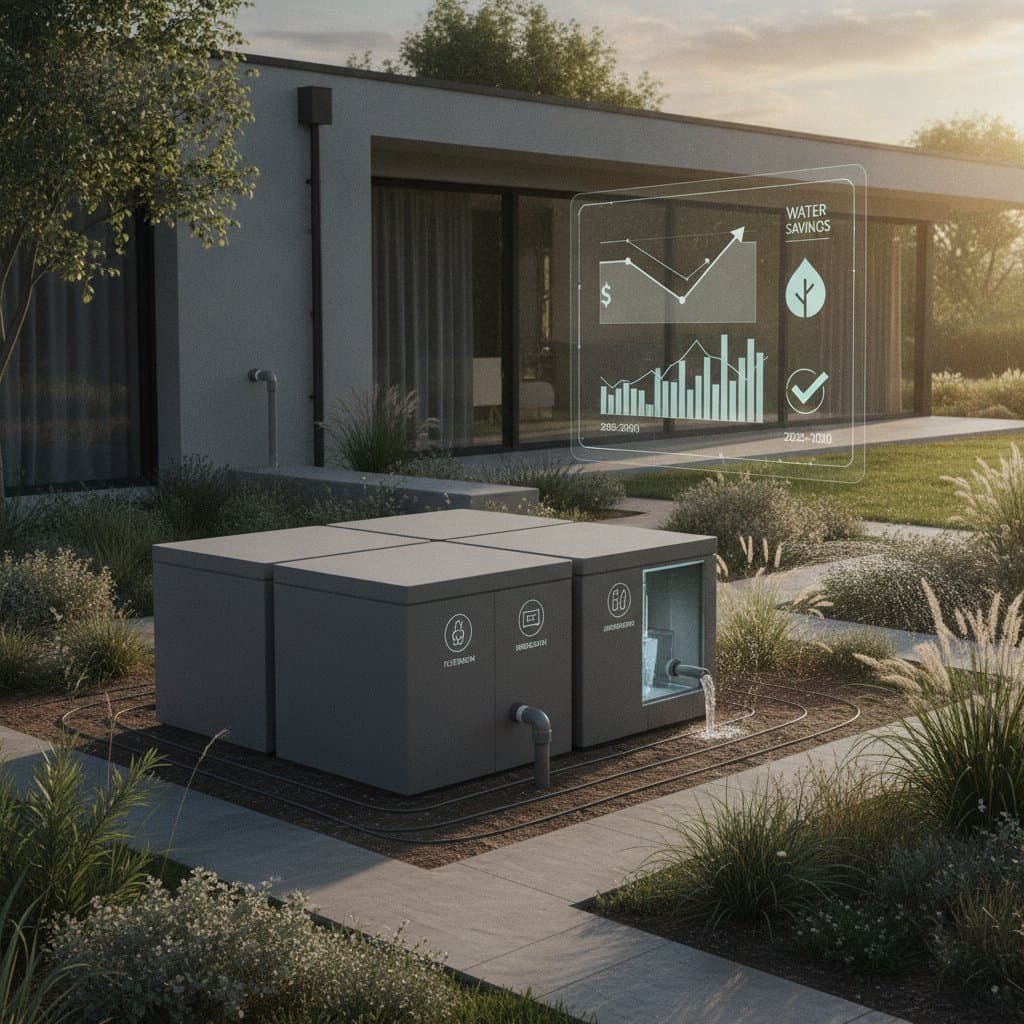
Recycling home water has evolved beyond niche eco-practices into a mainstream strategy for conservation. Greywater systems capture and repurpose wastewater from sources like showers, sinks, and washing machines for uses such as garden irrigation or toilet flushing. These setups reduce utility expenses and ease pressure on public water resources. Homeowners face a fundamental choice: undertake installation independently or engage certified experts. Grasping the elements that shape greywater system costs empowers informed decisions.
Understanding Greywater System Costs
Costs for greywater systems fluctuate based on scale, sophistication, and setup approach. Options span from rudimentary gravity-based configurations to sophisticated automated units that purify and route water across the property.
DIY Greywater System Costs
Individuals can assemble a DIY greywater system for under $500 using straightforward gravity-fed designs, assuming access to essential tools. Key expenditures encompass:
- Pipes and fittings: $50 to $150
- Valves and filters: $75 to $200
- Storage tanks or barrels: $100 to $300 for capacities up to 100 gallons
- Miscellaneous supplies: $50 to $100 for sealants, clamps, and connectors
Such systems suit basic garden watering, where minimal filtration suffices. Total expenses remain below $800 for those with plumbing experience. Compliance with local codes and hygiene protocols remains essential to prevent health risks.
Professional Greywater System Costs
Professionally installed systems range from $2,000 to $10,000, with advanced models featuring treatment and automation exceeding $15,000. Breakdown includes:
- Labor: 30% to 60% of total, varying by project intricacy
- Materials: Tanks, pumps, filters, and control units
- Permits and inspections: $200 to $1,000
- Design and consultation: $300 to $800
These installations ensure adherence to safety standards and support diverse applications, including indoor reuse after proper processing.
Factors That Affect Pricing
Multiple variables determine greywater system costs:
- System complexity: Gravity models cost less than those with pumps or advanced filtration.
- Water volume: Homes generating high greywater volumes require larger storage and distribution components.
- Soil and landscape: Challenging sites, such as steep slopes or dense clay soils, elevate excavation and piping demands.
- Local regulations: Jurisdictions may mandate permits, backflow safeguards, or certified installers.
- Retrofitting: Integrating into established structures proves more expensive than new builds.
When DIY Saves Money and When It Does Not
DIY approaches yield substantial upfront savings, yet errors can incur hidden expenses through repairs or fines. Professional options, though pricier initially, provide enduring efficiency and resilience. For long-term residents, expert installation often yields superior returns via reduced maintenance and optimized performance.
DIY vs Professional: Making the Right Choice
Each method offers distinct merits, hinging on individual expertise, financial constraints, and objectives.
Benefits of DIY Greywater Systems
- Reduced startup expenses and design adaptability
- Hands-on learning in sustainable practices
- Scalable modifications as needs change
Drawbacks of DIY Systems
- Potential for inadequate treatment leading to contamination
- Constraints on handling water from multiple sources
- Ongoing upkeep, such as filter servicing and tank inspections
Benefits of Professional Installation
- Assurance of regulatory compliance and safety
- Customized engineering aligned with existing infrastructure
- Manufacturer warranties and technical assistance
Drawbacks of Professional Systems
- Elevated initial investment
- Potential delays from permitting and coordination
Tools and Skills Needed for DIY
Essential equipment includes PVC pipe cutters, adjustable wrenches, pipe sealant, and a level. Proficiency in basic plumbing, along with knowledge of diversion techniques, proves vital. Consult municipal guidelines to safeguard against cross-contamination with fresh water supplies.
Safety and Time Considerations
DIY efforts span multiple weekends, contingent on system scope. Professionals complete most projects in two to five days. Prioritize isolation of greywater lines with diverter valves and backflow preventers to eliminate health hazards.
Your Greywater Questions, Answered
Industry specialists address frequent inquiries.
What is included in a typical greywater system?
Components comprise collection piping, sediment filters, holding tanks, distribution pumps, and outlet lines for irrigation or fixtures.
How often does a system need maintenance?
Perform monthly filter rinses and biannual tank flushes to avert blockages and bacterial buildup.
Does greywater smell?
Well-maintained systems with aeration remain odor-free. Unpleasant scents signal neglect or stagnation.
Can I use greywater indoors?
Treated greywater suits toilet flushing or laundry cycles via certified disinfection processes.
Are there restrictions on using greywater?
Outdoor applications for landscaping often face fewer barriers than indoor uses, which demand approvals and purification.
How long does installation take?
Expert setups require two to five days, influenced by access and scale.
What is the lifespan of a greywater system?
Expect 10 to 20 years with diligent care; replace pumps and filters every three to five years.
How much can I save on water bills?
Anticipate 25% to 50% reductions, scaled to usage and system efficiency.
What are red flags when hiring a contractor?
Steer clear of those bypassing permits, lacking verifiable credentials, or quoting vague low figures.
How can I prepare for installation?
Secure plumbing access, select source fixtures, and verify code stipulations in advance.
How to Decide: Your Step-by-Step Guide
Step 1: Assess Your Situation
Quantify daily greywater output from high-yield areas like baths and laundry. Define intended applications, such as subsurface drip irrigation.
Step 2: Evaluate Your Skills
Gauge comfort with pipe assembly and electrical basics for DIY feasibility. Novices benefit from professional oversight.
Step 3: Calculate True Costs
Factor in acquisition, approvals, upkeep, and projected savings over five years for a comprehensive view.
Step 4: Consider the Risks
Weigh possibilities of leaks, fines, or ecosystem harm against benefits. Adhere strictly to sanitation norms.
Step 5: Make the Final Decision
Select based on fiscal limits, project duration, and maintenance tolerance.
Preparing for Your Greywater Project
Pro Tips for Success
- Select eco-friendly soaps to safeguard vegetation and groundwater.
- Mark all lines distinctly to avoid integration errors.
- Conduct quarterly checks for optimal operation.
Sustaining Long-Term Benefits
Regular vigilance preserves system efficacy, amplifying water savings and environmental contributions. Track usage metrics to refine performance, ensuring sustained reductions in household water demands.