Understanding Greywater Systems and Their Costs in 2026
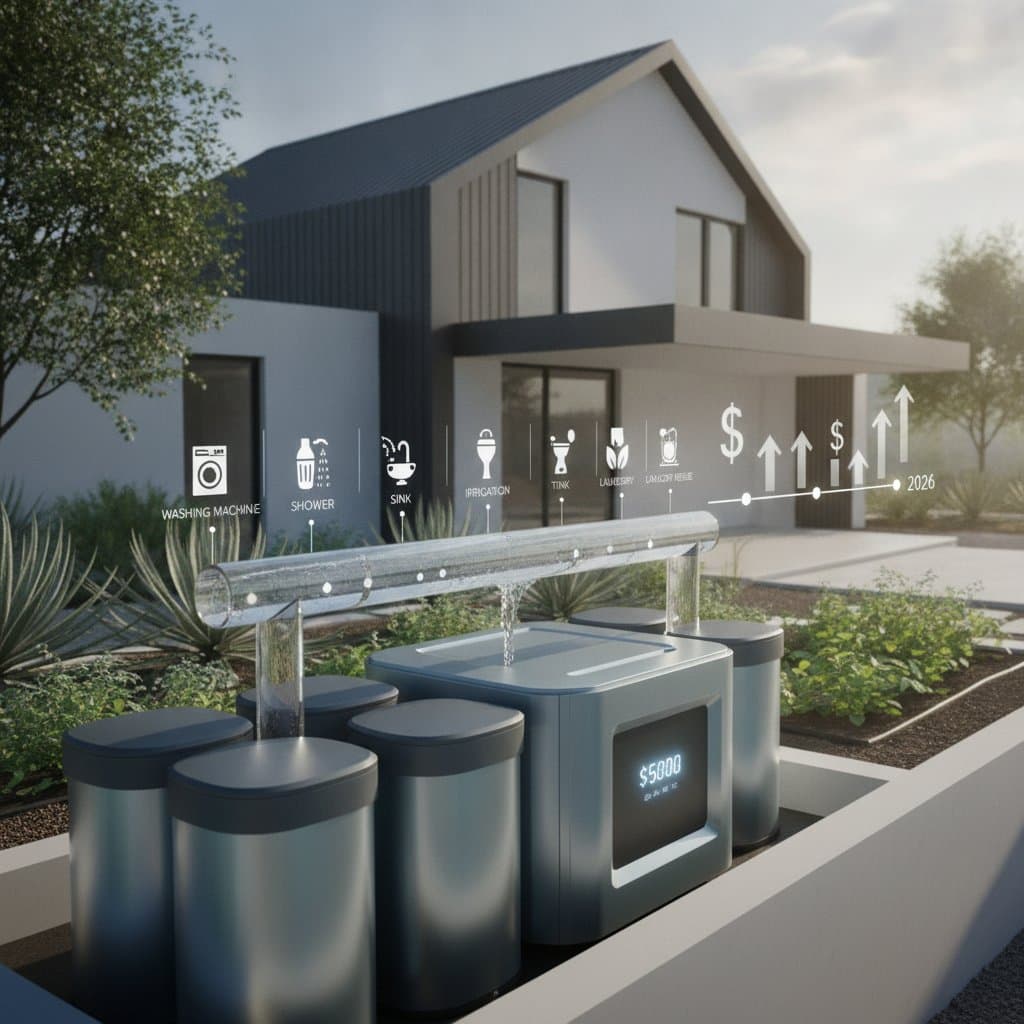
Greywater systems capture wastewater from sources such as showers, sinks, and laundry for reuse in irrigation or toilet flushing. These installations can reduce household water consumption by up to 50 percent, lower utility expenses, and support broader conservation efforts. As interest in sustainable home improvements grows, knowing the associated costs enables informed decisions that align with property needs and financial goals.
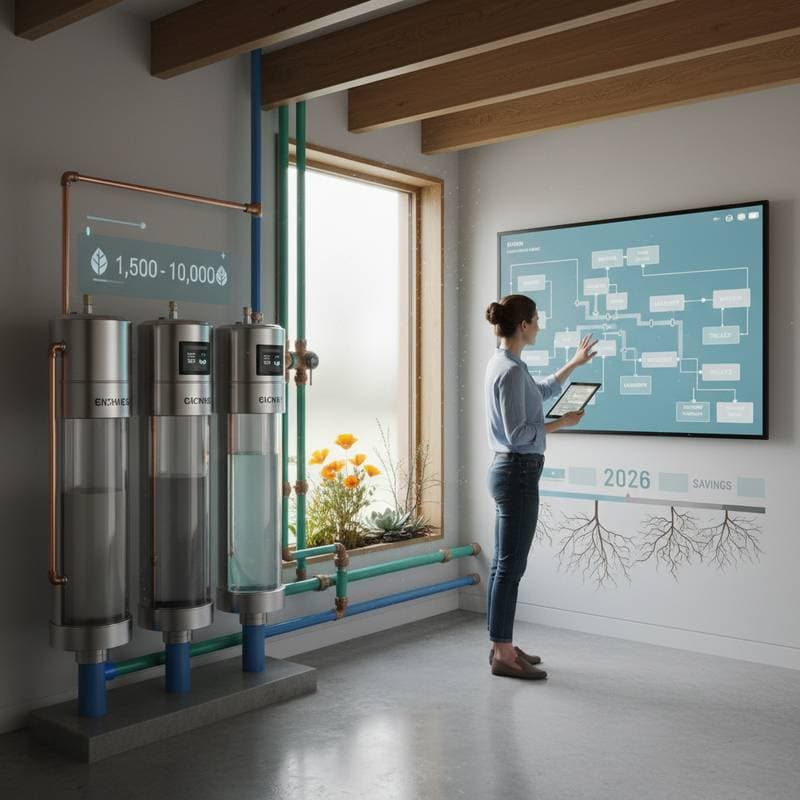
The overall expense varies based on system design, home size, and local conditions. Basic systems start at $1,500, while comprehensive setups exceed $10,000. Factors like regional regulations and material choices play key roles in determining the final investment.
Core Cost Components for Greywater Installations
Total costs encompass materials, labor, permits, and any necessary plumbing adjustments. Homeowners typically budget between $1,500 and $6,000 for standard systems, with premium options reaching $10,000 or higher. Smaller properties with minimal fixtures lean toward the lower range, whereas larger homes demand more extensive work.
National Averages and Benchmarks
Nationwide, a basic greywater diversion system averages $3,500, including essential components and installation. Mid-level setups with filtration and controls cost around $5,000. Advanced systems featuring automation and storage often surpass $9,000, covering full integration and professional oversight.
Regional Differences in Pricing
Prices fluctuate by location due to labor rates, water needs, and code requirements. In water-scarce areas, demand may elevate costs, though rebates can offset expenses. Humid or coastal regions see averages 10 to 15 percent below national figures, while urban settings incur higher labor fees and rural sites face added transport charges.
Influences from Seasons and Economy
Demand peaks in spring and summer, potentially increasing labor rates by 10 to 20 percent. Off-peak scheduling often yields discounts as contractors manage workloads. Broader economic trends, including material inflation and fuel prices, also impact totals, balanced by utility rebates that reduce effective costs.
Common Pricing Approaches
Installers employ varied models to suit project scales, aiding homeowners in obtaining comparable estimates.
Hourly Billing Compared to Fixed Quotes
Hourly charges, ranging from $75 to $150 per hour, apply to custom or minor modifications. Fixed fees, preferred for routine jobs, span $2,000 to $5,000 and provide cost certainty. Select the model that matches project predictability to minimize surprises.
Fixture- or Zone-Based Models
Pricing per connected fixture or area suits multi-source systems; a single bathroom line might cost $1,200, escalating to $6,000 for full laundry and bath integration. Comprehensive project bids bundle design, materials, and inspections for transparency.
Packaged Options for Simplified Budgeting
Providers frequently bundle tanks, filters, and valves into packages that save 5 to 10 percent over separate purchases. Basic packages handle simple diversions, while premium ones incorporate automation and backups. Review inclusions to ensure alignment with needs.
Maintenance Plans Alongside Initial Costs
Annual subscriptions for inspections and part replacements run $200 to $400, promoting efficiency. Opting out risks elevated repair expenses; evaluate plans based on system complexity to extend operational life.
System Tiers and Corresponding Expenses
Tiers cater to diverse budgets and requirements, from essential to customized solutions.
Entry-Level Systems
These collect from one source, like a washing machine, for basic irrigation at $1,000 to $2,500. Minimal alterations make them accessible, delivering quick savings with manual operation.
Mid-Range Professional Installs
Incorporating multiple sources, basic automation, and tanks, these cost $3,000 to $6,000. Suitable for average homes, they reduce manual intervention while enhancing reuse versatility.
High-End Comprehensive Options
Full automation, advanced filtration, and dual-use capabilities (irrigation and flushing) range from $7,000 to $10,000. Sensors optimize flow, ideal for expansive properties pursuing maximum recycling.
Custom Solutions for Unique Needs
Tailored for commercial or remote sites, these exceed $15,000 with features like UV treatment and hybrid harvesting. Engineering and compliance drive the premium, ensuring durability in demanding environments.
Factors Shaping Individual Project Costs
Unique site conditions dictate expenses; anticipate these when reviewing bids.
Project Scale and Fixtures
More connections mean higher material and labor needs; start with usage audits to scale appropriately.
Installation Challenges
Retrofitting older structures or intricate layouts can double efforts, favoring experienced contractors for efficiency.
Timeline Demands
Simple jobs finish in days, but complex ones extend to weeks, incorporating delays from inspections or weather.
Material Selections
Durable options like stainless steel elevate prices over standard PVC, yet yield lower upkeep through superior performance.
Optional Enhancements and Fees
Enhancements boost functionality but add to budgets; prioritize based on reuse goals.
Advanced Filtration
Multi-stage units, essential for indoor applications, cost $300 to $800 extra for improved quality.
Tank Additions
Storage capacities from $500 to $2,000 accommodate variable supply, with subsurface models requiring site prep.
Irrigation Connections
Automation links add $400 to $1,000, streamlining distribution for consistent landscape care.
Rush Scheduling
Priority service premiums of 10 to 20 percent suit time-sensitive renovations.
Weighing DIY Against Professional Approaches
DIY kits under $300 offer entry points for basic diversions but overlook safety and compliance. Professionals guarantee code adherence, contamination prevention, and warranty support. Consider expertise needs; professional routes safeguard investments despite higher upfront costs.
Annual Upkeep Expenses
Regular filter cleans and component checks average $100 to $300 yearly. Complex systems may require $500 in servicing to avert issues like blockages. Structured plans mitigate risks, prolonging system efficacy.
Available Financial Incentives
Rebates from $200 to $1,000 apply in many areas, tied to capacity and conservation priorities. Pairing with other efficiencies amplifies benefits; verify local programs to shorten ROI timelines.
Selecting Reliable Professionals
Prioritize licensed installers with insurance and code familiarity; request portfolios and endorsements. Affiliations with groups like Greywater Action enhance credibility for seamless execution.
Balancing Expenses with Benefits
Assess savings potential: basic units recoup via bills in years, advanced ones via efficiency. Mid-tier often optimizes value for typical households.
Steps for Your Greywater Project
Begin by mapping water flows and goals, then solicit detailed quotes from vetted experts. Factor incentives and maintenance to project true value. This approach secures a reliable system that cuts costs, conserves resources, and elevates home sustainability.