Understanding Greywater Systems in 2026: Costs, Permits, and Benefits
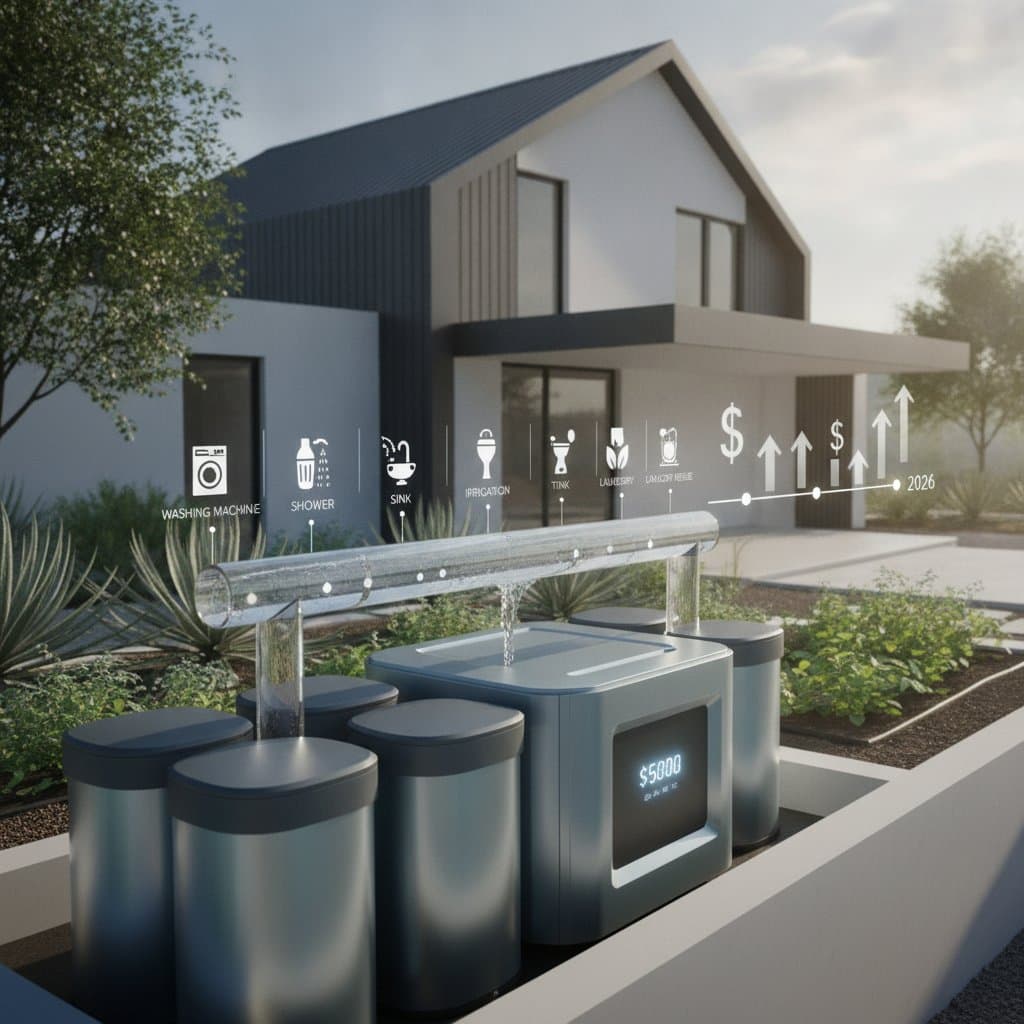
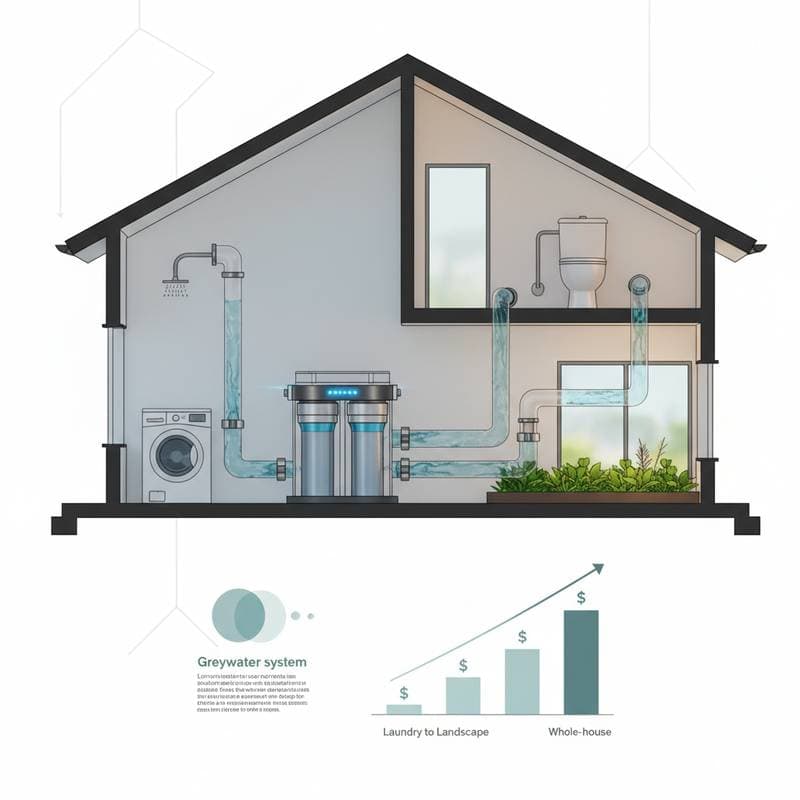
Greywater systems capture and repurpose water from household sources such as sinks, showers, and washing machines for non-potable uses like garden irrigation or toilet flushing. These installations promote sustainability by easing pressure on freshwater supplies and lowering utility expenses. Homeowners benefit from informed planning that accounts for installation expenses, regulatory hurdles, and long-term financial returns.
Pricing Models for Greywater Installations
Installers present costs through distinct models to suit different project scales. Homeowners gain clarity by evaluating these approaches during quote comparisons.
Hourly Rates Compared to Flat Fees
Plumbing professionals with basic certifications charge hourly rates of 70 to 120 dollars for straightforward tasks. Larger projects shift to flat fees, which encompass initial assessments, system design, required materials, and on-site labor. This method provides budget predictability for comprehensive setups.
Fixture-Based or Project-Specific Pricing
Pricing often ties to the fixtures integrated into the system. A basic diversion from one laundry outlet ranges from 800 to 1,500 dollars. Expanding to multiple bathroom or kitchen connections scales expenses accordingly, while full-home configurations begin at 4,000 dollars as unified projects.
Package Deals for Complete Systems
Providers frequently bundle components like filters, tanks, and irrigation connectors into ready-to-install packages. These options streamline procurement and include basic warranties. A standard mid-level package totals around 3,500 dollars, incorporating all hardware and installation services.
Maintenance Subscriptions Alongside Initial Costs
Greywater projects primarily involve one-time fees, yet ongoing support plans exist for upkeep. Such subscriptions cover yearly checks, filter changes, and system cleanings at 100 to 300 dollars annually, scaled to the service level.
Factors That Shape Greywater System Expenses
Multiple elements determine the final price tag for a greywater installation. Anticipating these allows homeowners to refine estimates and allocate funds effectively.
- Project Scale: A single-line laundry connection incurs lower costs than a multi-zone whole-home network with extensive piping.
- Technical Demands and Expertise: Projects involving digging, wiring, or bespoke routing require advanced skills, elevating labor charges.
- Installation Duration: Basic systems complete in hours, whereas detailed designs span days, with time directly impacting fees.
- Component Quality and Quantity: Essential items such as pumps, filtration units, and reservoirs contribute variably; premium selections endure longer yet increase initial outlays.
Optional Enhancements and Extra Fees
Homeowners select add-ons to optimize efficiency or integrate seamlessly with existing setups. These choices boost performance and justify added investments through extended reliability.
Advanced Filtration Options
Upgrading to superior filters or ultraviolet treatment units runs 150 to 500 dollars. Such enhancements purify output water and minimize routine servicing, proving valuable for indoor reuse applications.
Reservoir Additions
Incorporating a holding tank ensures availability during irregular usage. Costs for tanks fall between 600 and 1,200 dollars, influenced by size and construction; buried options demand extra earthwork, raising prices.
Automated Irrigation Connections
Pairing with smart watering systems adds user-friendly automation. Fees range from 400 to 900 dollars, based on zone count and controller sophistication.
Rush or Off-Hours Scheduling
Contractors apply surcharges of 10 to 25 percent for accelerated timelines or non-standard hours. This premium accommodates urgent needs without compromising quality.
Navigating Permits and Regulatory Expenses
Local governments mandate approvals for greywater projects to safeguard public health. Fees span 100 to 500 dollars, varying by jurisdiction and system complexity. Applicants provide detailed schematics and verify adherence to sanitation standards; certified experts handle filings and oversight to streamline approval.
Certain areas offer incentives like rebates or credits for conservation efforts. Homeowners inquire with utility districts or environmental agencies to assess qualification and claim potential offsets.
Calculating Savings and Investment Recovery
Greywater adoption yields tangible reductions in water consumption. Households redirecting flows for outdoor and flushing needs cut bills by 25 to 40 percent, contingent on occupancy and local rates. Systems recoup costs in five to eight years on average, though timelines adjust with regional factors and habits.
Research indicates annual conservation of 15,000 gallons per residence through irrigation applications. In water-scarce zones, these efficiencies curb expenses and lessen ecological footprints.
Plumbing engineer Sarah Linton of EcoFlow Systems notes, “Greywater reuse is one of the most direct ways homeowners can reduce both water waste and utility costs without sacrificing comfort.” This perspective underscores the dual advantages fueling system popularity.
Selecting a Reliable Installation Professional
A competent installer guarantees code compliance and operational longevity. Prioritize those certified in eco-plumbing or reuse technologies, and request client testimonials along with warranty details for workmanship and parts. Multiple bids reveal competitive rates and defined project outlines.
Examine upkeep protocols prior to agreements. Certain designs call for quarterly manual cleanings, others annual expert visits.
Steps to Implement Your Greywater Solution
A greywater installation balances economic and ecological priorities. Initial expenditures yield ongoing bill reductions and lighter loads on public infrastructure, appealing to forward-thinking households. Assess site conditions, regulatory frameworks, and financial limits upfront. Engage a qualified plumber or green specialist for tailored recommendations on viable configurations and precise budgeting.
These systems advance personal water stewardship. With grasp of cost frameworks, approvals, and returns, homeowners proceed assuredly toward fiscal and planetary gains.