Greywater Installation in 2026: Costs, Permits, and Planning Essentials
Greywater systems offer homeowners a reliable method to lower water bills and repurpose household wastewater. These systems collect water from sources like showers, washing machines, and sinks, then treat and redirect it for uses such as landscape irrigation or toilet flushing. Proper installation demands thorough planning, knowledge of local regulations, and a clear assessment of expenses.
This guide examines the financial and regulatory elements of greywater systems. It details cost basics, pricing approaches, service levels, and factors that influence overall expenses.
Core Costs of Greywater Systems
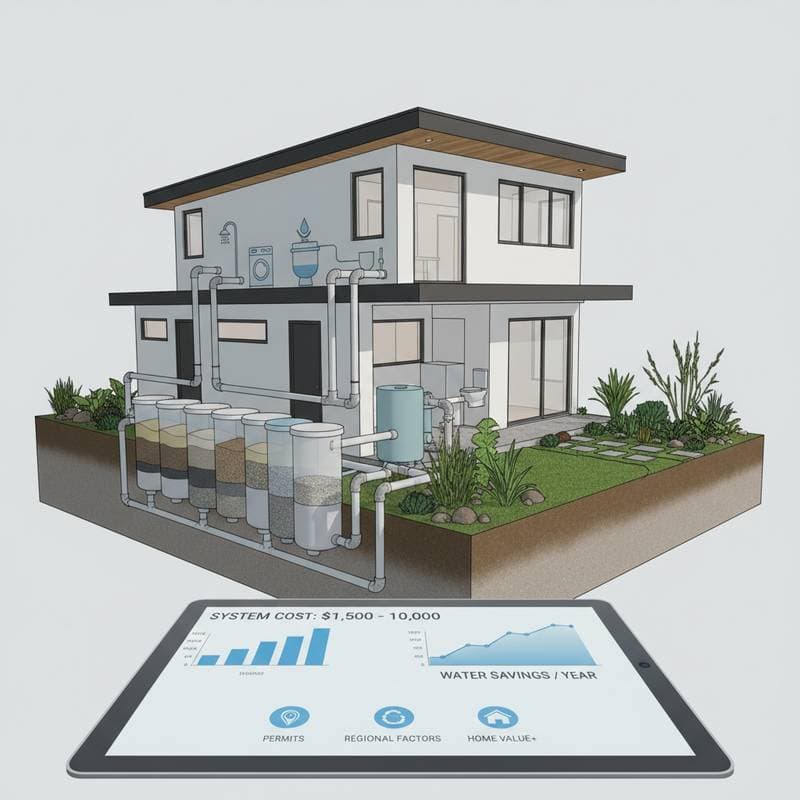
Greywater installation encompasses equipment, labor, and modifications. The national average for a residential system ranges from 1,500 to 6,000 dollars. Basic gravity-based setups fall at the lower end, whereas automated whole-home versions with advanced filtration and storage surpass 10,000 dollars.
National Cost Benchmarks
In typical residential areas, a mid-range system averages 4,000 dollars. This figure covers materials, plumbing adjustments, and professional installation. For commercial or multifamily properties, costs per unit range from 2,000 to 3,000 dollars when implemented building-wide.
Variations by Region
Local building codes, water rates, and contractor availability drive price differences. In drought-prone areas like the southwestern United States, high demand elevates costs by 10 to 20 percent. Regions with abundant rainfall or low water expenses see reduced pricing due to limited specialized contractors.
Influences from Seasons and Cycles
Demand surges in dry seasons amid water restrictions, prompting contractors to increase rates modestly. Scheduling during off-peak times often yields discounts. Supply chain issues, including prices for PVC pipes and filters, cause yearly fluctuations.
Economic Drivers of Expenses
Rising material costs, energy prices, and labor supply impact totals. Increases in copper or plastic prices raise plumbing expenses. Shortages of licensed plumbers who specialize in greywater work push hourly rates higher.
Pricing Approaches for Installation
Greywater services employ various pricing methods based on project scale and contractor preferences.
Hourly Billing Compared to Flat Rates
Plumbers may bill hourly at 75 to 150 dollars, varying by expertise and credentials. Flat fees prevail for smaller projects, such as washing machine diversions, offering budget certainty. Hourly options suit intricate installations requiring adjustments.
Project or Unit-Based Quotes
For new builds or expansive sites, contractors provide project-wide estimates. A complete home system includes all materials, permits, and labor in one quote. This approach functions well with predefined designs and site assessments.
Bundled Package Options
Providers frequently bundle design, installation, and inspection services. Basic packages feature simple laundry-to-landscape setups with basic filtration. Premium options encompass multi-zone irrigation, storage tanks, and automated controls.
Ongoing versus Initial Expenses
Maintenance subscriptions, though uncommon, cost 100 to 300 dollars per year for filter and pump upkeep, including checks and small fixes. Most projects involve one-time payments, but regular maintenance sustains efficiency and regulatory adherence.
Service Levels and Their Costs
Greywater options span tiers defined by complexity, technology, and scope.
Entry-Level Systems and Pricing
Redirecting washing machine water to irrigation costs 1,000 to 2,500 dollars. These gravity-reliant designs use diverter valves and basic filtration, ideal for modest homes aiming to cut outdoor water use with few plumbing alterations.
Mid-Range Professional Installations
Systems at 3,000 to 6,000 dollars collect from showers and sinks, incorporating filters and pumps. Homeowners favor these for dependable, hands-free irrigation across multiple sources.
Advanced Comprehensive Options
Installations from 7,000 to 12,000 dollars feature filtration tanks, automated pumps, and zoned irrigation. Integration with smart home apps enables water usage tracking. Professional engineering ensures optimal performance.
Custom Tailored Solutions
Bespoke systems for estates, businesses, or green-certified sites exceed 15,000 dollars. Expenses climb with custom engineering, large tanks, and rigorous inspections to achieve sustainability standards.
Factors Shaping Greywater Expenses
Key elements determine the final price, aiding informed quote comparisons.
Project Scale and Coverage
Homes with several bathrooms need extensive piping and treatment. Apartments require single-point diversions, while multi-level houses demand central collection with pumps and lines.
Installation Complexity and Expertise
Retrofitting aged plumbing or navigating tight spaces requires advanced skills, increasing fees. Structural changes, like wall openings, further elevate professional charges.
Duration of Work
Basic diversions complete in one day, but full systems with filtration may span a week. Extended labor hours raise costs, particularly in hourly agreements.
Required Materials and Tools
Projects demand pipes, valves, filters, pumps, and tanks. Durable options like stainless steel or UV filters enhance longevity at a higher price.
Optional Enhancements and Fees
Contractors offer add-ons to improve functionality and safety.
Filtration Add-On Costs
Units priced at 300 to 800 dollars vary by size and technology. They refine water for safer use on plants, reducing contamination risks.
Tank Expenses for Storage
Tanks for flushing or indoor reuse cost 500 to 2,000 dollars. Burying them incurs additional digging fees.
Automation System Pricing
Smart controls for timing and monitoring add 400 to 1,200 dollars. They provide ease and precise water management.
Rush Service Premiums
Priority scheduling adds 10 to 20 percent to cover overtime or rescheduling.
Navigating Permits and Regulations
Local rules govern greywater to safeguard health and water quality.
Standard Permit Processes
Health departments mandate plumbing permits for drain connections. Simple gravity diversions may bypass permits if guidelines like no storage are followed. Pressurized or stored systems demand full reviews.
Fees for Inspections and Tests
Verifications cost 100 to 300 dollars to confirm code compliance. Some areas bundle this with permits; others bill separately.
Variations Across Regions
Dry areas streamline processes with clear rules. Wetter or strict-code zones require engineering plans and backflow safeguards. Local expert plumbers expedite approvals.
Importance of Certifications
Professionals carry plumbing or environmental credentials; some states add greywater specialties. Certified installers ensure compliance and minimize future repairs.
Strategies to Lower Costs
Homeowners can trim expenses while upholding standards.
- Integrate during new builds to avoid retrofit premiums.
- Select gravity systems for simplicity and low upkeep.
- Source materials nearby to reduce shipping.
- Obtain quotes from three licensed contractors for competitive rates.
Water Efficiency Council data shows construction-phase integrations save 30 percent over retrofits.
Sustaining Value Over Time
Regular upkeep prolongs system life and savings. Clean filters quarterly and inspect pumps yearly. Prompt valve or hose replacements avert leaks and landscape harm.
Systems recoup costs in five to eight years via bill reductions. Eco-friendly homes attract buyers, with real estate data indicating 3 to 5 percent value increases from water-efficient features.
Steps to Proceed with Installation
Greywater projects blend technical demands with environmental gains. Review local codes, secure itemized quotes covering materials, labor, and permits. Verify contractor references and qualifications to launch your sustainable upgrade confidently.