2026 Greywater Costs: Install Smart, Save Water Now
Recycling water at home extends beyond dedicated environmentalists. Greywater systems offer homeowners a practical method to lower utility bills, safeguard local water resources, and maintain vibrant landscapes amid droughts. Installation proves cost-effective when individuals understand expense breakdowns and long-term benefits. This guide details factors affecting greywater setup prices, available system varieties, and strategies for selecting an option aligned with property needs and financial plans.
Core Types of Greywater Systems
Various systems process greywater differently. Selection hinges on family routines, available space, and existing plumbing configurations.
Direct Diversion Systems
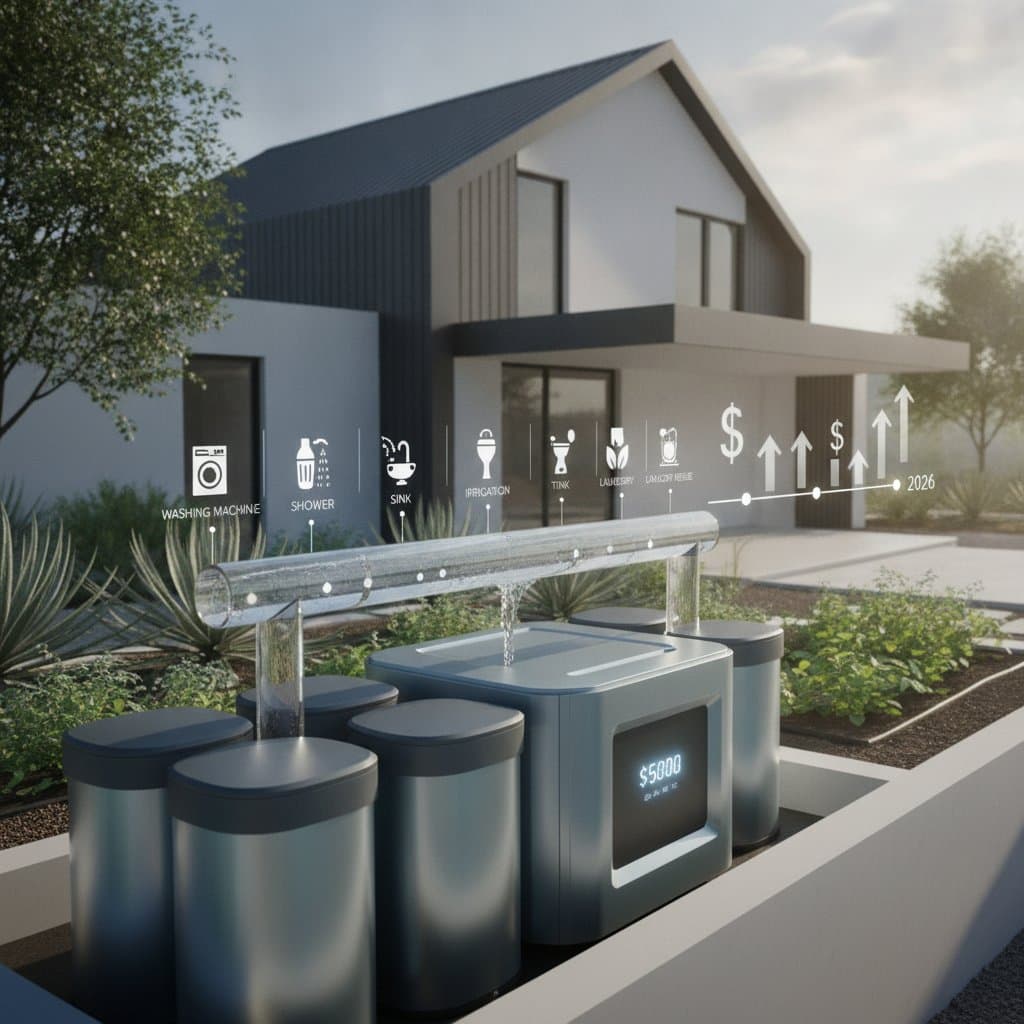
These basic configurations channel water from showers or laundry machines straight to outdoor irrigation without intermediate storage. Expenses remain modest, though functionality ties directly to indoor water usage patterns.
Typical cost range:
- Installation: $500 to $2,000, varying by yard dimensions and connection points
- Maintenance: Limited to periodic filter inspections and cleaning
Best for: Families with predictable laundry or bathing schedules and gardens requiring steady hydration.
Gravity-Fed Systems
Such setups utilize natural slopes and gravity to transport water from origins to application zones. Operational costs stay low due to the absence of mechanical pumps.
Pros: Minimal energy consumption and reduced mechanical components
Cons: Inapplicable to level terrain or elevated structures
Estimated cost: $1,000 to $3,000 for installation, with negligible ongoing expenses.
Pumped Systems
Pumps propel greywater to reservoirs or dispersal areas when natural flow proves insufficient. These suit compact urban properties with constrained outdoor areas.
Pros: Adaptable to diverse site layouts
Cons: Elevated electricity demands and servicing needs
Average cost: $2,500 to $5,000 initially, including pump and automation features.
Treatment and Storage Systems
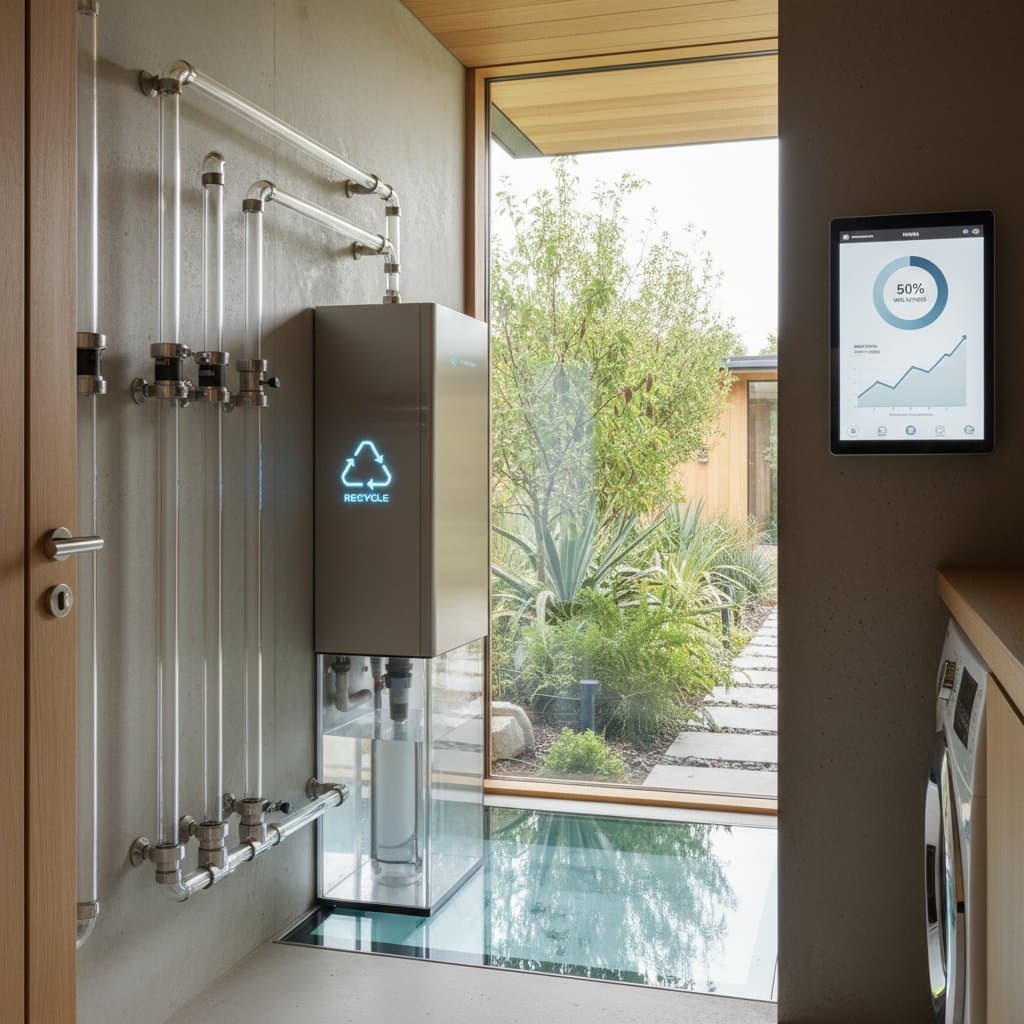
Advanced models purify, sanitize, and retain greywater for subsequent applications. They accommodate expansive households or facilities with fluctuating demands.
Pros: Reliable availability independent of usage timing
Cons: Substantial upfront and periodic expenses
Cost range: $4,000 to $10,000 for setup, plus moderate annual operational fees.
Factors That Influence Greywater Costs
Property-specific elements significantly alter total expenditures. Consider these primary variables.
- Water volume and reuse objectives. Comprehensive systems supporting toilet flushing alongside irrigation demand additional piping and filters.
- Plumbing accessibility. Structures with accessible pipes or lower levels facilitate economical modifications.
- Soil composition and terrain gradient. Permeable soils and inclines simplify drainage planning and reduce excavation requirements.
- Regional weather patterns. Arid areas necessitate insulated tanks to curb evaporation and microbial proliferation.
- Automation features. Sensors monitoring soil hydration automate distribution, enhancing efficiency at an added premium.
A compact laundry diversion unit may cost under $1,000, comparable to a mid-range washing machine. In contrast, integrated treatment arrays rival minor kitchen overhauls in price. Bill reductions frequently recoup investments within three to seven years, depending on local rates and usage.
Choosing the Right System for Your Home
Optimal selection aligns with lifestyle patterns rather than solely spatial constraints. Evaluate these questions:
- What volume of greywater does your household generate daily?
- Should reuse extend to indoor fixtures like toilets, or focus on outdoor applications?
- Does sufficient land exist for subsurface distribution networks?
- Are you prepared to perform routine checks and cleanings?
Engage a certified assessor to evaluate site suitability. Installers typically offer complimentary evaluations, including tailored designs and expense projections.
Cost Comparison Chart Suggestion
Visual idea: Develop a comparative bar graph illustrating expense brackets across system categories.
Alt text: Chart depicting installation and upkeep costs for direct diversion, gravity-fed, pumped, and treatment greywater systems.
This graphic enables swift cost evaluations and informs budgeting decisions.
Data and Expert Insights
Industry analyses indicate that residential greywater integration can diminish freshwater consumption by 40 percent. Community discussions highlight that entry-level systems demand scant attention post-installation. Plumbing specialists emphasize that filter obstructions, rather than structural flaws, account for most malfunctions; proactive rinsing averts such issues.
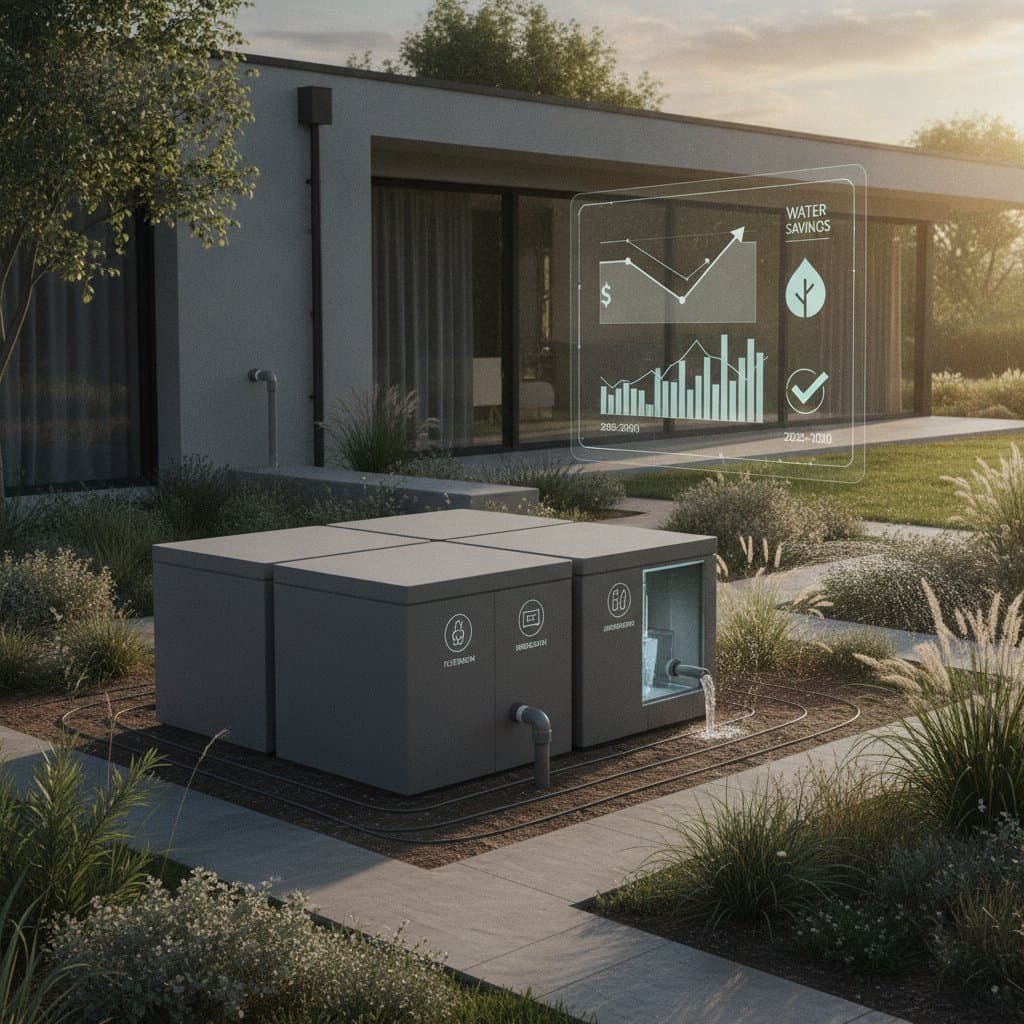
Sustainable development examples demonstrate superior durability in setups incorporating reservoirs and adaptive regulators. These technologies modulate output according to ground saturation levels, optimizing conservation and prolonging equipment longevity.
Addressing Common Concerns
Does Greywater Produce Odors?
Proper filtration and prompt utilization eliminate smells. Stagnation over extended periods invites scents; systems with timed releases mitigate this risk.
Is It Safe Around Pets or Children?
Compliance with regulations ensures safety. Position discharge points subsurface or shielded, and educate family members against ingestion from dispersal conduits.
Does It Impact Plumbing Warranties?
Certain device guarantees restrict reuse integrations. Verify compatibility with producers prior to connecting sources like washers or baths.
Is Professional Installation Required?
Basic kits permit self-assembly, yet regulations in most areas mandate certified labor for plumbing-integrated units. Expert involvement guarantees adherence to standards and operational integrity.
Social Proof and Homeowner Feedback
Participants in eco-focused online communities report seamless integration into daily life. One account described a laundry irrigation link operating reliably for five years, needing only biweekly filter washes. Another noted accelerated plant growth from inherent nutrient content in reused water.
Trade publications feature plumbers observing a surge in greywater inquiries. They attribute this trend to heightened drought consciousness and user-friendly digital interfaces simplifying management.
Long-Term Maintenance and Care
Sustained performance requires a structured regimen.
- Rinse filters every 30 days.
- Examine pumps and valves biannually.
- Scan distribution lines for obstructions quarterly.
- Purge the network ahead of weather shifts.
- Substitute degraded seals or components immediately.
Document observations to detect anomalies like diminished throughput or tint variations. Diligently tended systems endure 20 years or more.
Implementing Greywater for Lasting Benefits
Adopting greywater recycling represents a tangible advance in residential sustainability. It conserves resources, trims expenses, and fosters resilient greenery through straightforward oversight. Begin by mapping reuse priorities and plumbing access. Weigh options from basic diversions to advanced treatments to identify the ideal match for your site.
Suggestions for Further Improvement
- Integrate an online cost estimator tool.
- Provide directories of area-specific incentives.
- Incorporate narrative profiles with visual progressions.
- Refresh pricing information to capture innovations and market shifts.