Basement Waterproofing Costs in 2025: From $1,000 to $12,000
Basement moisture poses serious risks to home health, including mold proliferation, structural weakening, and expensive future repairs. A properly waterproofed basement safeguards indoor air quality, upholds property value, and averts ongoing foundation problems. In 2025, homeowners benefit from diverse waterproofing techniques, from straightforward do-it-yourself applications to sophisticated professional installations. Grasping the expenses involved, regional variations, and key influencing factors equips individuals to budget wisely and sidestep unexpected outlays.
Core Elements of Basement Waterproofing Expenses
Basement waterproofing expenses fluctuate based on moisture origins and selected remedies. Across the United States, typical residential initiatives span $1,000 to $12,000. Simple interventions, such as crack sealing or surface coatings, occupy the lower spectrum, whereas comprehensive setups like drainage networks, sump pumps, or external digging occupy the upper range.
Variations by Region
Costs vary nationwide owing to differences in soil types, weather patterns, and workforce expenses. Coastal or high-humidity zones command premium prices due to elevated moisture risks and service demand. Arid regions may suffice with elementary sealing, thereby curbing expenditures. Urban centers feature steeper labor fees, whereas rural locales enjoy more affordable rates.
Impacts from Seasonal Patterns
Water issues surface prominently following intense rainfall or spring thaws. Service providers frequently adjust rates upward during these periods amid surging requests. Opting for dry-season scheduling minimizes delays and may yield cost reductions.
Broader Economic Influences
Supply disruptions, workforce scarcity, and energy costs impact waterproofing prices. Items like concrete sealers, drain tubing, and pump units experience price swings from logistical shifts. For substantial undertakings, securing multiple estimates promptly secures favorable terms ahead of peak surges.
Pricing Frameworks in the Industry
Waterproofing firms adopt varied billing approaches tailored to project scale and intricacy.
Hourly Billing Compared to Fixed Quotes
Modest tasks, including crack filling or sealing, typically employ hourly charges of $75 to $150 for labor. Extensive endeavors favor fixed-price agreements to streamline financial expectations.
Charges by Measurement or Full Project
Certain firms bill per linear foot for drain lines or surface treatments. An interior French drain, for instance, ranges from $40 to $80 per foot, influenced by site access and component quality.
Combined Service Packages
Providers frequently bundle evaluations, sealants, and drain setups. Such integrations yield savings of 10 to 20 percent over individual service acquisitions.
Ongoing Maintenance Plans Versus Single Payments
Select firms offer subscription models encompassing yearly checks and pump tune-ups for a recurring fee. These plans suit owners seeking reliable monitoring without repeated coordination.
Levels of Service and Associated Costs
Waterproofing offerings scale with budget constraints and severity of infiltration.
Entry-Level Interventions
These encompass crack repairs, coatings, and basic patching, priced at $500 to $2,000. Such approaches suit minor leaks or proactive measures.
Mid-Tier Professional Solutions
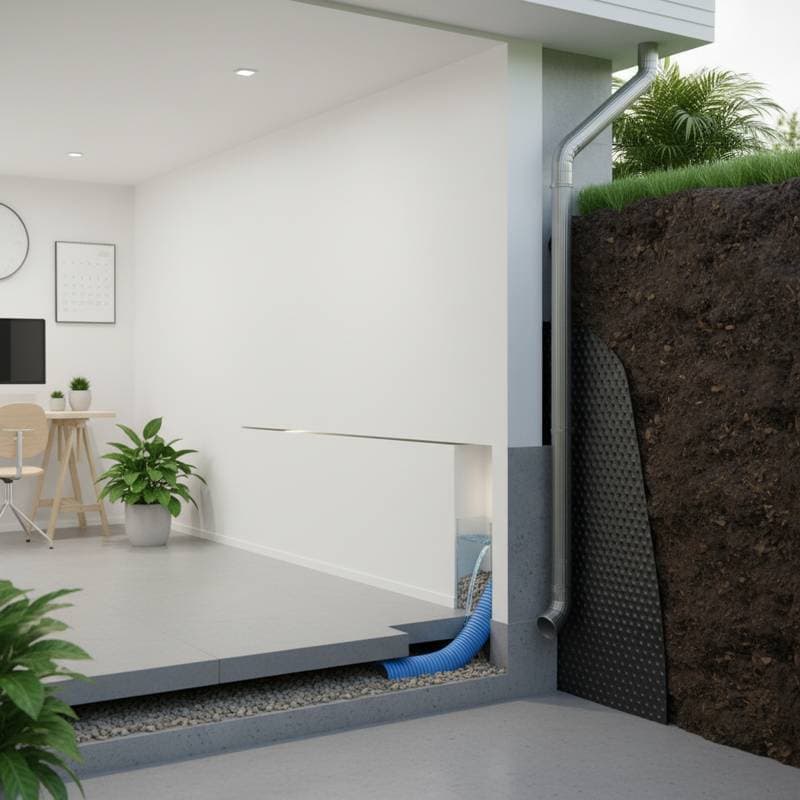
Interior drains or sump pump integrations define this category, with expenses from $3,000 to $8,000. These address substantial water entry and shield completed spaces.
Advanced Comprehensive Options
External digging, membrane applications, and site regrading represent top-tier choices, often exceeding $10,000 to $15,000. Though costly, they deliver enduring safeguards.
Custom Tailored Solutions
Properties with atypical designs or heritage features demand bespoke engineering, pushing costs beyond $15,000. Specialized materials and expertise justify the premium.
Primary Factors Shaping Expenses
Several elements determine the final price tag for achieving a moisture-free basement.
- Project Scale: Expansive areas demand greater quantities of supplies and effort, elevating totals.
- Installation Challenges: Confined spaces or aged structures heighten complexity and labor fees.
- Duration of Work: Extended timelines, particularly with digging or reinforcements, accumulate charges.
- Required Components: Pumps, barriers, and conduits differ in cost based on durability and features.
Data from the Basement Health Association indicates that high-quality sump pumps endure about 10 years and cut maintenance demands by 40 percent relative to entry-level units.
Supplementary Services and Fees
Enhancements to core waterproofing bolster durability and justify additional investments.
Dehumidifier Setup Costs
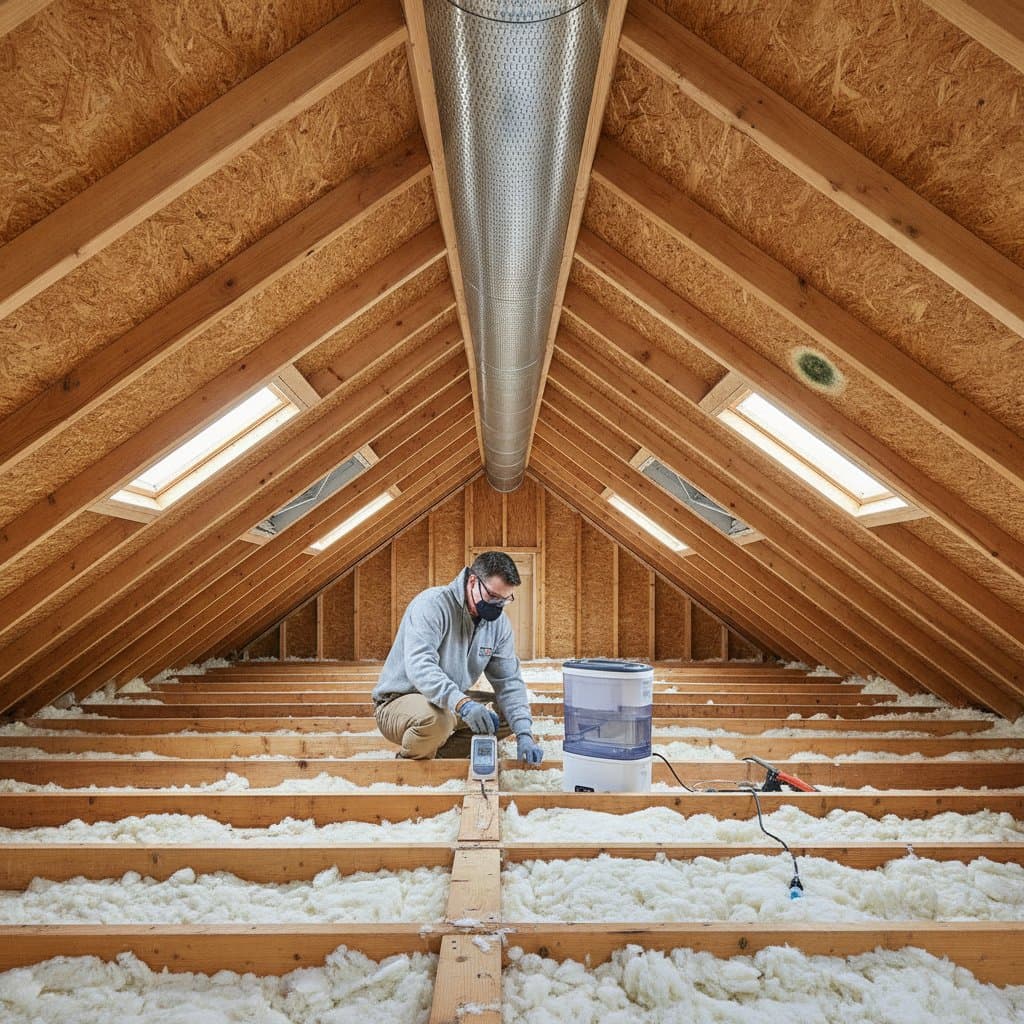
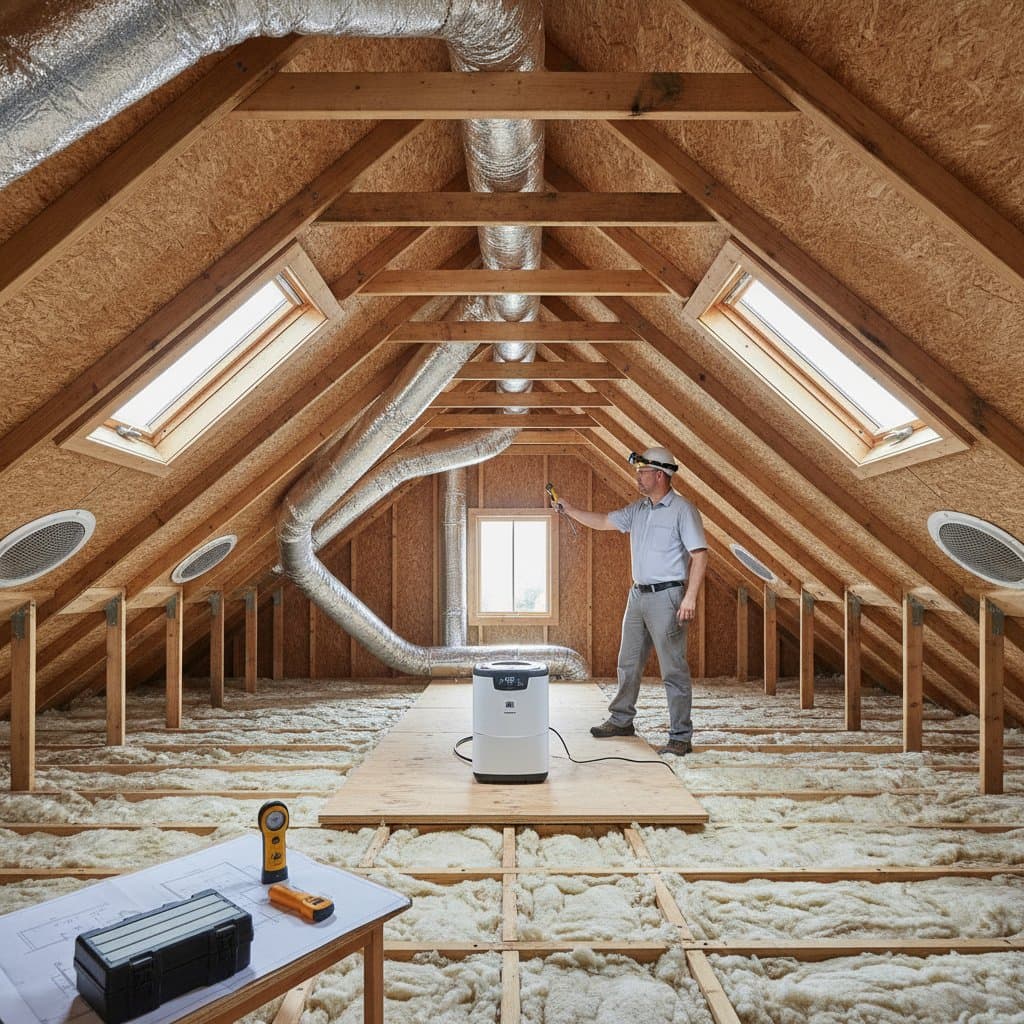
Units that regulate humidity thwart wall and floor sweating, with installations from $600 to $1,500 according to size.
Backup Power for Sump Pumps
Outages render standard pumps ineffective, risking inundation. Backup batteries add $300 to $800 yet provide essential storm resilience.
Full Wall and Floor Sealing
This process deploys robust barriers for a sealed environment, costing $2,000 to $6,000 and enabling expanded usable area.
Accelerated Scheduling Premiums
In wet seasons, urgent requests incur 10 to 20 percent surcharges for prompt execution and damage mitigation.
Choosing an Effective Waterproofing Strategy
Method selection hinges on moisture type. Condensation calls for ventilation upgrades or humidity controls. Crack penetration necessitates sealants or resin fills. Persistent flooding signals drainage flaws or seal failures.
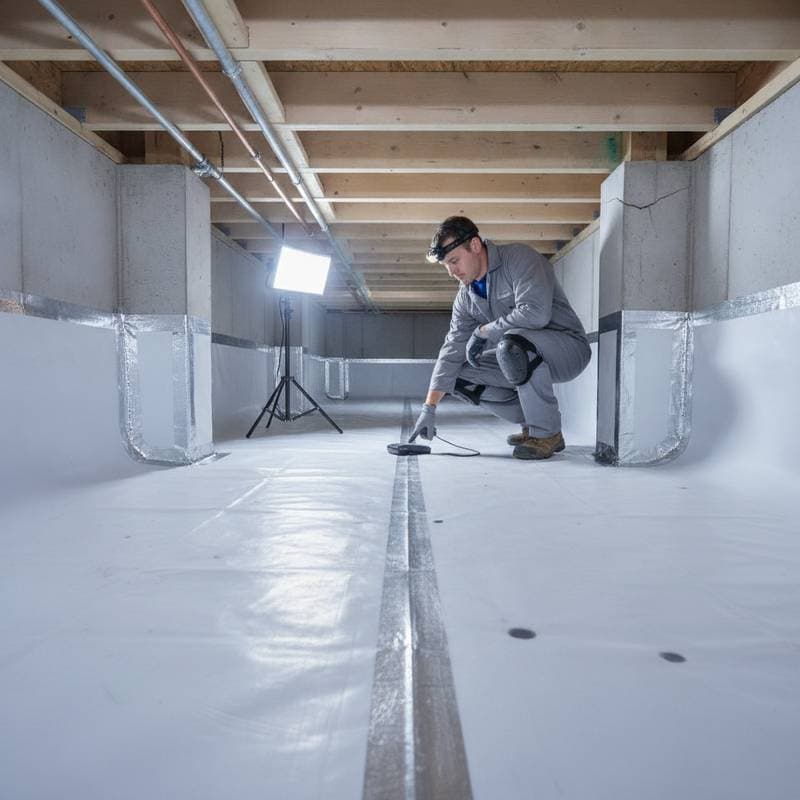
The National Association of Waterproofing Contractors advises commencing with thorough examinations. Professionals detect concealed sources and assess structural stress for $100 to $400. This step avoids redundant work.
Obtain bids from three providers and verify credentials. Prioritize licensed, insured experts offering warranty transfers. Extended guarantees enhance resale appeal.
Eco-Friendly and Efficient Waterproofing Choices
Environmental considerations shape contemporary selections. Low-emission sealants and sustainable barriers incur a 10 percent upcharge yet minimize pollutants and enhance air purity. Power-thrifty pumps operate reliably with reduced consumption.
Firms like Basement Systems and DryShield Solutions advance green practices through material reuse and efficient tools. These methods resonate with owners prioritizing sustainability and utility savings.
Strategies for Enduring Basement Protection
Investing in waterproofing yields lasting benefits for home integrity and comfort. Tailor choices to financial means, regional conditions, and foundation state. From targeted seals to system overhauls, proactive measures foster resilience.
Annual professional reviews, humidity tracking, and swift leak responses sustain dryness. These habits preserve investments and promote well-being over time.