Why Fall HVAC Filter Swaps Boost Indoor Air Quality
As temperatures drop and homes close up to retain heat, indoor air quality demands greater attention. Dust, pollen, pet dander, and other particles move through the HVAC system with each cycle. A clean filter serves as the primary barrier against these irritants. Replacing the filter in fall enhances the air residents breathe and shields heating equipment from excessive stress.
Why Fall Represents the Optimal Time for Filter Replacement
Air conditioners accumulate substantial debris during summer operation. This buildup restricts airflow once heating season starts. The furnace then labors more intensely, which elevates energy expenses and reduces equipment longevity. A pre-winter filter change promotes smooth operation and purer air.
Fall signals extended time indoors. Windows remain shut, and air circulates repeatedly within the home. A new filter stops summer-accumulated dust and pollen from spreading when heat activates. Such measures alleviate allergy responses and elevate general comfort for all household members.
How Dirty Filters Impact Air Quality and Efficiency
Clogged filters capture more than dust alone. They harbor mold spores, smoke residues, and bacteria. Once saturated, these elements release back into occupied areas. Subpar air quality leads to breathing discomfort, tiredness, and intensified allergies.
Efficiency suffers significantly from dirty filters, a leading HVAC issue. Reduced airflow forces the system to operate longer for temperature control. Energy consumption increases, and parts such as blowers and heat exchangers endure accelerated deterioration. The U.S. Department of Energy indicates that a filter replacement lowers energy use by as much as 15 percent, yielding substantial savings across the heating period.
Selecting the Appropriate Filter for Your System
Filters vary widely in design and performance. Selection hinges on system specifications, family requirements, and financial considerations. Standard options include fiberglass, pleated, and high-efficiency particulate air (HEPA) varieties.
- Fiberglass filters offer low cost and disposability. They intercept large debris like dust and lint, yet overlook finer allergens.
- Pleated filters provide expanded surface area to capture minute particles, including mold spores and pet dander. These endure one to three months typically.
- HEPA filters eliminate up to 99.97 percent of particles measuring 0.3 microns or larger. Allergy-prone individuals benefit most, though these may impede airflow in standard home setups without compatible design.
Examine the Minimum Efficiency Reporting Value (MERV) rating during purchase. Residential systems function optimally with MERV values from 8 to 12. Higher ratings risk airflow obstruction unless the equipment accommodates increased resistance. Consult the furnace or air handler manual prior to any upgrade.
Replacement Frequency for Fall and Winter Seasons
Inspect filters monthly during peak operation and swap them every three months at minimum. Residences with pets, tobacco use, or elevated dust require monthly replacements. Visible gray residue on return vents or diminished airflow from registers signals an urgent need.
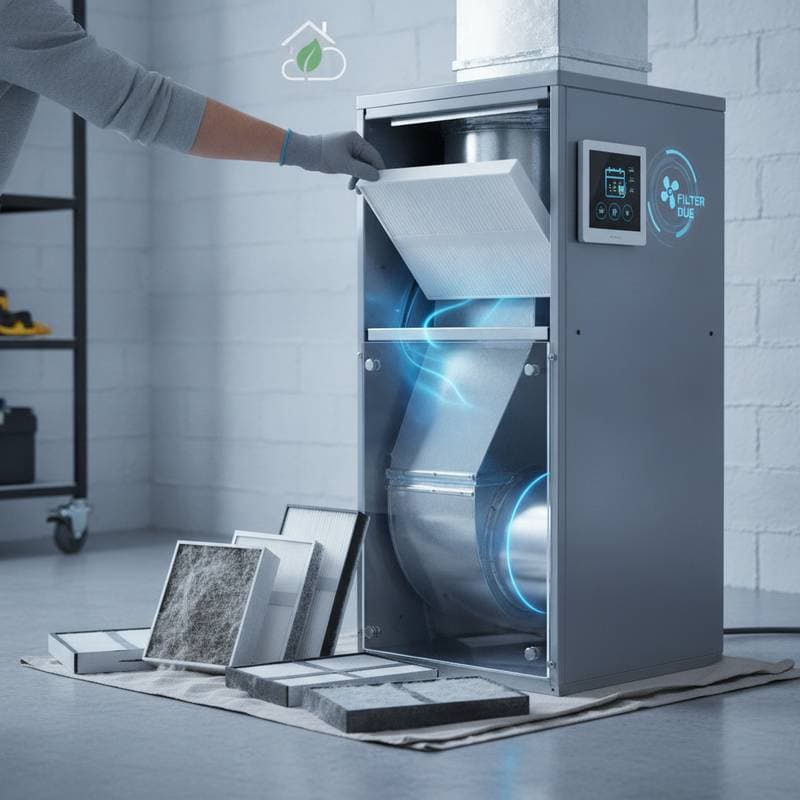
Advanced thermostats and HVAC units often feature alert systems for maintenance. Absent such tools, program a phone or calendar alert for routine checks. Regular adherence prevents accumulation and sustains air purity throughout the season.
Evaluating Costs and Time Involved
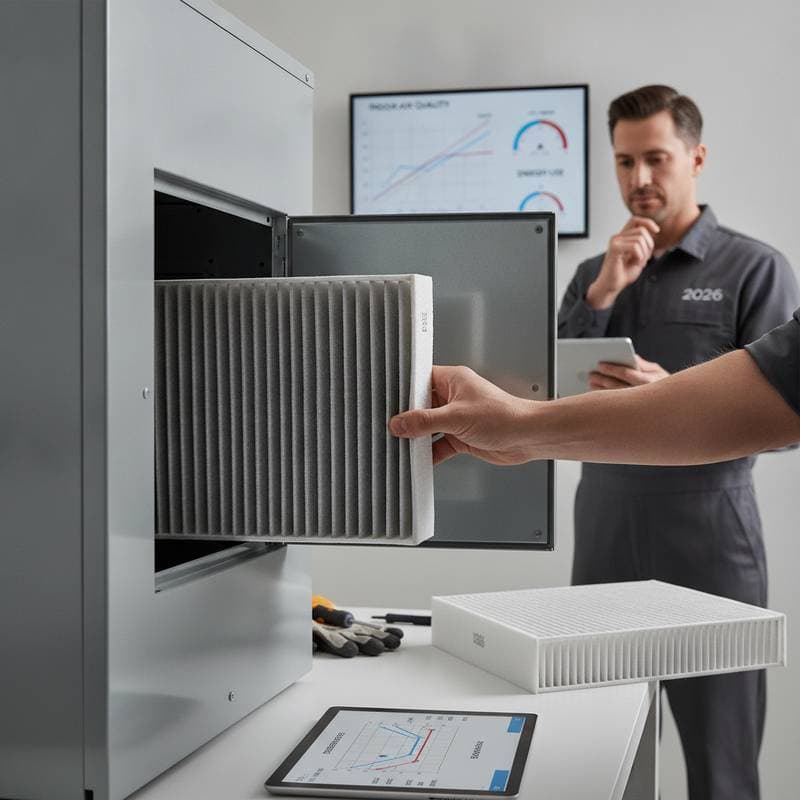
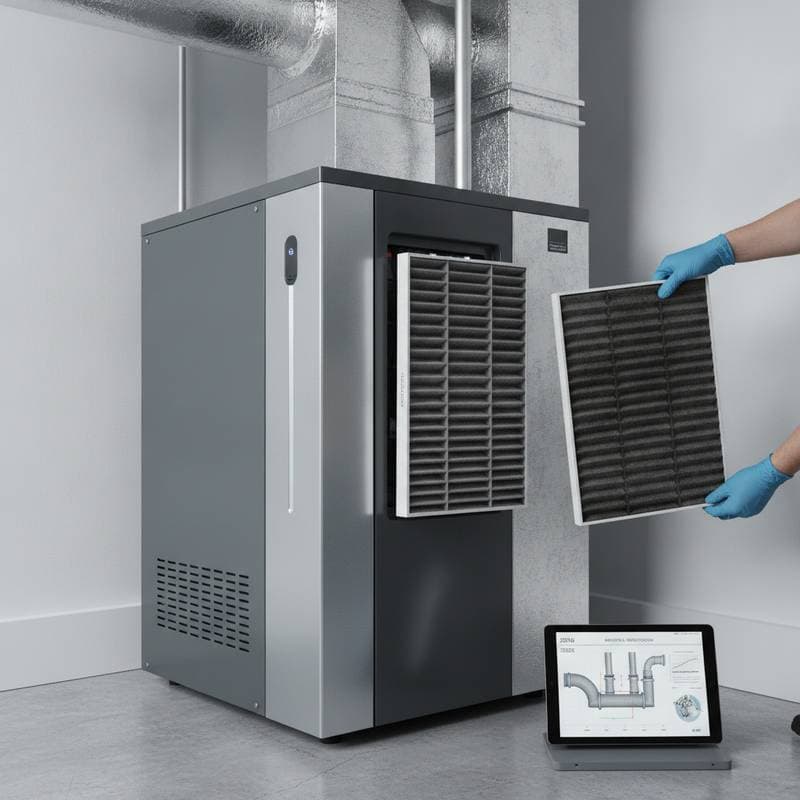
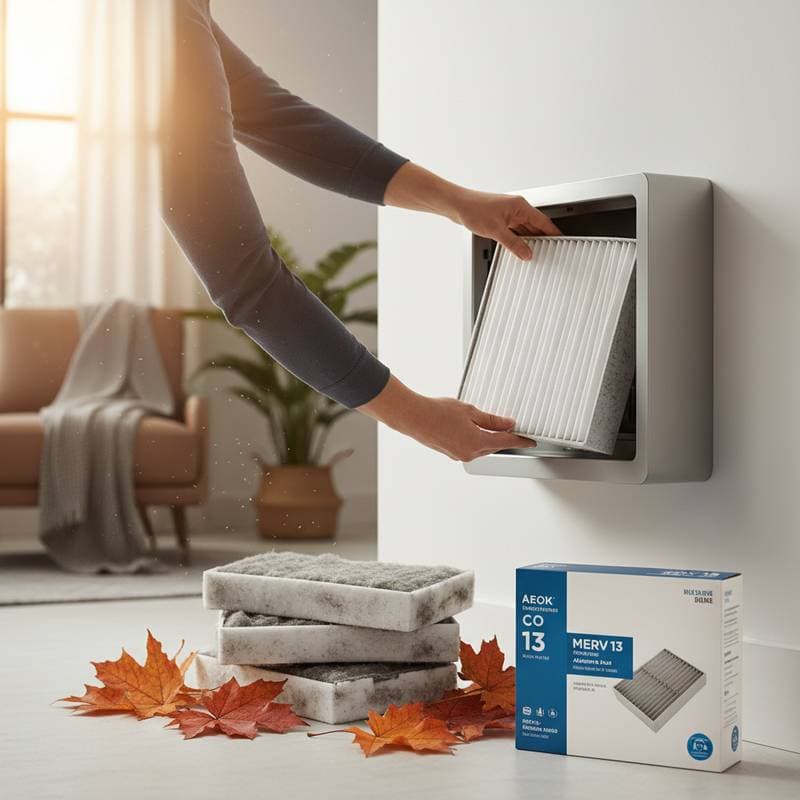
Pleated filters range from 10 to 25 dollars each, whereas HEPA or specialized types cost 40 to 80 dollars. Installation demands under ten minutes for most configurations. Shut off power, extract the old filter, align airflow indicators, insert the replacement, and reactivate the system to verify function.
Relative to service fees or inflated utility statements, filter swaps rank among the least expensive upkeep measures. This practice averts expensive fixes over time and upholds reliable home comfort.
Practical Strategies for Effective Implementation
- Verify dimensions precisely. Gauge the existing filter or note the frame markings to secure an exact match.
- Record installation timing. Inscribe the date on the filter frame to track service intervals effortlessly.
- Clean surrounding areas. Vacuum grilles and nearby ducts to minimize rapid soiling of the fresh filter.
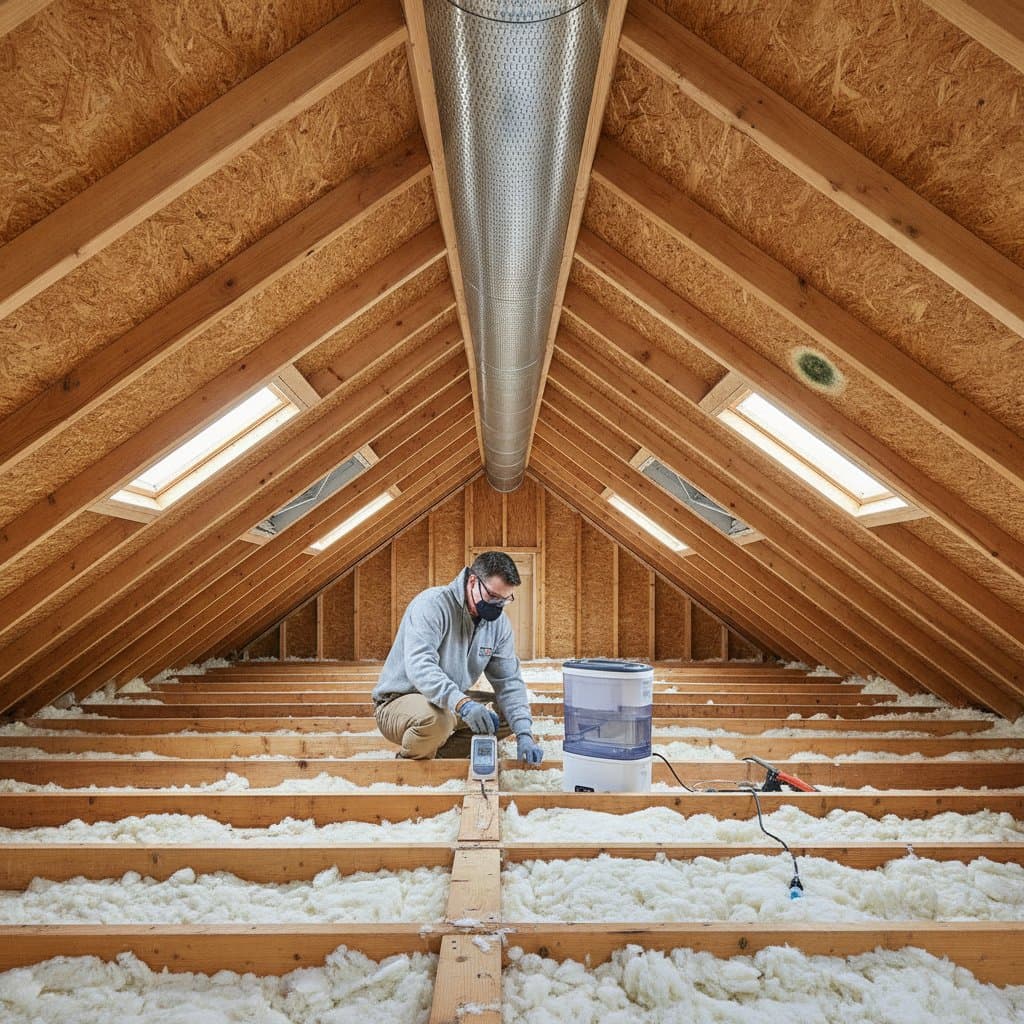
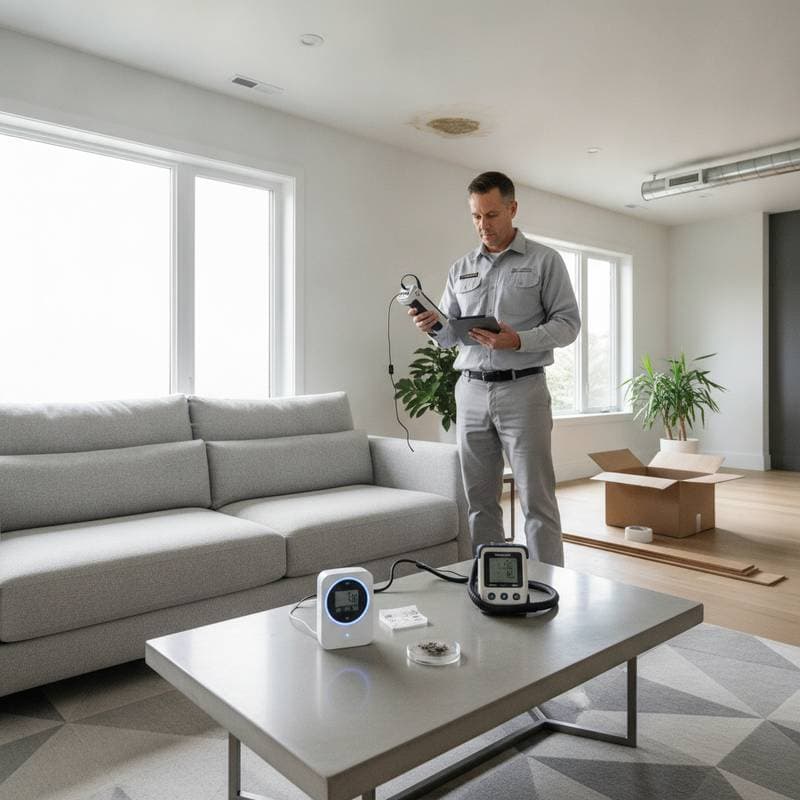
- Examine for dampness. Damp filters or mold evidence warrants a professional HVAC assessment for potential moisture problems.
- Adjust for seasonal needs. During intense fall allergy periods, opt for elevated MERV ratings to enhance filtration.
Safeguarding Health and System Longevity
Routine filter maintenance extends beyond convenience to protect well-being and equipment durability. Clean filters maintain even temperatures, curb energy expenditures, and lessen component stress. Homes gain a refreshed atmosphere, free from lingering scents and irritants.
Incorporate fall filter changes into standard procedures for a robust heating start. Stock spares, schedule the subsequent swap, and view this task as essential upkeep for sustained performance.