Introduction to Greywater Systems
Greywater systems capture and reuse lightly contaminated water from household sources such as showers, sinks, and washing machines. This water, distinct from blackwater like toilet flush, irrigates landscapes or flushes toilets, promoting water conservation. Homeowners adopt these systems to address rising utility costs and environmental concerns, turning a potential waste into an asset that supports both financial and ecological goals.
In 2026, advancements in filtration and automation make greywater systems more accessible and efficient. Installation varies by home size and local conditions, but the core principle remains: redirect treated water to non-potable uses. This approach not only cuts water bills but also appeals to buyers seeking energy-efficient properties, potentially adding thousands to resale value.
Types of Greywater Systems and Their Costs
Greywater systems fall into three main categories: basic, mid-level, and advanced. Basic systems divert water simply with minimal filtration, suitable for small homes or gardens. Mid-level options include pumps and basic treatment for broader applications. Advanced systems feature sophisticated filtration, automation, and integration with home plumbing for maximum efficiency.
Consider the following cost comparison for 2026 installations in a typical single-family home:
- Basic System: $1,500 to $3,000. These gravity-fed setups require little electricity and suit straightforward irrigation needs.
- Mid-Level System: $4,000 to $8,000. Includes surge tanks and simple filters, ideal for moderate water reuse in toilets or larger yards.
- Advanced System: $9,000 to $15,000. Offers UV disinfection, sensors, and app controls, perfect for comprehensive whole-home integration.
These figures account for materials, labor, and basic permitting. Actual prices fluctuate based on regional labor rates and system capacity.
Key Cost Factors
Several elements influence the total expense of a greywater system. Understanding these helps homeowners budget accurately and select appropriate options.
- House Layout: Multi-story structures or homes with outdated plumbing extend labor hours, potentially adding 20 to 30 percent to costs.
- Water Volume: Households with high usage require larger storage tanks and stronger pumps, increasing expenses by $500 to $2,000.
- Permits and Codes: Compliance with local regulations involves fees for inspections and approvals, ranging from $200 to $1,000 depending on the jurisdiction.
- Filtration Type: Basic diverters cost less, while multi-stage or UV systems enhance water quality at an additional $1,000 to $3,000.
- Landscaping Setup: Connecting to existing irrigation demands extra piping and valves, contributing $500 to $1,500 in modifications.
Evaluate your home's specifics early to avoid surprises. Consulting a professional assessor provides precise estimates tailored to your setup.
Real Savings and Return on Investment
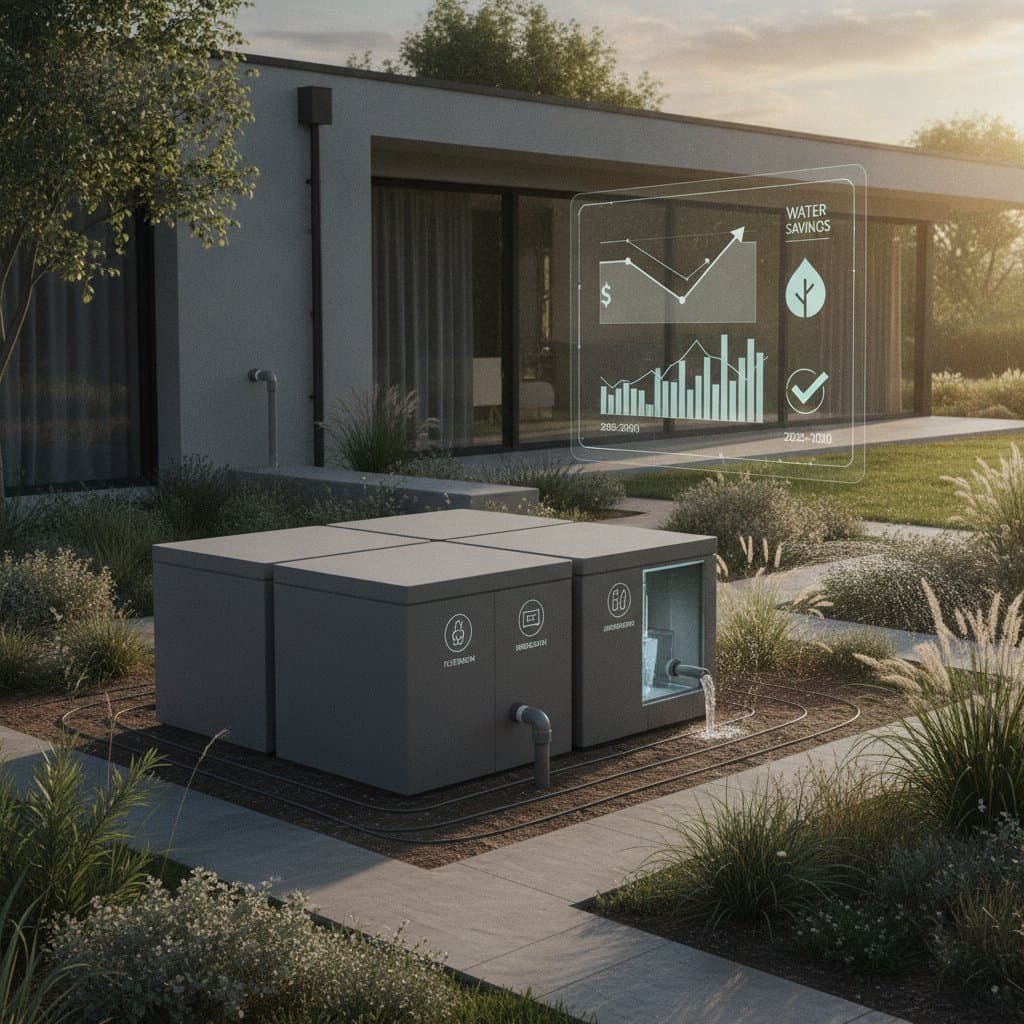
A properly installed greywater system reduces household water consumption by 30 to 50 percent, depending on usage patterns and system design. Savings hinge on local water rates; in areas with rates above $5 per 1,000 gallons, annual reductions can reach $300 to $600 for a family of four.
Calculate return on investment by dividing initial costs by yearly savings. For a $6,000 mid-level system yielding $400 in annual savings, payback occurs in about 15 years. Factor in rebates from utilities, which can offset 10 to 20 percent of costs, shortening this timeline.
Long-term value extends beyond bills. Reduced septic system strain lowers maintenance costs by $200 annually, and drought-resistant landscaping cuts additional expenses. When selling, sustainable features like greywater can increase property value by 5 to 10 percent, according to real estate trends.
Benefits Beyond Financial Savings
Greywater systems contribute to broader sustainability. By reusing water onsite, they ease demand on municipal supplies, preserving resources for communities.
Key advantages include:
- Reduced groundwater depletion, as less fresh water draws from aquifers.
- Decreased wastewater volume entering public sewers, lowering infrastructure burdens.
- Enhanced soil health through nutrient delivery from greywater, promoting robust plant growth.
- Elevated property appeal, attracting eco-conscious buyers in competitive markets.
During water shortages, these systems maintain landscapes without penalties, fostering resilience. Homeowners gain peace of mind knowing their home operates more independently from external water sources.
Maintenance and Safety Essentials
Effective maintenance ensures longevity and performance. Schedule monthly inspections to clean filters and check for leaks, preventing clogs that reduce efficiency.
Flush tanks and pipes quarterly to remove sediment buildup. Select biodegradable soaps and avoid chemicals like bleach, which can damage soil microbes or plants. For safety, maintain strict separation from potable water lines; install backflow preventers and label all pipes to avoid cross-contamination.
Professional servicing annually verifies compliance and optimizes operation. These steps minimize risks and sustain savings over the system's 20-year lifespan.
Addressing Common Homeowner Concerns
Homeowners often raise practical questions about greywater adoption.
Odor Issues? A well-maintained system with proper filtration produces no noticeable smells. Persistent odors indicate neglected maintenance, such as unclean filters—address promptly to restore functionality.
Legal Considerations? Regulations vary; some areas mandate permits, while others encourage installations with incentives. Research local building codes through your municipal office before proceeding.
DIY Feasibility? Simple diverter systems suit handy individuals with basic plumbing knowledge. However, pumped or complex setups demand licensed professionals to ensure code adherence and safe operation.
These concerns highlight the importance of informed planning. Resources from certified installers clarify options specific to your location.
Steps to Install Your Greywater System
Begin by auditing your home's water usage and plumbing configuration. Track bills for three months to quantify potential savings, then research system types matching your needs.
Obtain quotes from at least three certified installers, emphasizing experience with local codes. Inquire about warranties, typically 5 to 10 years, and available incentives like tax credits.
Post-installation, monitor performance through utility statements and adjust irrigation schedules for optimal results. This proactive approach maximizes benefits, integrating greywater seamlessly into daily life.
Sustaining Long-Term Value
Greywater systems represent a strategic investment in efficiency and resilience. Lower ongoing costs pair with environmental contributions, creating a home that thrives amid changing climates. As water scarcity grows, this upgrade positions properties for enduring appeal and financial security.