Greywater Costs: Permits and Savings Uncovered
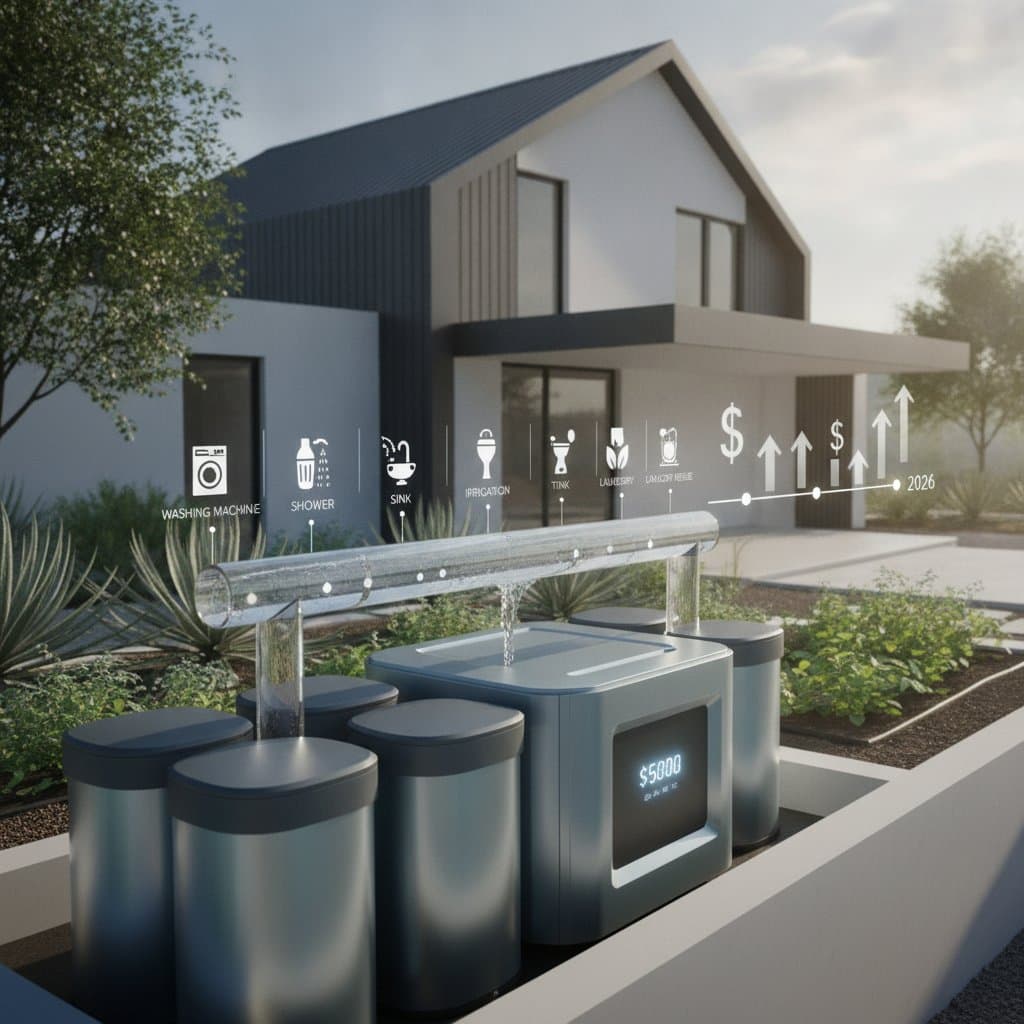
Homeowners increasingly recognize the volume of water their households consume and the portion that drains away unused. Greywater systems provide a practical approach by capturing wastewater from sinks, showers, and washing machines for reuse in landscaping or toilet flushing. Although the concept remains straightforward, establishing such a system entails multiple financial and regulatory considerations. A clear understanding of costs, from permits to ongoing savings, enables homeowners to determine if this investment aligns with their sustainability and efficiency objectives.
This guide details typical expenses, overlooked costs, and anticipated savings associated with greywater system installation. It also explains the permit process and offers expert advice on maintaining compliance while minimizing expenses.
Typical Installation Costs
Greywater system prices fluctuate significantly according to system complexity. For most homeowners, expenses divide into three primary categories:
-
Laundry-to-landscape systems
This entry-level configuration links the washing machine drain to an irrigation network for the yard. It demands few plumbing alterations and no elaborate treatment components. Materials for a do-it-yourself project typically cost between $250 and $700. Professional installation, which includes labor and fittings, ranges from $1,200 to $2,000. -
Simple branched drain systems
These setups collect water from showers or bathroom sinks and route it via subsurface pipes to nourish plants. They incorporate filters to remove hair and soap buildup. Depending on yard dimensions and pipe layout challenges, professional costs span $3,000 to $6,000. -
Fully treated and pressurized systems
Sophisticated versions feature filtration tanks, pumps, and disinfection mechanisms. They enable treated greywater redirection for indoor uses such as toilet flushing or cooling towers. Installation expenses for these systems generally fall between $8,000 and $15,000. Premium models with automated features may exceed $20,000, particularly if trenching or plumbing retrofits prove necessary.
Hidden Costs to Watch For
Installation and permit fees represent the primary outlays, yet several unanticipated expenses may arise.
- Site preparation: Excavating trenches for pipes or tanks adds $500 to $2,000, influenced by soil conditions and site access.
- System upgrades: Retrofitting plumbing without convenient diversion points incurs an additional $1,000 to $2,500.
- Filtration maintenance: Filters require cleaning or replacement every few months, with cartridges or screens costing $20 to $80 each.
- Pump replacement: Electric pumps in advanced systems last five to eight years and cost $200 to $600 to replace, including labor.
- Energy consumption: Pump-operated systems contribute a modest ongoing electricity expense, often under $5 monthly based on usage patterns.
Incorporating these factors yields a comprehensive view of total ownership costs.
Comparing DIY and Professional Installation
Certain homeowners opt for self-installation of basic greywater systems to cut expenses. For example, a laundry-to-landscape arrangement can assemble over a weekend with readily available components and standard plumbing tools.
Self-installation lowers costs by 40 to 60 percent relative to professional services. However, errors in slope alignment, pipe sizing, or outlet positioning may cause blockages, inconsistent distribution, or regulatory infractions.
Professionals bring expertise and guarantee adherence to codes. They also ensure proper scaling to match household water production and landscape demands. Local regulations often mandate licensed plumbers or contractors for systems integrated with indoor plumbing.
Environmental and Property Benefits
Greywater systems extend beyond financial advantages to deliver concrete environmental gains. By recycling household water, these systems ease pressure on public water sources and reduce wastewater volume directed to treatment facilities, thereby conserving energy and infrastructure capacity.
For property owners, such installations enhance market value through demonstrations of sustainable practices and resource management. A thoughtfully integrated system can elevate landscape aesthetics and appeal to environmentally conscious purchasers.
Real estate experts observe that properties equipped with features like greywater reuse or rainwater collection sell more quickly in regions prioritizing ecological responsibility. Although resale gains may not recoup upfront costs right away, they foster enduring asset appreciation.
Evaluating Return on Investment
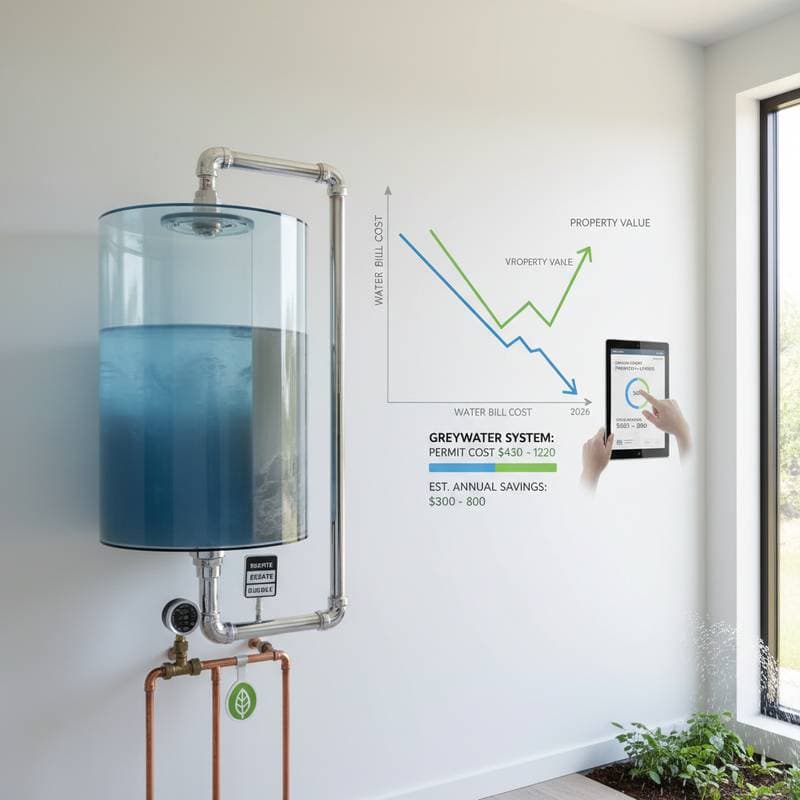
Assessing payback requires balancing installation outlays against projected water bill reductions. A mid-tier system priced at approximately $5,000 could generate annual savings of $400 to $600, depending on consumption levels, resulting in an eight- to ten-year recovery period.
Rising water rates over time accelerate actual payback. Beyond economics, advantages like enhanced water reliability and ecological contributions frequently drive homeowner decisions.
In arid areas or homes with large gardens, savings amplify considerably. There, optimized systems often produce evident bill decreases from the initial growing seasons onward.
Permit Requirements and Compliance Steps
Navigating permits forms a critical early step in greywater projects. Requirements vary by jurisdiction, but most locales classify greywater systems as plumbing modifications subject to building codes. Contact your local department of public works or building safety office to review specific rules, which may include system design approvals, soil percolation tests, or setbacks from wells and property lines.
Simple outdoor irrigation systems often qualify for streamlined permits costing $100 to $500, processed in two to four weeks. Indoor reuse setups demand more rigorous inspections and fees up to $1,000, potentially extending timelines to several months. Engage a code consultant if your area enforces strict health or environmental standards to avoid delays or fines.
Rebate programs from utilities or state agencies can offset permit and installation costs by 20 to 50 percent. Research incentives through your water provider or environmental protection agency to identify eligible funding.
Steps to Plan and Install Your System
Begin by evaluating your home water usage patterns through meter readings or fixture audits to pinpoint viable greywater sources. Sketch potential routing that avoids edible plants and ensures even subsurface distribution.
Secure professional input for designs exceeding basic setups, focusing on durable materials like PVC pipes rated for wastewater. Budget 10 to 15 percent extra for contingencies such as unexpected site obstacles.
After installation, conduct initial tests for leaks and flow efficiency. Establish a quarterly maintenance routine, including filter inspections and pump checks, to sustain performance and longevity.
Long-Term Rewards of Greywater Adoption
Greywater systems build household resilience against water scarcity while minimizing environmental impact. Consistent monitoring and upkeep maximize savings and reliability over decades. Homeowners embracing these technologies contribute to broader conservation efforts and enjoy enhanced living efficiency.