The Right Time and Type for Fall HVAC Filter Swaps
A reliable HVAC system maintains comfort in your home and keeps energy bills stable. As temperatures cool, the system transitions from cooling to heating, which positions fall as the optimal period to inspect and replace air filters. Clean filters enhance air quality and prolong equipment lifespan. Understanding the timing and filter selection supports efficiency and prevents expensive repairs.
Why Fall Marks the Ideal Replacement Period
Throughout summer, the HVAC system labors to cool the home, accumulating dust, pollen, and debris on filters. By autumn, these filters frequently become clogged. A blocked filter compels the blower motor to force air through accumulated material, which stresses the system and elevates energy consumption. Fall replacement restores proper airflow for heating demands and readies the furnace for increased operation.
HVAC professionals recommend seasonal filter replacements as straightforward yet impactful maintenance practices. A fresh filter boosts efficiency by up to 10 percent, resulting in reduced monthly expenses. It also averts excessive heat buildup within the furnace enclosure, particularly during prolonged runs in colder weather.
Determining Replacement Timing
Each home presents unique conditions, so schedules vary based on factors like occupancy and environment. Residences with pets, tobacco use, or allergy sufferers require more frequent replacements. Inspect filters monthly during peak seasons as a standard practice. Visible dust accumulation on the surface or diminished vent airflow signals the need for change.
Certain filters feature a color-changing indicator strip that alerts when airflow falls below optimal levels. Smart thermostats and monitoring devices provide precise tracking through system runtime data. When in doubt, opt for earlier replacement. The expense of a new filter pales in comparison to service fees or blower motor damage.
Selecting the Appropriate Filter Type
Filters differ in design and performance, so choices align with system capabilities, air quality requirements, and financial considerations. Consider these primary options for homeowners:
-
Fiberglass filters
These budget-friendly choices permit strong airflow while trapping larger particles. They suit low-dust environments, such as seasonal properties. -
Pleated filters
Constructed from folded polyester or cotton, these capture finer elements like pollen and pet dander. They provide cost-effective filtration suitable for typical homes. -
High-efficiency filters
Marked by elevated MERV ratings, these eliminate fine dust, smoke particles, and certain bacteria. They benefit allergy-prone households, provided the system accommodates their resistance. -
Washable filters
Reusable and environmentally conscious, these clean via water rinsing for multiple cycles. Maintenance involves thorough drying to avoid mold; reinstall only when fully dry.
Match the MERV rating to your HVAC specifications for optimal results. Residential systems generally thrive with ratings from 8 to 12. Higher ratings risk airflow restriction and efficiency loss without compatible blower design. Review the owner manual or seek technician advice prior to upgrades.
Step-by-Step Guide to Filter Replacement
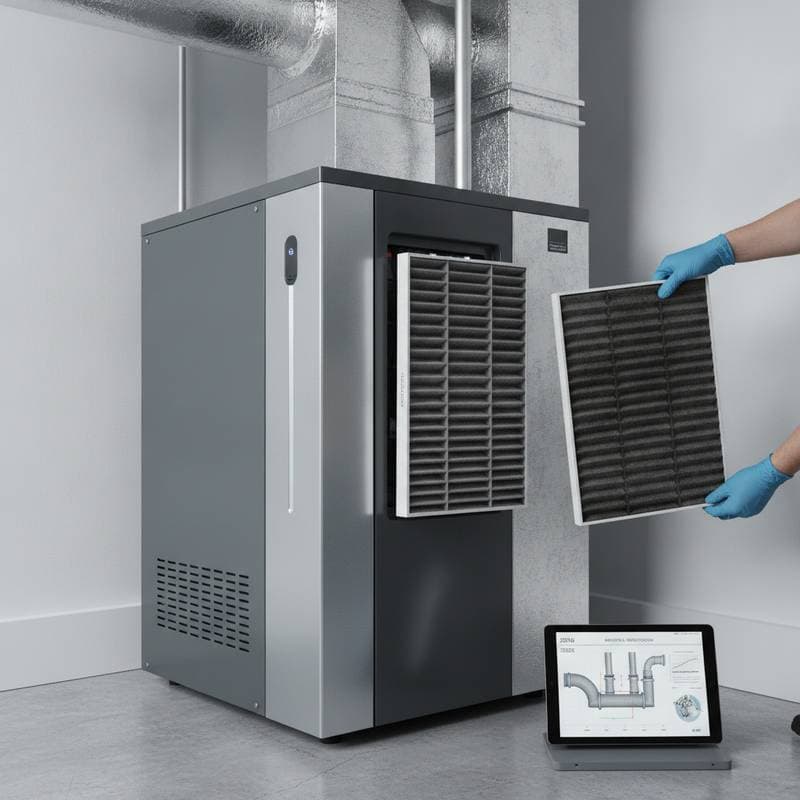
This task requires mere minutes and basic access. Proceed with these steps for a secure process:
- Power down the HVAC system to halt dust circulation during removal.
- Identify the filter location within the return air duct or furnace housing.
- Extract the old filter, observing the airflow arrow on its frame.
- Position the new filter so the arrow directs toward the blower motor.
- Reattach the access panel and reactivate the system.
Post-installation, verify uniform airflow from vents. Document the replacement date on the filter edge or via a maintenance application to monitor intervals.
Evaluating Costs and Energy Impacts
Fresh filters prevent unnecessary extended operation. Experts note that clogged filters can hike energy use by 15 percent. This added strain accelerates wear on components and escalates repair needs. Quarterly to tri-monthly changes, tailored to home specifics, mitigate these issues while purifying indoor air.
For service plan subscribers, request filter inclusion in seasonal visits. Such tune-ups encompass airflow assessments, duct evaluations, and furnace adjustments, enhancing the benefits of new filters.
Preparing for Winter Efficiency
Routine filter maintenance yields substantial advantages through cleaner air, reduced failures, and trimmed utility costs. Fall serves as a timely cue amid the heating transition, when system demands intensify. Integrate this into broader checklists, including gutter clearing and thermostat adjustments.
Professional assistance proves valuable if preferred; book visits ahead of winter peaks. Through personal effort or expert support, proactive filter care ensures HVAC readiness, fostering a comfortable and cost-effective home throughout the season.