Radon Mitigation Costs: Testing and Removal Prices
Radon is a naturally occurring gas that can collect in homes, particularly in basements and lower levels. It has no odor or color, which means homeowners often discover it only through testing. Prolonged exposure can raise health risks, making testing and mitigation an essential part of maintaining safe indoor air quality.
Understanding testing costs, system options, and removal pricing helps homeowners budget effectively for a critical safety upgrade.
What Radon Testing Involves
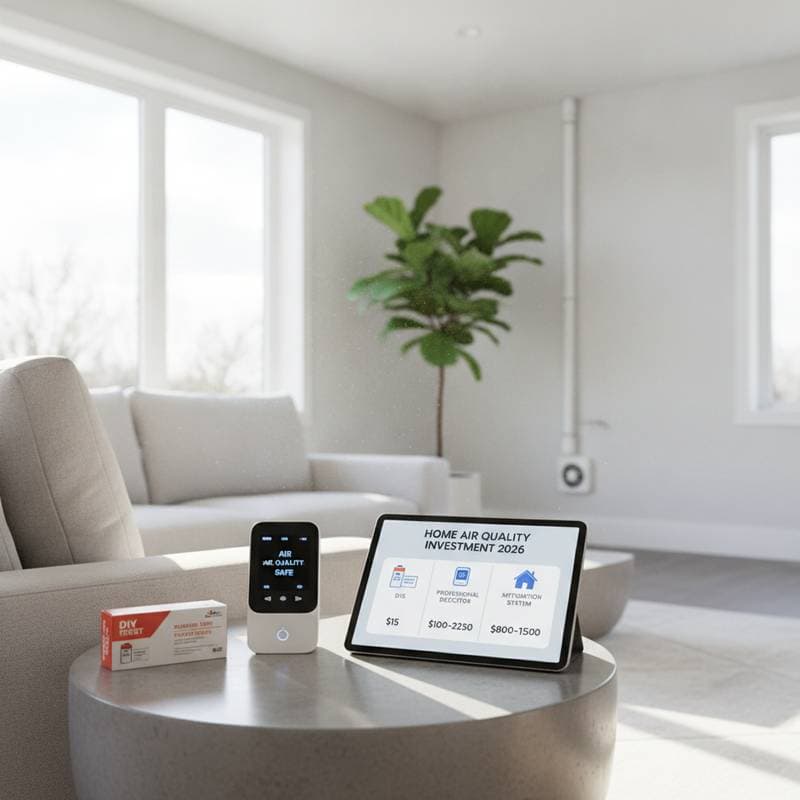
Testing is the first step in any mitigation plan. Homeowners can choose between short term and long term tests. Short term kits, which measure levels over a few days, are often available at hardware stores or through local health departments. These kits usually cost between 15 and 40 dollars.
Long term tests, which collect data for several months, give a more accurate reading and typically cost between 50 and 100 dollars. Professional testing provides an added layer of accuracy. Certified inspectors use calibrated equipment to detect even small traces of radon.
A typical professional test costs between 150 and 300 dollars, depending on home size and location. Many experts recommend professional testing for real estate transactions or for homes with complex foundations.
Cost of Radon Mitigation Systems
If test results show levels above recommended limits, a mitigation system becomes necessary. The goal is to vent radon from beneath the foundation before it enters the living space. Several methods are available, and costs depend on factors such as foundation type, soil condition, and system design.
- Sub slab depressurization is the most common system. It uses a fan and vent pipe to pull radon from under the foundation and release it outside. Installation usually costs between 1200 and 2500 dollars.
- Crawl space systems often involve sealing exposed soil and adding venting fans. These systems typically range from 1500 to 3000 dollars.
- Drain tile depressurization works well in homes with existing drainage tiles. Prices are similar to sub slab systems, averaging 1000 to 2000 dollars.
In some homes, sealing foundation cracks and sump pump openings can reduce radon entry. While sealing alone rarely solves the problem, it supports the main system and costs between 300 and 800 dollars.
Factors That Influence Cost
Several variables affect the total expense of radon mitigation. Home size and layout play a major role. Larger homes or those with multiple foundation types require more extensive piping and additional fans. Local climate also matters, since cold regions often need insulated vent lines to prevent condensation.
Labor rates differ by region, and local regulations can require permits or post installation testing. These additional steps may add 100 to 400 dollars to the total. Homeowners who schedule mitigation during other renovation projects can sometimes lower costs by combining labor tasks.
Long term Benefits
Installing a radon mitigation system not only protects health but can also increase property value. Many buyers now request radon test results before closing, and a documented mitigation system can make a home more attractive on the market. Systems are quiet, energy efficient, and require little maintenance beyond fan checks and periodic retesting.
Ongoing System Care
Once a system is installed, retest the home every two to three years to confirm performance. Keep vent pipes clear of debris and inspect the fan for noise changes or signs of wear. Replacing a fan usually costs between 150 and 300 dollars, a small price compared to the safety it provides.
Radon mitigation is one of the most effective ways to improve indoor air quality and protect family health. By understanding testing and removal costs, homeowners can plan with confidence and maintain a safer, more comfortable home environment.