Enhance Indoor Air with Fall HVAC Filter Replacements
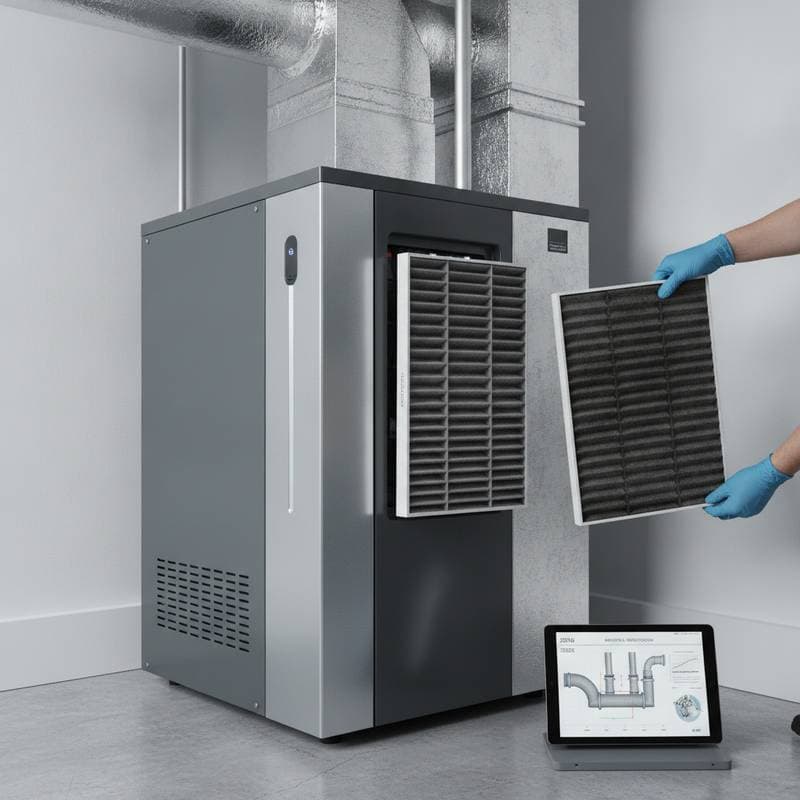
Autumn signals a shift to heating, increasing reliance on HVAC systems in homes. Replacing filters at this time maintains comfort while minimizing airborne particles. Clean filters promote superior air movement, decrease energy consumption, and shield key components from dust accumulation. Homeowners often neglect this straightforward task, but it delivers clear benefits to air purity and system efficiency.
Grasping the Basics of HVAC Filter Replacement Costs
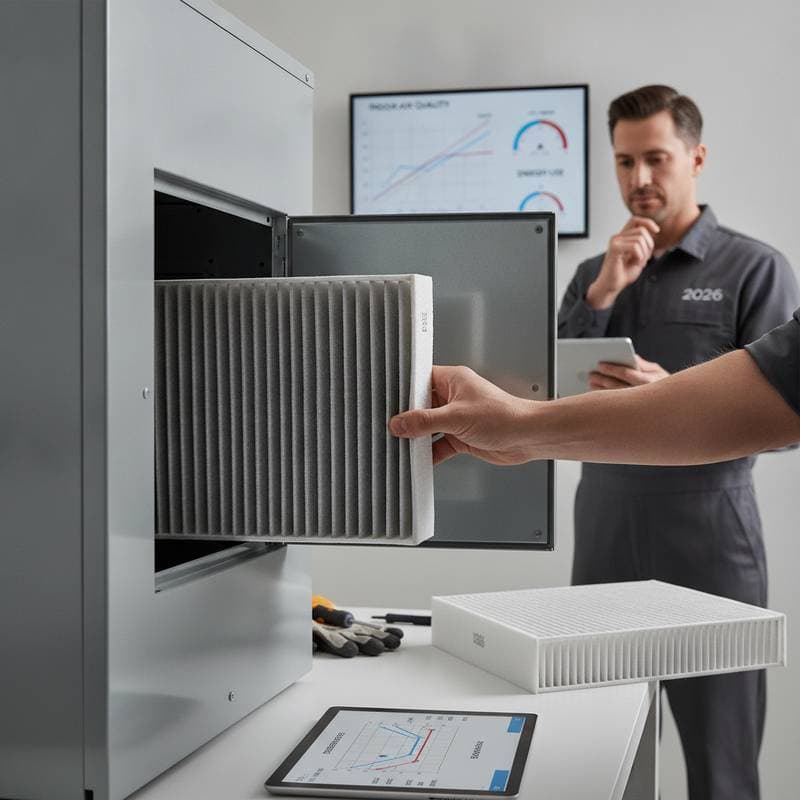
Replacing an HVAC filter ranks among the least expensive ways to care for a home heating and cooling setup. The typical national price for one replacement falls between 15 and 45 dollars, varying by filter style and dimensions. If professionals handle installation as part of a standard checkup, expect an additional 40 to 90 dollars.
In bigger residences or those with several air intakes, expenses climb due to the need for extra filters. Prices differ by region too. Cities with elevated labor expenses might charge 120 dollars or higher for a service call, whereas rural or suburban spots remain nearer the bottom end. Locations prone to heavy pollen, smoke from wildfires, or factory emissions prompt more regular changes, elevating yearly outlays.
Demand peaks in fall and spring, prompting HVAC firms to offer discounts or package filter swaps with full inspections. Broader economic pressures, like those affecting supplies of materials such as fiberglass or pleated fabrics, can nudge prices, though shifts tend to stay minor.
Evaluating Pricing Approaches and Service Options
Homeowners face multiple ways to structure payments for filter services.
- Fixed-Rate Packages: Numerous HVAC providers set a single fee for filter changes during routine visits. This approach avoids unexpected charges and appeals to those on yearly plans.
- Time-Based Billing: Workers paid hourly fold filter tasks into overall labor, which spans 75 to 125 dollars per hour based on the area.
- Unit or System Fees: Properties with divided zones apply charges per air handler, assigning a specific amount to each.
- Ongoing Membership Programs: Certain businesses offer plans covering quarterly filter updates and checks for 15 to 30 dollars monthly.
Such options allow customization of timing and finances. Plenty of people manage simple swaps independently, reserving experts for thorough seasonal reviews or intensive cleanings.
Service Levels and Associated Costs
Filter services divide into levels suited to varying requirements and funds.
- Entry-Level Option: Features a basic fiberglass filter with fast setup, priced at 15 to 25 dollars per unit.
- Mid-Tier Professional Choice: Employs pleated filters boasting stronger efficiency, at 30 to 50 dollars apiece. Technicians inspect airflow and duct health as well.
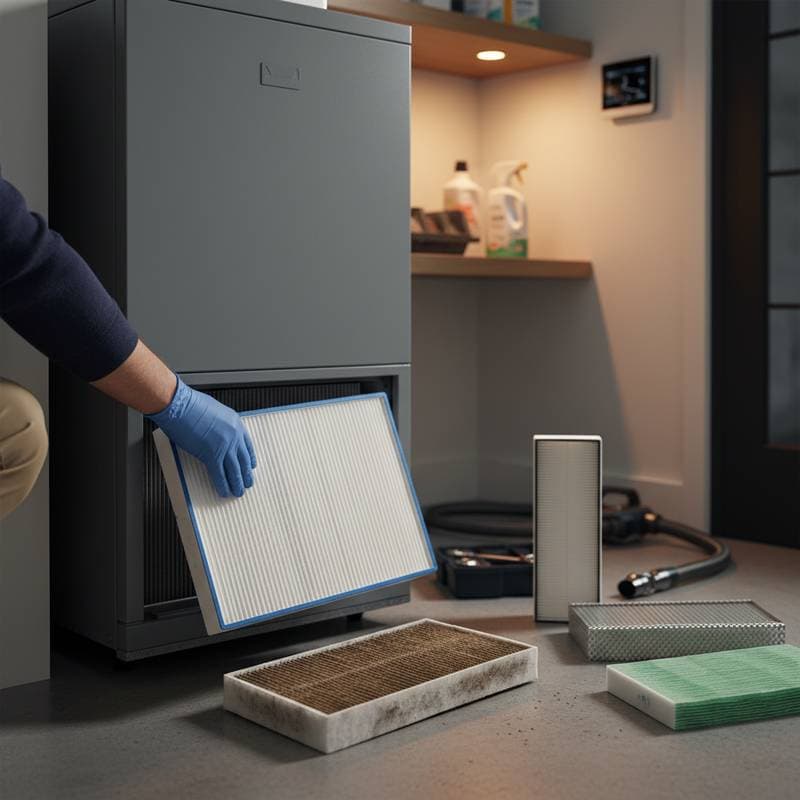
- High-End Selection: Incorporates sophisticated options like HEPA or carbon-enhanced types that trap tiny particles and smells, ranging from 60 to 120 dollars per filter. These suit homes with allergy concerns or animals.
- Tailored or Bespoke Service: Unique system demands, such as non-standard sizes or brand-specific designs, can hit 150 dollars or above, particularly via direct supplier orders.
The best level hinges on daily life elements like pet presence, sensitivity to allergens, and regional air conditions. Mid-level filters often provide ideal value for typical households.
Factors Shaping HVAC Filter Expenses
Multiple aspects determine both the price and replacement schedule.
- Equipment Scale: Expansive systems demand larger filters or additional vents, boosting overall spending.
- Filter Category and Rating: Ratings use MERV scale for particle capture. Elevated MERV values snag finer debris but risk impeding air if mismatched to the unit.
- Operational Demands: Daily system use gathers residue swiftly, requiring shorter intervals between changes.
- Living Conditions: Amounts of dust, animal hair, and resident numbers speed up clogging.
- Expert Involvement: Certified pros add fees yet guarantee accurate placement, system review, and safe old filter disposal.
Data from the Air Conditioning Contractors of America indicates blocked filters cut efficiency by as much as 15 percent, inflating utility costs and hastening wear. Consistent swaps counteract these problems and bolster long-term dependability.
Extra Services and Potential Fees
During autumn upkeep appointments, specialists frequently suggest complementary tasks alongside filter work.
- Duct Clearance: Spans 300 to 500 dollars by property scale, clearing allergens and particles beyond filter reach.
- Coil Maintenance: Runs 100 to 200 dollars, enhancing thermal transfer for better performance.
- Pollutant Assessment: Costs 150 to 250 dollars, pinpointing contaminants to guide filter upgrades.
- Rush or Off-Hour Scheduling: In busy periods, firms add premiums for immediate or non-standard time slots.
While these extensions increase the invoice, they yield tangible gains in air freshness and equipment durability.
Benefits of Timely Fall Filter Changes
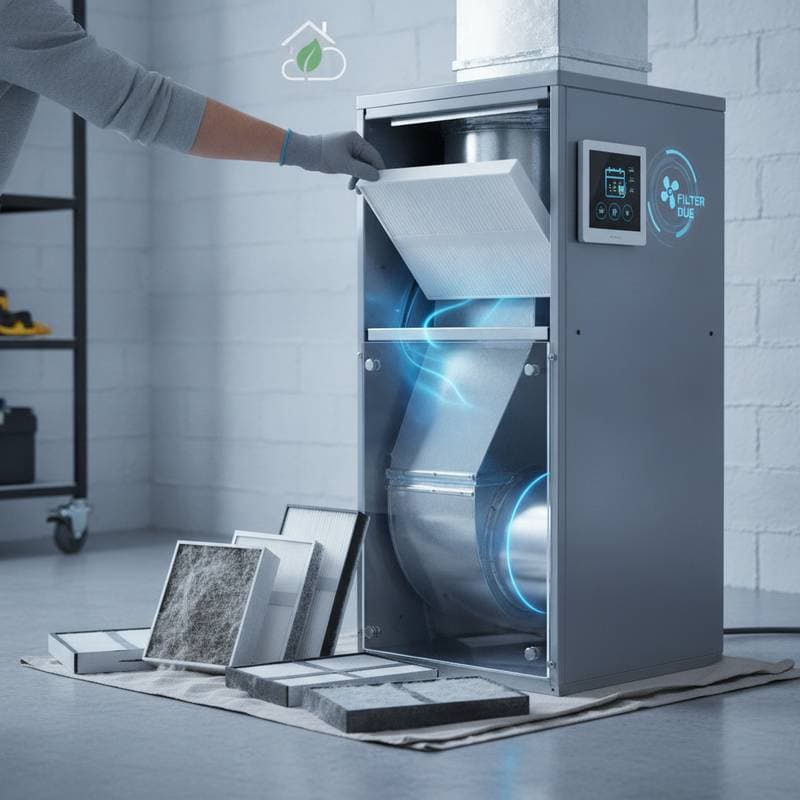
Autumn presents the prime window for updating HVAC filters. Summer operations collect pollen, dirt, and fragments via cooling. Retaining them into heating months disperses these through warm air, fostering odors in passages.
Fresh filters ease pressure on fans and drives. The Environmental Protection Agency notes effective filtration drops indoor particles by 30 percent or greater, particularly with steady fresh air intake. Those with sensitivities experience relief from irritation, fostering ease during winter.
Picking Suitable Filters for Autumn Use
To select a filter, review your system's guidelines and air capacity. Strong MERV numbers attract attention yet demand compatibility checks for home setups. Units in most dwellings thrive with MERV 8 to 13 ratings, handling everyday contaminants sans flow hindrance.
Residences with animals, tobacco use, or heavy meal prep benefit from carbon-activated types to neutralize scents. Individuals prone to reactions may opt for charged or dense-capture variants to seize minuscule allergens.
Steps to Schedule Your Fall Update
Arranging a filter replacement this season stands as an easy move for superior home air. Pair it with routines like testing alarms and weatherproofing openings to sustain steady care.
Updated filters elevate air standards, safeguard HVAC investments, heighten efficiency, steady circulation, and lessen breakdown chances. Homeowners gain lasting savings and comfort through this proactive step.