Preparing Your Furnace for Winter Efficiency
As temperatures drop, a well-maintained heating system ensures comfort without excessive costs. Homeowners often overlook fall maintenance until cold snaps reveal inefficiencies. Scheduling a furnace tune-up before winter arrives addresses potential issues early, enhances performance, and can reduce heating bills by up to 15 percent through improved energy efficiency.
This maintenance goes beyond surface cleaning. It involves a thorough assessment that boosts reliability, prioritizes safety, and optimizes operation during peak demand. Homeowners can perform simple tasks independently, while complex inspections require professional expertise to achieve lasting results.
Components of a Comprehensive Professional Inspection
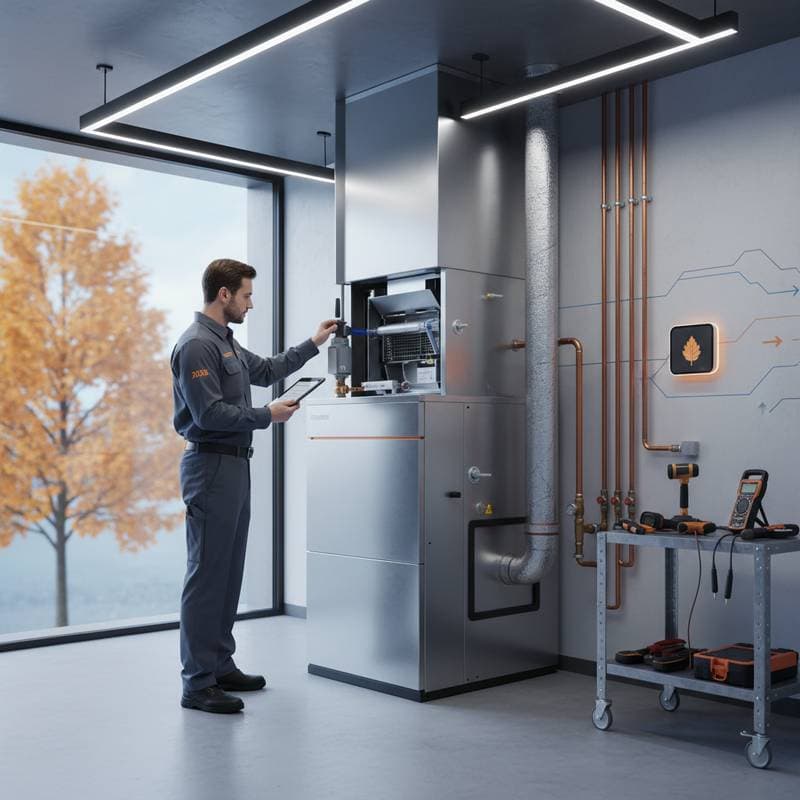
Engaging a certified HVAC technician provides a detailed evaluation of your system. Such services typically include these essential steps:
- Thermostat calibration: Technicians adjust the device to ensure precise temperature control and even heating throughout the home.
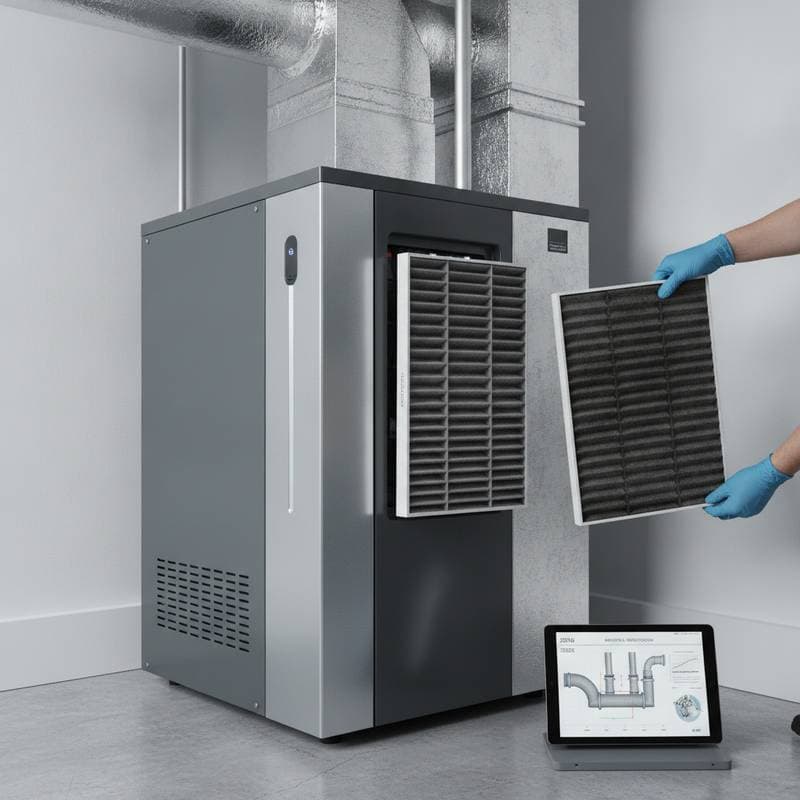
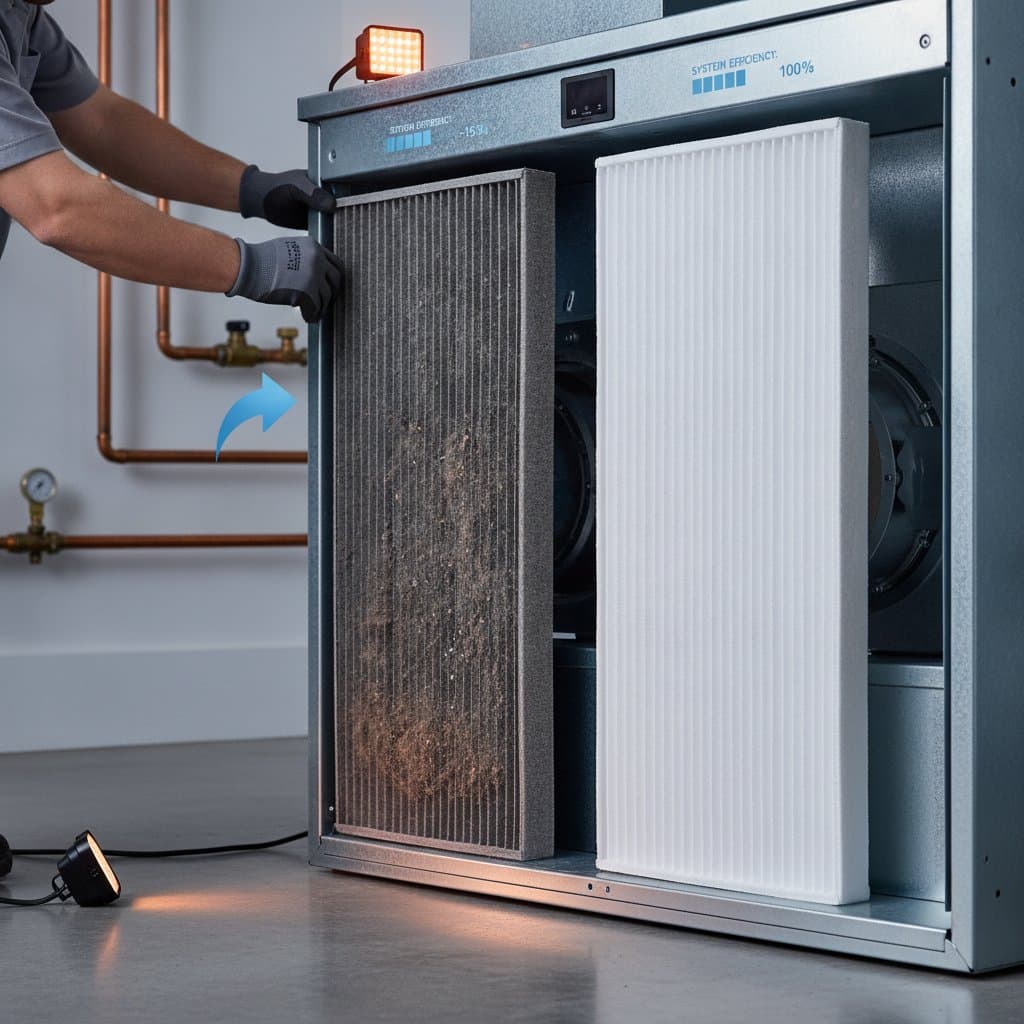
- Filter maintenance: They replace or clean filters to enhance airflow, which eases the load on the blower motor and improves overall efficiency.
- Blower cleaning: Dust and debris accumulation in the compartment is removed to restore fan speed and prevent reduced heat distribution.
- Burner assessment: Inspectors check for proper ignition and combustion, confirming efficient fuel consumption and minimizing waste.
- Heat exchanger evaluation: A close examination detects any cracks or wear that might release harmful carbon monoxide into living spaces.
- Electrical checks: Connections receive tightening to avoid intermittent power failures or hazardous shorts.
- Lubrication services: Moving components, including motors and bearings, receive oiling to reduce friction and extend operational life.
- Ventilation review: Flues and vents undergo clearing to guarantee unobstructed exhaust and compliant safety standards.
These procedures generally span one to two hours. Upon completion, technicians deliver a detailed report outlining findings, along with tailored recommendations for ongoing care or necessary upgrades.
Assessing Costs and Task Complexity
Fall furnace maintenance varies in complexity, making it accessible for varying skill levels. Basic actions, such as swapping filters or verifying thermostat function, demand few tools and suit confident homeowners. However, intricate tasks like heat exchanger analysis or internal cleaning necessitate professional intervention to maintain safety and accuracy.
Typical expenses include:
- DIY filter changes: $10 to $40, depending on filter type and size.
- Complete professional service: $90 to $200, covering inspection and minor adjustments.
- Replacement of small components, such as belts, sensors, or igniters: $30 to $150, including labor.
For systems approaching the end of their 15- to 20-year lifespan, technicians might advise on full replacements. Modern units, priced from $3,000 to $7,000, incorporate advanced features that yield significant long-term savings on energy use.
Implementing Everyday Efficiency Measures
Complementing the tune-up with household adjustments amplifies savings. Program the thermostat to lower temperatures by two degrees during unoccupied hours, and set it even further overnight for restful sleep. Apply weatherstripping to seal drafts around windows and doors, and consider caulking exterior gaps to block cold infiltration.
Insulating attics and basements targets major heat loss areas effectively. Homeowners who integrate these practices with professional maintenance often achieve 10 percent or greater reductions in heating expenses. The combined approach fosters a more energy-conscious home environment.
Tracking Long-Term System Health
Regular fall tune-ups safeguard against unexpected failures and preserve your heating investment. Document service reports to monitor trends, such as recurring filter clogs or efficiency dips, enabling proactive decisions. As one experienced HVAC professional noted in an online video, "Systems inspected annually in autumn seldom encounter breakdowns during harsh winters."
Establish an annual calendar alert for maintenance scheduling well ahead of seasonal changes. This routine not only minimizes repair costs but also promotes safer, more reliable indoor comfort year after year.