Why Change HVAC Filters in Fall: Best Types
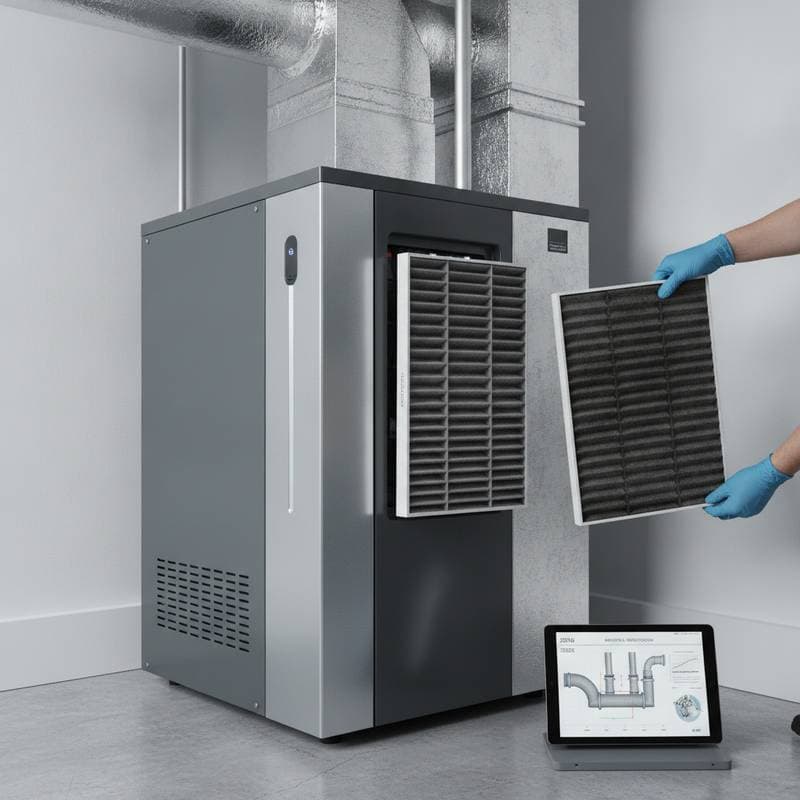
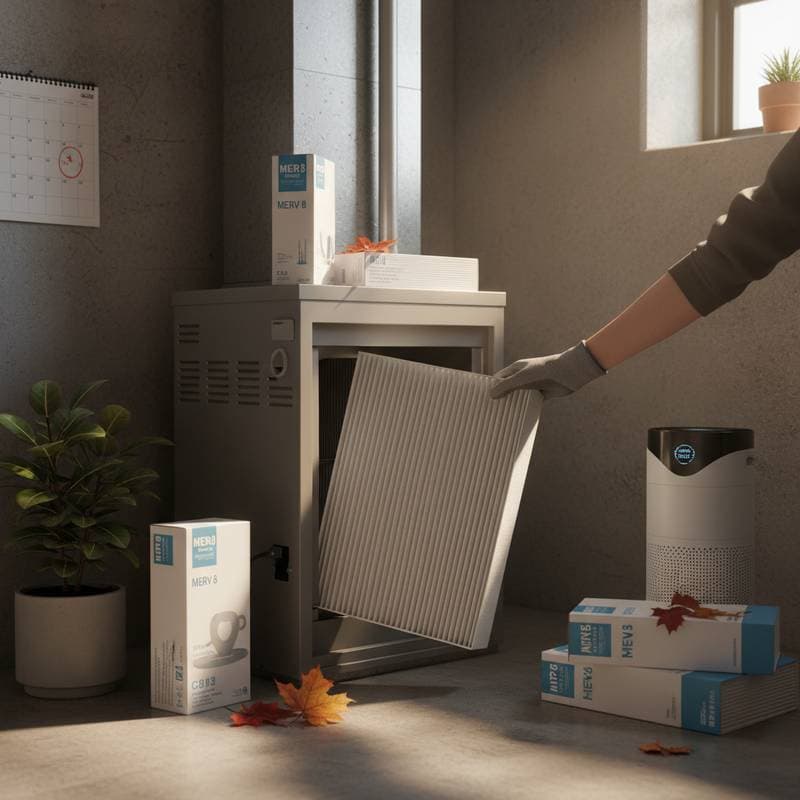
A home feels more inviting as temperatures drop, yet that warmth relies on a vital component of the HVAC system that receives little attention: the air filter. Homeowners often overlook or postpone replacement, unaware of the impact on performance, efficiency, and health. Fall presents an ideal opportunity to install a new filter, just as the furnace prepares for increased demand. This guide details the importance of timely changes, evaluates top filter types, and provides steps to select the optimal option for the home.
Why Fall Marks the Ideal Time for Filter Replacement
Throughout summer, the HVAC system draws in air laden with pollen, dust, and particles. As cooler weather sets in, the furnace activates more frequently, recirculating indoor air for extended durations. A clogged filter impedes this process, compelling the system to exert extra effort, consume additional energy, and accelerate component wear. Installing a fresh filter prior to heating season ensures unrestricted airflow, enhances air quality, and safeguards the equipment.
Essential Guidance
Replace HVAC filters every one to three months, and initiate the heating season with a new one. A clear filter allows the system to operate without hindrance, sustains even temperatures, and alleviates stress on the blower motor. It also prevents dust from dispersing via vents, reducing housekeeping demands and allergen exposure.
Impacts of a Clogged Filter on System Performance
A dirty filter extends beyond unpleasant odors; it compromises efficiency, comfort, and durability.
- Diminished airflow: Accumulated dust obstructs passage, overtaxing the fan motor.
- Inconsistent heating: Limited circulation creates temperature variations across rooms.
- Elevated energy costs: The system runs extended cycles to overcome restrictions.
- Accelerated wear: Components such as fan motors and heat exchangers degrade prematurely.
- Compromised air quality: Particles evade capture and redistribute through the home.
Key Implications
A moderately soiled filter can elevate energy consumption by as much as 15 percent. This added burden raises monthly expenses and heightens the risk of costly repairs. Timely replacement stands as a primary strategy for upholding HVAC reliability.
Decoding Filter Ratings and Terminology
Selecting an effective filter requires familiarity with evaluation standards. The predominant metric, MERV (Minimum Efficiency Reporting Value), quantifies particle capture across size ranges.
| MERV Rating | Particle Size Captured | Typical Use | Notes |
|---|---|---|---|
| 1 to 4 | Larger than 10 microns (dust, lint) | Basic residential | Minimal filtration, low cost |
| 5 to 8 | 3 to 10 microns (mold spores, pet dander) | Standard home use | Good balance of airflow and filtration |
| 9 to 12 | 1 to 3 microns (fine dust, pollen) | Homes with allergy concerns | Better air quality, may reduce airflow slightly |
| 13 to 16 | 0.3 to 1 micron (bacteria, smoke) | Hospitals or high-sensitivity environments | Excellent filtration, may require stronger fan |
For typical residences, filters rated MERV 8 to 12 strike an effective equilibrium. Elevated ratings trap finer particles yet may impede airflow in systems not equipped for them. Consult the HVAC manual or a technician before exceeding MERV 12.
HVAC Filter Types and Optimal Applications
Filters vary in construction, efficacy, and upkeep. Each type suits specific scenarios based on material and design.
1. Fiberglass Filters
Description: These disposable units feature spun glass fibers within a cardboard frame.
MERV Rating: 1 to 4
Best For: Budget-conscious setups prioritizing airflow over advanced capture.
Cost Range: 1 to 3 dollars per unit.
Pros: Affordable and readily obtainable.
Cons: Limited to coarse particles; inadequate for allergen management.
2. Pleated Filters
Description: Folded polyester or cotton layers expand surface area for particle retention.
MERV Rating: 8 to 13
Best For: Contemporary households seeking reliable performance.
Cost Range: 5 to 20 dollars, influenced by depth.
Pros: Effective against dust, pollen, and dander while preserving airflow.
Cons: Demands periodic checks due to moderate resistance.
3. Electrostatic Filters
Description: Static charge draws particles; options include disposable and reusable variants.
MERV Rating: 8 to 10
Best For: Environments with pets or tobacco use.
Cost Range: 10 to 30 dollars for disposables; 30 to 100 dollars for reusables.
Pros: Superior fine-particle adhesion; reusables offer long-term savings.
Cons: Reusables require thorough drying post-cleaning to prevent microbial growth.
4. HEPA Filters
Description: Engineered for superior particulate removal in specialized settings.
MERV Rating: 17 to 20 equivalent.
Best For: Residences with severe allergies or respiratory issues.
Cost Range: 30 to 100 dollars or higher.
Pros: Eliminates 99.97 percent of airborne contaminants.
Cons: Excessive restriction for unmodified residential systems; professional adaptation often necessary.
5. Carbon Filters
Description: Incorporate activated carbon to neutralize odors and chemicals.
MERV Rating: 8 to 12, augmented by odor control.
Best For: Cooking areas, smoking homes, or odor-prone spaces.
Cost Range: 15 to 40 dollars.
Pros: Neutralizes volatile compounds efficiently.
Cons: Frequent replacement advised in high-odor conditions.
Selecting the Appropriate Filter for Seasonal Transition
Choices hinge on household dynamics and equipment specifications. An advanced filter that curtails airflow may undermine comfort and longevity if incompatible.
Step 1: Determine Filter Dimensions
Assess the current filter's length, width, and thickness. Standard sizes encompass 16 by 20 by 1 inches, 20 by 25 by 1 inches, and 20 by 30 by 1 inches. Precision matching prevents leaks that allow unfiltered air entry.
Step 2: Verify Equipment Suitability
Examine the furnace panel or manual for recommended ratings. Adhere to limits, such as MERV 12 maximum, to avert inefficiencies or damage. Seek professional advice for upgrades.
Step 3: Align with Home Requirements
- Pet owners: Opt for pleated or electrostatic models at MERV 11 or above.
- Allergy or asthma sufferers: Select MERV 12 or superior, potentially incorporating carbon or HEPA adaptations.
- Low-dust settings: MERV 8 pleated filters prove sufficient.
- Odor issues: Integrate carbon-enhanced options.
Step 4: Establish Maintenance Routine
Inscribe the installation date on the frame or use calendar alerts.
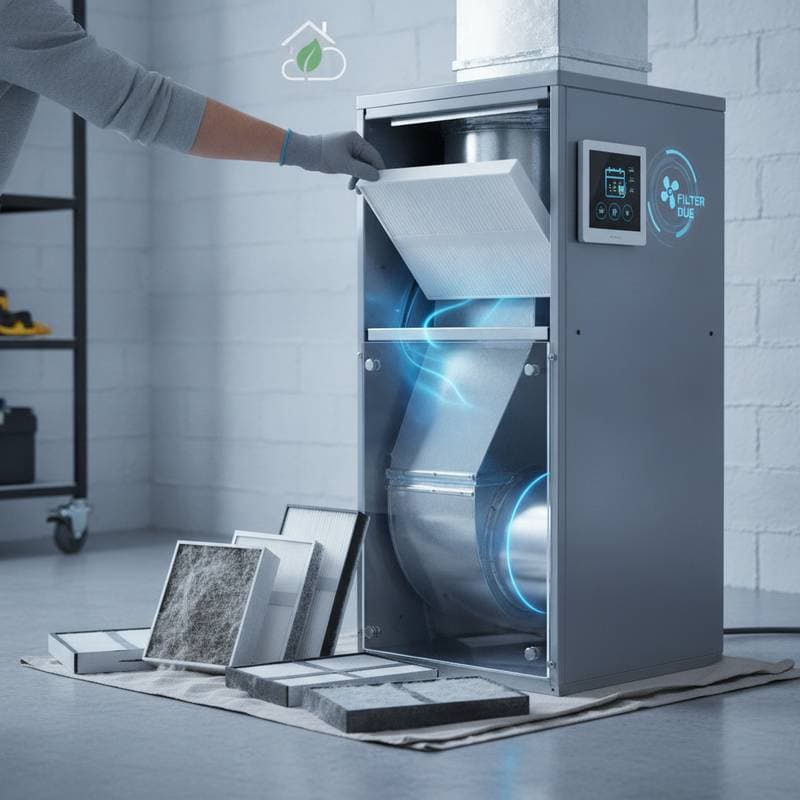
- One-inch filters: Renew every 1 to 2 months.
- Two- to four-inch filters: Renew every 3 to 6 months.
- Reusable filters: Rinse monthly and ensure complete drying.
Accommodating Accessibility and Airflow Needs
Individuals with limited mobility benefit from accessible filter locations. Ceiling-mounted slots pose challenges; professional services can address seasonal replacements. Thicker filters, such as four-inch models, extend intervals between changes, reducing physical effort.
Pitfalls to Sidestep in Filter Care
Homeowners frequently encounter these oversights.
- Incorrect sizing: Measure meticulously; minor discrepancies permit bypass.
- Reversed orientation: Follow airflow arrows for optimal function.
- Excessive MERV selection: Balance filtration with system capacity to avoid motor strain.
- Neglected seasonal timing: Prioritize changes in fall and spring.
- Inadequate reusable cleaning: Full drying prevents mold proliferation.
- Visual-only assessments: Adhere to schedules despite appearances.
- Unsealed installation: Inspect for gaps and apply seals as needed.
Essential Tools for Self-Guided Replacement
This straightforward task benefits from basic preparation.
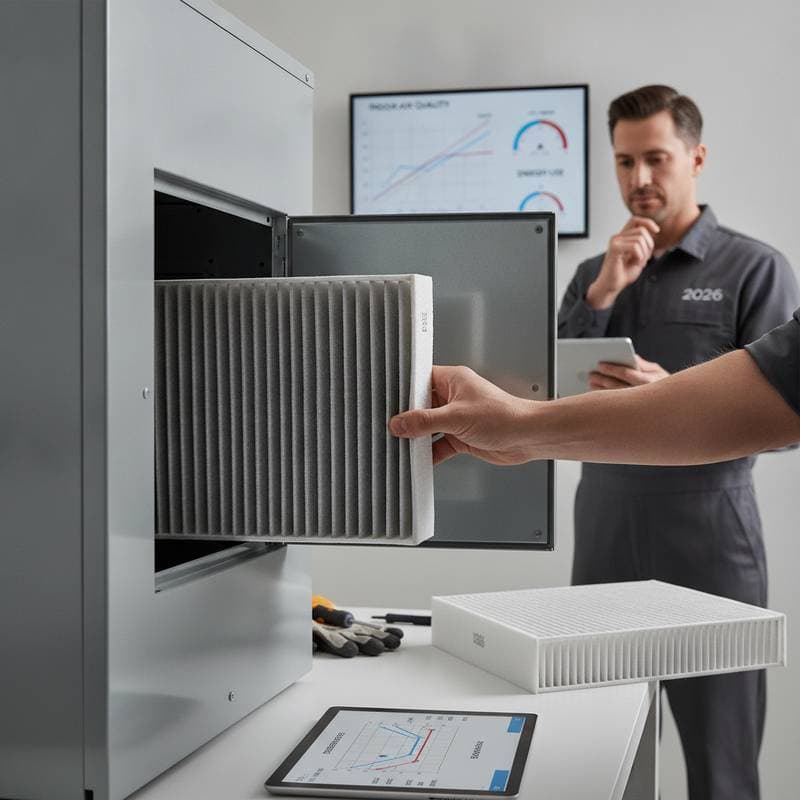
- Flathead screwdriver or nut driver for panel access.
- Vacuum or cloth for housing cleanup.
- Tape measure for size verification.
- Marker for date notation.
- Ladder for elevated vents.
- Flashlight for illumination.
For grille-enclosed filters, a Phillips screwdriver may assist. Power down the system beforehand to minimize dust disturbance.
Indicators for Professional Intervention
Rapid clogging or persistent weak airflow signals underlying issues like duct obstructions or fan misalignment. Engage a certified technician for diagnostics, including static pressure tests, to validate filter compatibility.
Financial and Efficiency Gains from Routine Maintenance
Fresh filters yield tangible returns. The U.S. Department of Energy indicates potential 15 percent reductions in energy use. Seasonal savings accumulate, offsetting filter expenses and averting repairs such as blower replacements (400 to 900 dollars) or heat exchangers (over 1,500 dollars).
Sustained Advantages of Diligent Filtration
Consistent practices foster wellness and efficiency. Filters trap irritants, shield coils from debris, and prolong duct cleanliness. This approach minimizes cleaning needs and promotes stable indoor conditions year-round.
Implementing Seasonal Filter Care
Schedule the change now to prepare for winter. Select based on needs, install correctly, and monitor performance. These steps ensure reliable heating, cleaner air, and lower costs throughout the season.