Essential AC Maintenance Checks to Conquer Summer Heat
A reliable air conditioner transforms a sweltering summer into a season of comfort. As temperatures rise, the system must operate efficiently to maintain cool indoor spaces without inflating energy expenses. Conducting a thorough inspection before peak heat arrives prevents unexpected failures, improves air quality, and prolongs equipment longevity. This guide outlines critical checks and practical routines to ensure optimal performance during the warmest months.
Perform a Comprehensive Visual Inspection
Begin by examining the outdoor unit for visible problems. Ensure the area around it remains free of debris such as leaves, grass, or dirt, providing at least two feet of clearance on all sides to facilitate proper airflow. Straighten any bent fins using a fin comb, handling them carefully to avoid damage.
Next, inspect the indoor unit for moisture accumulation or rust at the base. Pooled water near the air handler often indicates a blocked condensate drain, which can lead to mold and structural issues if unaddressed. Start the system and listen for abnormal sounds; grinding or rattling may point to loose components or motor strain, warranting immediate attention.
Clean or Replace the Air Filter Regularly
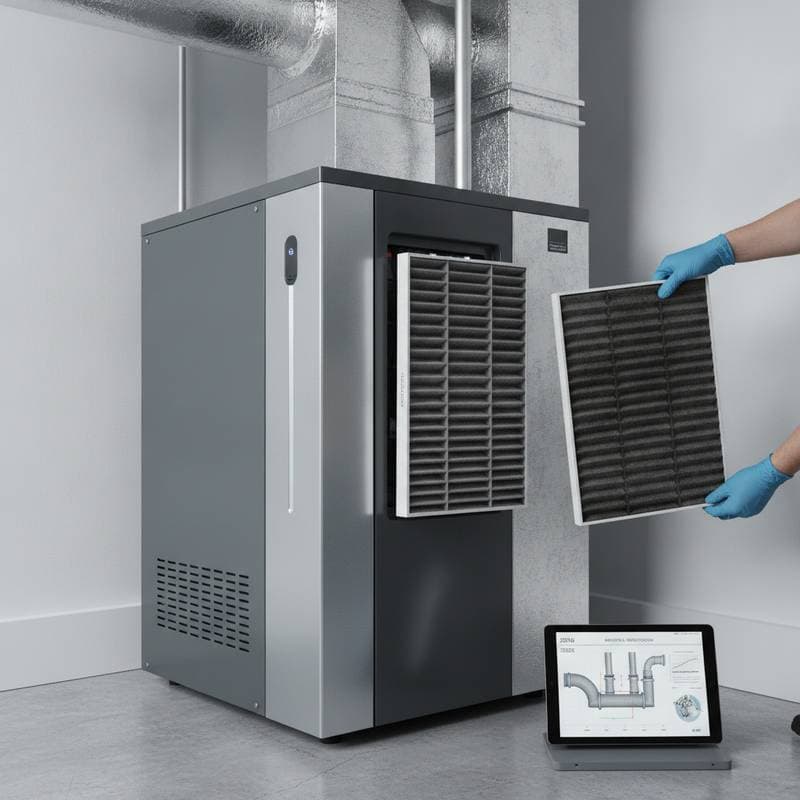
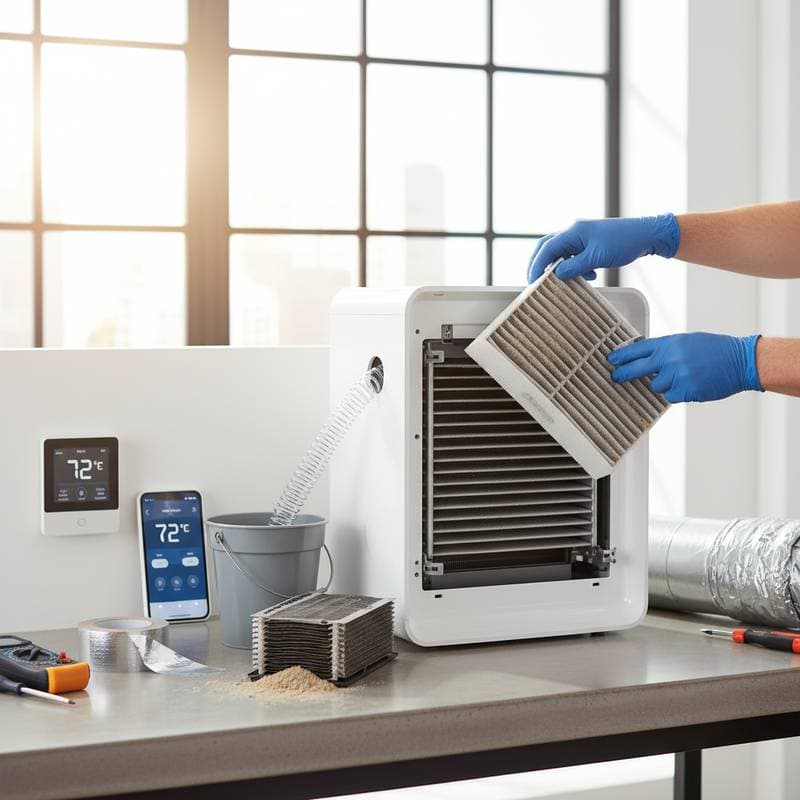
A clogged filter impedes airflow, forcing the AC to labor excessively and consume more power while accelerating wear. Inspect the filter monthly during intensive use; replace it if dust or gray residue covers the surface. Individuals with pets or allergies should check more frequently to maintain superior air quality.
Select a filter compatible with your unit's dimensions and requirements. Options with higher MERV ratings capture smaller particles effectively, yet overly dense filters might hinder airflow. A balanced mid-range filter promotes both filtration and efficiency, potentially reducing energy use by up to 15 percent.
Verify Thermostat Configuration
The thermostat dictates the AC's operational efficiency. Set it to cooling mode and ensure the fan operates on auto rather than continuous. This configuration activates the fan only alongside the compressor, conserving electricity.
Replace batteries in battery-powered models at the season's start to prevent malfunctions. Consider upgrading to a smart thermostat for remote access and adaptive scheduling that aligns with daily routines. Proper use of these devices can decrease energy consumption by as much as 20 percent, with professional installation available from local HVAC services if needed.
Inspect and Clean the Condenser Coils
Accumulated dirt on condenser coils impairs heat dissipation, resulting in extended run times and elevated bills. Shut off power to the unit before proceeding. Gently remove the top panel and dislodge surface debris with a soft brush or vacuum equipped with a brush attachment.
For thorough cleaning, apply a specialized coil cleaner to break down stubborn residue, then rinse lightly using a garden hose on low pressure to protect the fins. Oily or adhesive buildup suggests a refrigerant issue, requiring expert intervention. Such leaks compromise performance and pose environmental risks.
Clear the Condensate Drain Line
The AC dehumidifies indoor air, channeling excess moisture through a drain pipe. Blockages from algae or debris can cause overflows and system halts. Locate the drain line adjacent to the indoor unit and flush it with a cup of distilled vinegar every few months to eliminate buildup and inhibit bacterial growth.
If water collects around the air handler base, a clog likely exists, necessitating professional clearing to avoid further complications.
Seal Leaks in the Ductwork
Gaps in ductwork allow cooled air to escape, diminishing effectiveness and prolonging operation. The U.S. Department of Energy estimates that leaks can waste up to 30 percent of conditioned air. Examine accessible ducts in attics, basements, or crawl spaces for separations or damaged insulation.
Repair minor issues with foil-backed tape or mastic sealant applied firmly. For extensive leaks, engage a technician to conduct a pressure test and perform comprehensive sealing, restoring full system potential.
Assess Refrigerant Levels
Insufficient refrigerant leads to inadequate cooling and frost formation on coils. Levels should remain stable absent a leak; do not attempt to add refrigerant independently. Symptoms like inconsistent temperatures or hissing noises indicate a problem—summon a certified HVAC professional promptly.
The expert will identify the leak source, execute repairs, and restore proper charge using appropriate equipment and certifications.
Test Electrical Components
Faulty wiring or connections can trigger intermittent operation or total failure. Disconnect power prior to any examination of panels or housings. Search for signs of corrosion, discoloration, melted wires, or unusual odors.
Cease inspection and contact a specialist if irregularities appear. Annual professional tune-ups typically involve securing connections, verifying voltage, and evaluating capacitors, offering cost-effective prevention against major breakdowns.
Arrange a Professional Tune-Up
Homeowner efforts provide a strong foundation, yet an expert annual review uncovers hidden issues. Technicians delve into internal components, calibrate airflow, and verify refrigerant integrity. Opt for maintenance contracts that guarantee expedited service during high-demand periods.
Request a detailed report post-service to monitor progress and substantiate warranty applications. Systems receiving regular care often endure 30 percent longer than neglected ones.
Sustain Peak Performance Year-Round
After optimizing your AC, adopt habits that enhance longevity and efficiency. Draw blinds during intense sunlight to minimize heat entry, and employ ceiling fans to distribute air evenly, permitting a modest thermostat increase without sacrificing comfort.
For aging units prone to repairs, plan for replacement with energy-efficient models featuring variable-speed technology that modulates output precisely. Proactive maintenance today averts summer disruptions tomorrow, delivering a cool, cost-effective home environment.