
Essential Fall Chimney Preparation for Safety and Efficiency
As temperatures drop and thoughts turn to warm fires, homeowners must prioritize chimney maintenance. Proper preparation reduces fire hazards, enhances heating performance, and preserves the structure for years. Neglect in this area often results in expensive repairs or dangerous situations during peak usage.
This comprehensive guide outlines key steps for fall chimney care. It progresses from initial assessments to final safeguards, equipping readers with knowledge for either self-managed tasks or informed professional hires. Follow these measures to enjoy a secure and efficient season.
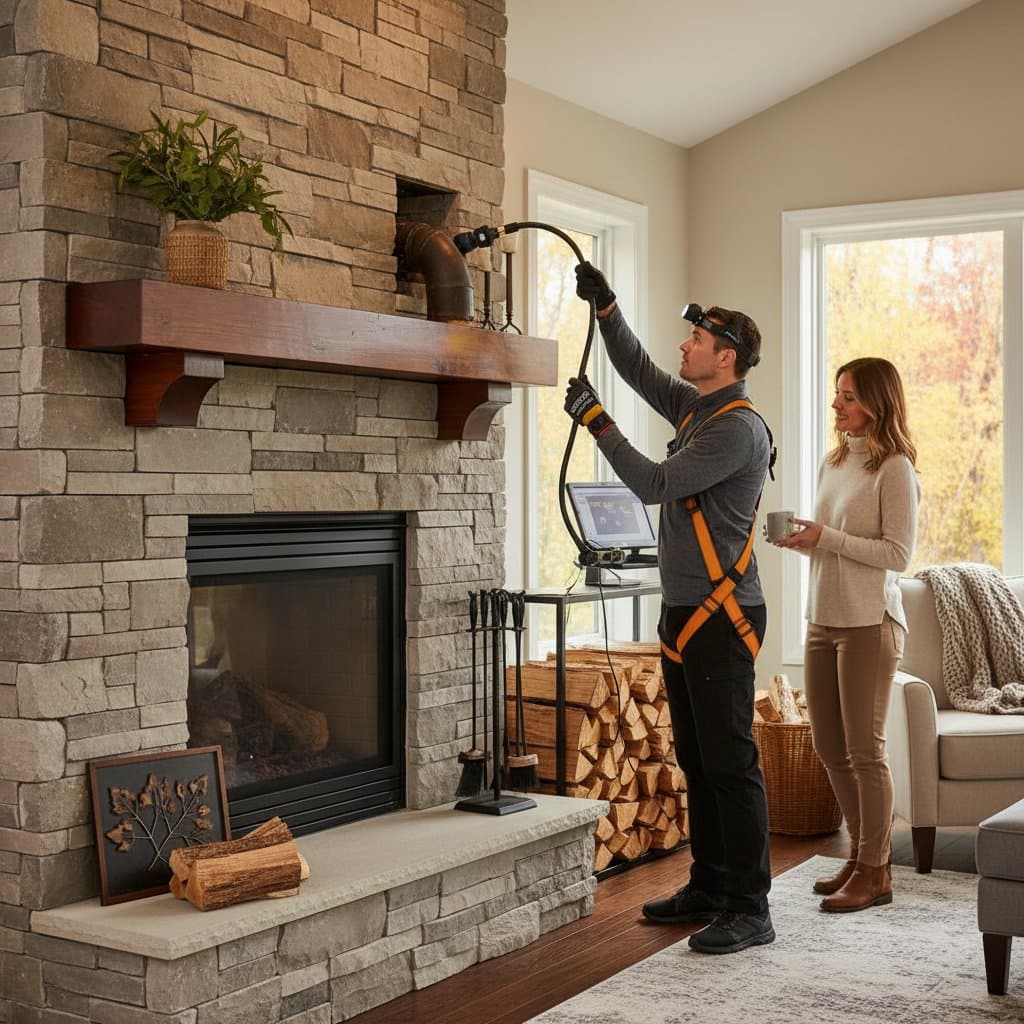
Step 1: Schedule a Professional Chimney Inspection
Begin with a thorough evaluation by a certified chimney professional. Such experts detect issues like structural weaknesses, obstructions, or concealed deterioration that casual observation misses. The Chimney Safety Institute of America advises an annual inspection for every fireplace, irrespective of usage frequency.
Inspectors examine several critical areas, including cracks in the flue lining, accumulations of creosote and soot, damaged or absent chimney caps, blockages from nests or debris, and airflow efficiency. Significant creosote buildup necessitates immediate cleaning. Costs for inspection and basic sweeping typically range from one hundred to three hundred dollars, varying by location and chimney dimensions. This investment proves economical compared to the expenses of fire-related damage.
Step 2: Perform a Comprehensive Chimney Cleaning
After inspection, address any creosote deposits through professional sweeping. Creosote, a flammable byproduct of wood burning, accumulates in the flue and poses a primary fire risk if ignored. Regular cleaning removes these layers, restoring safe operation and optimal draft.
Professionals use specialized brushes, vacuums, and tools to scour the entire chimney system, from the firebox to the cap. For homes with frequent fireplace use, cleaning twice yearly may prove necessary. Homeowners attempting DIY cleaning should equip themselves with protective gear and long-reach tools, though professionals ensure complete removal without residue spread. Expect the process to take one to two hours, leaving the chimney ready for safe fires.
Step 3: Inspect and Repair the Chimney Cap and Crown
The chimney cap serves as a barrier against rain, debris, and wildlife entry into the flue. Exposure to weather causes rust or loosening over time, permitting water intrusion. Such moisture accelerates masonry breakdown, a leading cause of chimney failure.
Similarly, the crown, the concrete slab encircling the flue top, protects against water penetration into bricks. Inspect both using binoculars from ground level or engage a specialist for roof access. Search for fractures, eroded mortar, or corrosion signs. Prompt repairs prevent escalation; a new stainless steel or copper cap installation ranges from fifty to two hundred dollars and averts substantial future costs.
Step 4: Address Structural Repairs and Flue Integrity
Examine the chimney's exterior and interior for damage requiring attention. Cracked mortar joints, spalling bricks, or flue liner deterioration demand repair to maintain stability and prevent leaks. Water damage often underlies these problems, underscoring the need for timely intervention.
Tuckpointing restores mortar integrity, while relining the flue with metal or clay pipes safeguards against heat and corrosion. Professionals assess severity and recommend solutions, such as partial rebuilds for minor issues or full reconstruction for extensive wear. Budget two hundred to one thousand dollars for common repairs, depending on scope. These actions not only enhance safety but also comply with building codes in many regions.
Step 5: Test the Damper and Smoke Detectors
Verify damper functionality before initial use. This metal plate controls airflow and seals the chimney when the fireplace remains unused, conserving energy. A malfunctioning damper leads to heat loss or drafts; test by opening and closing it fully.
If movement resists, clean surrounding areas and apply lubricant rated for high temperatures. Complement this with smoke and carbon monoxide detector checks. The National Fire Protection Association recommends monthly testing and replacement every five to ten years. Install fresh batteries and confirm alarms sound clearly; position detectors near sleeping areas and the fireplace for maximum protection.
Step 6: Prepare Firewood and Fuel Storage
Select and store firewood properly to minimize creosote formation and ensure clean burning. Opt for seasoned hardwoods like oak or maple, which have dried for at least six months to achieve less than twenty percent moisture content. Green or wet wood produces excess smoke and residue, heightening risks.
Store logs off the ground in a covered, well-ventilated area to prevent mold and insect infestation. Stack no closer than eighteen inches to the home's exterior to avoid pest entry or fire spread. For gas fireplaces, inspect lines and valves annually with a professional to detect leaks. These practices promote efficient combustion and reduce maintenance needs.
Step 7: Seal and Waterproof the Chimney Exterior
Protect the chimney's brickwork with a breathable sealant that repels water while allowing vapor escape. This treatment combats freeze-thaw damage common in colder climates, often extending masonry lifespan significantly. Select chimney-specific products that withstand heat and weather extremes, avoiding general-purpose sealants.
Preparation involves cleaning the surface thoroughly and ensuring complete dryness. Apply sealant via spray or brush in two even coats, following manufacturer guidelines for curing time. Professionals handle this efficiently, often completing the job in under a day. The barrier typically endures three to five years, requiring reapplication based on exposure.
Advanced Strategies for Lasting Chimney Performance
Maintain a detailed log of all inspections, cleanings, and repairs to monitor patterns and schedule future work. Observe smoke behavior during test fires; indoor spillage signals blockages or draft problems warranting further checks. Avoid chemical log cleaners, as they merely dislodge creosote without full removal, potentially worsening buildup.
Install caps featuring spark arrestors to contain embers and protect surrounding areas. For substantial repair proposals, seek a second professional opinion to validate recommendations. Integrate these habits into annual routines, consulting local codes for additional requirements. Such diligence ensures your chimney remains a reliable asset, delivering warmth without worry through many seasons.




