Understanding Greywater Systems in 2026
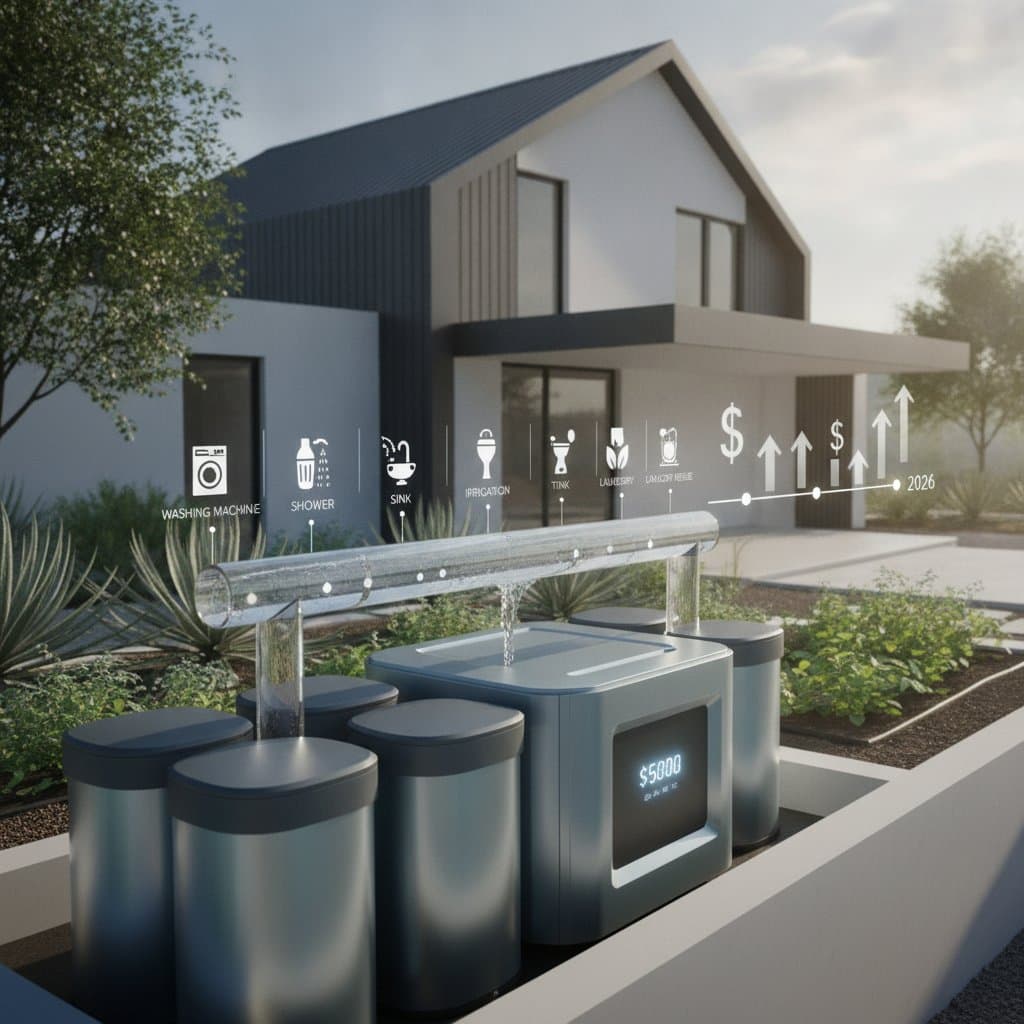
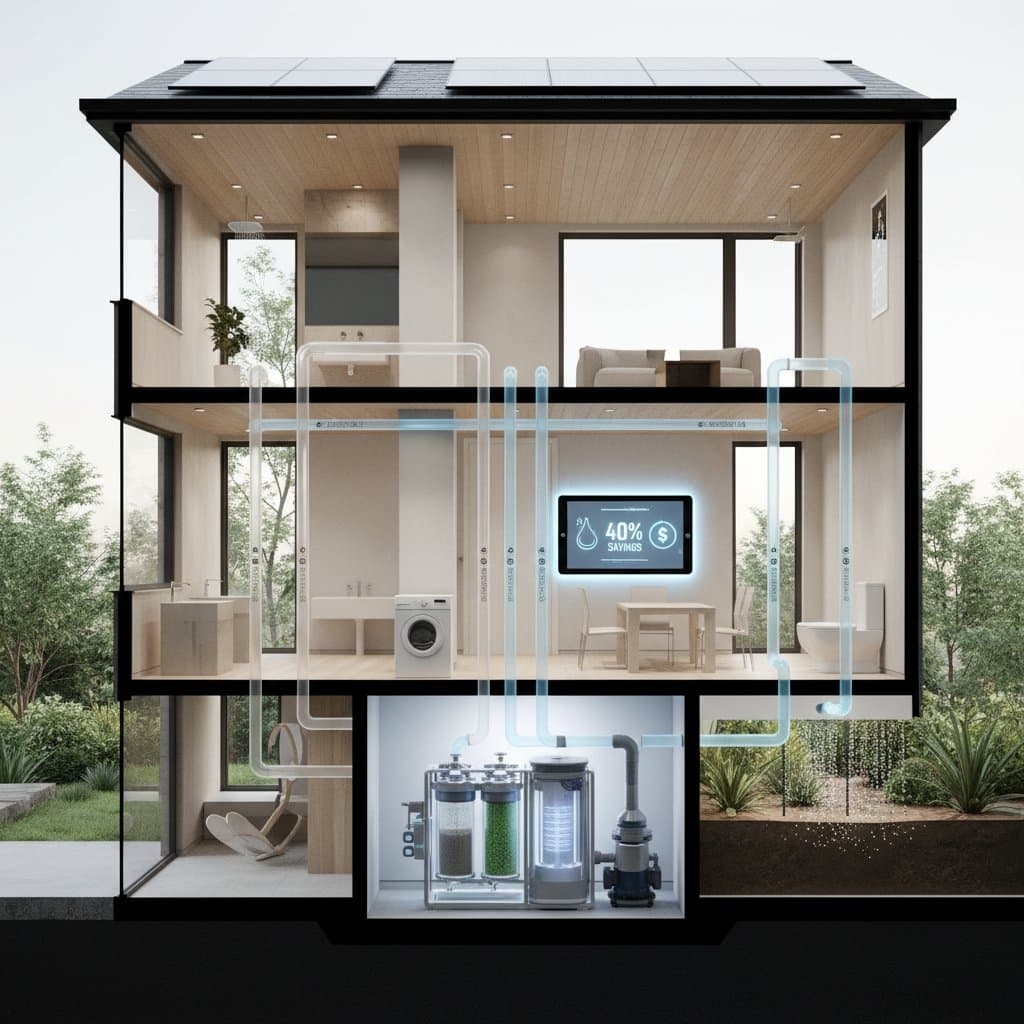
Homeowners increasingly focus on water conservation amid rising utility rates and environmental concerns. Greywater systems capture wastewater from sources such as showers, sinks, and washing machines, then redirect it for non-potable uses like garden irrigation or toilet flushing. These setups reduce freshwater demand, lower monthly bills, and align with sustainability goals.
Projected costs in 2026 vary based on system complexity, but average installations range from $500 for basic DIY configurations to $10,000 for advanced professional models with smart monitoring. Savings potential reaches 30 to 50 percent on water usage, depending on household size and local rates. This article examines system mechanics, regulatory compliance, installation choices, and maintenance strategies to help you evaluate the investment.
Evaluating Your Property for Greywater Integration
A successful greywater system starts with a thorough assessment of your home and landscape. Consider plumbing configuration, soil conditions, water output, and compatibility with current infrastructure to ensure efficient operation.
Plumbing Configuration
Optimal setups feature bathrooms or laundry areas adjacent to gardens or reuse zones. Short pipe runs minimize energy needs for pumping and reduce material expenses. Map existing drains to identify diversion points, ensuring minimal disruption to daily routines.
Soil and Landscape Suitability
Well-draining soils, such as sandy or loamy types, absorb greywater effectively and prevent stagnation. Avoid heavy clay soils, which may require additional aeration or mulch layers to manage moisture. Implement subsurface drip lines for even distribution, particularly in sloped yards, to optimize plant health and system performance.
Daily Greywater Production
Calculate output by tracking household habits: an average adult generates 20 to 50 gallons of greywater per day from bathing and laundry. Families of four might produce 150 to 300 gallons daily, informing tank sizes from 50 to 200 gallons. Use online calculators or water meters for precise estimates to avoid undersized or oversized components.
Integration with Other Water Systems
Pair greywater with rainwater harvesting for hybrid efficiency, but maintain separate lines to avoid cross-contamination. Verify that irrigation controllers can handle multiple inputs, and install check valves to safeguard potable supplies. This approach extends system versatility without compromising safety.
Navigating Permits and Building Codes
Local regulations govern greywater installations to ensure public health and environmental protection. Most jurisdictions mandate permits for systems involving treatment or storage, with processes designed to verify safe design and execution.
Permit Application Process
- Prepare a detailed schematic illustrating pipe paths, filtration units, and dispersal zones.
- Include specifications for pumps, tanks, and treatment methods to demonstrate compliance.
- Arrange for on-site inspections at key stages, such as rough-in and final activation.
Simple laundry-to-landscape designs often receive streamlined approvals or exemptions if they adhere to basic guidelines. More intricate systems, including those with subsurface reuse or storage, undergo rigorous evaluation to confirm reliability.
Key Regulatory Constraints
Discharge must remain contained within property boundaries to prevent runoff. Use buried emitters for areas near edible plants to minimize health risks. Label all non-potable components clearly, and incorporate dual-check assemblies to block backflow into clean water lines. Consult your municipal office early to align with evolving 2026 standards, which emphasize energy-efficient components.
Choosing Between DIY and Professional Installation
Decide on installation based on project scope, skill level, and regulatory demands. Both approaches offer viable paths, but each carries distinct considerations for cost and durability.
Ideal Scenarios for DIY Projects
Basic systems diverting laundry water directly to mulch basins suit handy homeowners with accessible plumbing. Complete the work over a weekend using pre-assembled kits, which include diverter valves and filters for under $1,000. Proceed with DIY when codes permit unpermitted setups and the layout involves straightforward outdoor routing. Conduct pressure tests post-installation to detect leaks and ensure proper drainage.
Benefits of Professional Expertise
Engage certified plumbers or irrigation specialists for multi-source systems requiring pumps, UV treatment, or electrical integration. These experts navigate code nuances, install advanced features like automated sensors, and provide warranties against failures. Initial expenses climb to $5,000 or more, yet professionals mitigate risks such as clogs or uneven flow, ensuring consistent performance over 15 to 20 years.
Essential Maintenance Routines
Regular care sustains system efficiency and longevity, preventing costly repairs. Establish a routine tailored to your setup's components and local climate.
Perform monthly inspections for leaks, unusual odors, or surface pooling, and rinse inlet screens to remove debris. Seasonally, clear distribution lines with a vinegar solution to dissolve mineral deposits, and monitor irrigated plants for nutrient imbalances. Annually, service pumps and replace media filters, using flow meters to benchmark output against initial projections.
Incorporate digital tools, such as app-based alerts, to log activities and predict service needs. This proactive management keeps operational costs low, often under $100 yearly, while upholding water quality standards.
Accessing Rebates and Financial Incentives
Numerous programs reward water-saving initiatives, potentially covering 20 to 50 percent of upfront expenses. Research utility providers and state agencies for 2026 offerings, which prioritize certified, high-efficiency designs.
Common supports encompass fixed rebates upon verified installation, income tax deductions for eco-upgrades, and waived fees for compliant projects. Compile documentation including blueprints, invoices, and certification forms to expedite claims. These incentives accelerate payback periods to three to five years, enhancing overall return on investment.
Broader Environmental and Community Advantages
Adopting greywater extends beyond personal gains, fostering regional water security. Widespread residential use alleviates pressure on municipal supplies, postponing the need for costly expansions.
Environmental specialist Laura Jenkins notes that areas with robust greywater adoption can preserve up to 15 percent more local water resources without additional infrastructure. Such practices bolster ecosystem resilience, support biodiversity in landscapes, and mitigate drought impacts. Communities benefit from reduced wastewater volumes, easing treatment burdens and promoting collective sustainability.
Safeguarding and Enhancing Your System
Treat your greywater installation as an evolving asset integrated into home infrastructure. Maintain comprehensive records of permits, service logs, and modifications to facilitate future adjustments or resale.
Eco-conscious buyers value documented systems for their cost efficiencies and green credentials, potentially increasing property appeal by 5 to 10 percent. Upgrade periodically with innovations like IoT-enabled monitoring or bio-filters to adapt to changing needs. This ongoing commitment ensures the system delivers sustained value amid advancing water management trends.
Realizing Savings Through Strategic Implementation
Greywater systems deliver tangible financial and ecological returns when planned meticulously. Anticipate 2026 water bill reductions of $200 to $500 annually for moderate households, scaling with usage patterns. Focus on compliant, low-maintenance designs to capture these benefits fully, transforming wastewater into a cornerstone of household resilience and resource stewardship.