Understanding Greywater Systems for 2026 Installations: Costs, Permits, and Savings
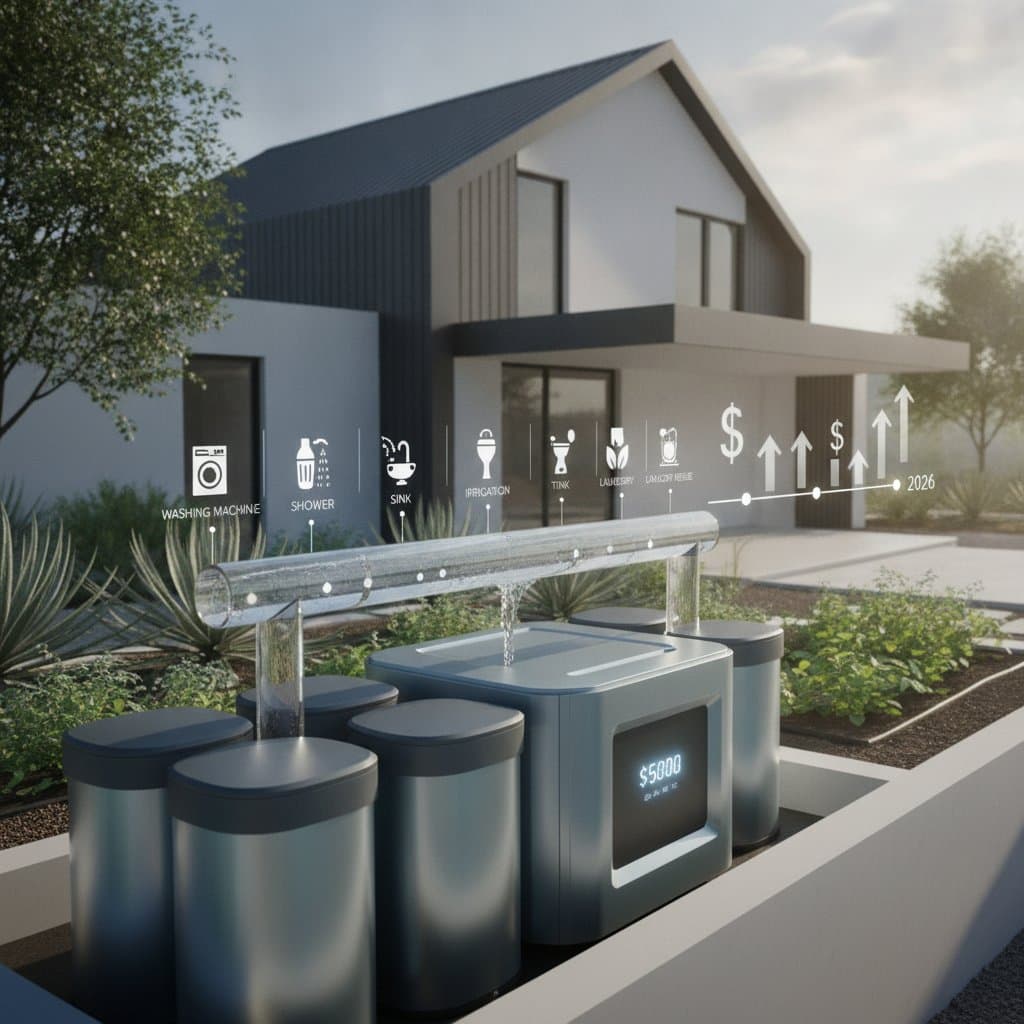
Water costs continue to rise, and environmental concerns prompt homeowners to explore innovative conservation methods. Greywater systems capture and repurpose mildly used water from sources such as sinks, showers, and laundry machines for tasks like garden irrigation or toilet flushing. These setups not only decrease utility expenses but also lessen demand on municipal water resources and promote ecological balance.
Homeowners benefit from grasping the full scope of greywater integration, including financial outlays, regulatory hurdles, and projected financial returns. This resource outlines system components, pricing structures, permitting processes, and strategies for evaluating viability. Individuals contemplating a self-directed project or expert assistance will gain clarity to proceed confidently.
Breaking Down Greywater Installation Costs
Simple Diversion Setups
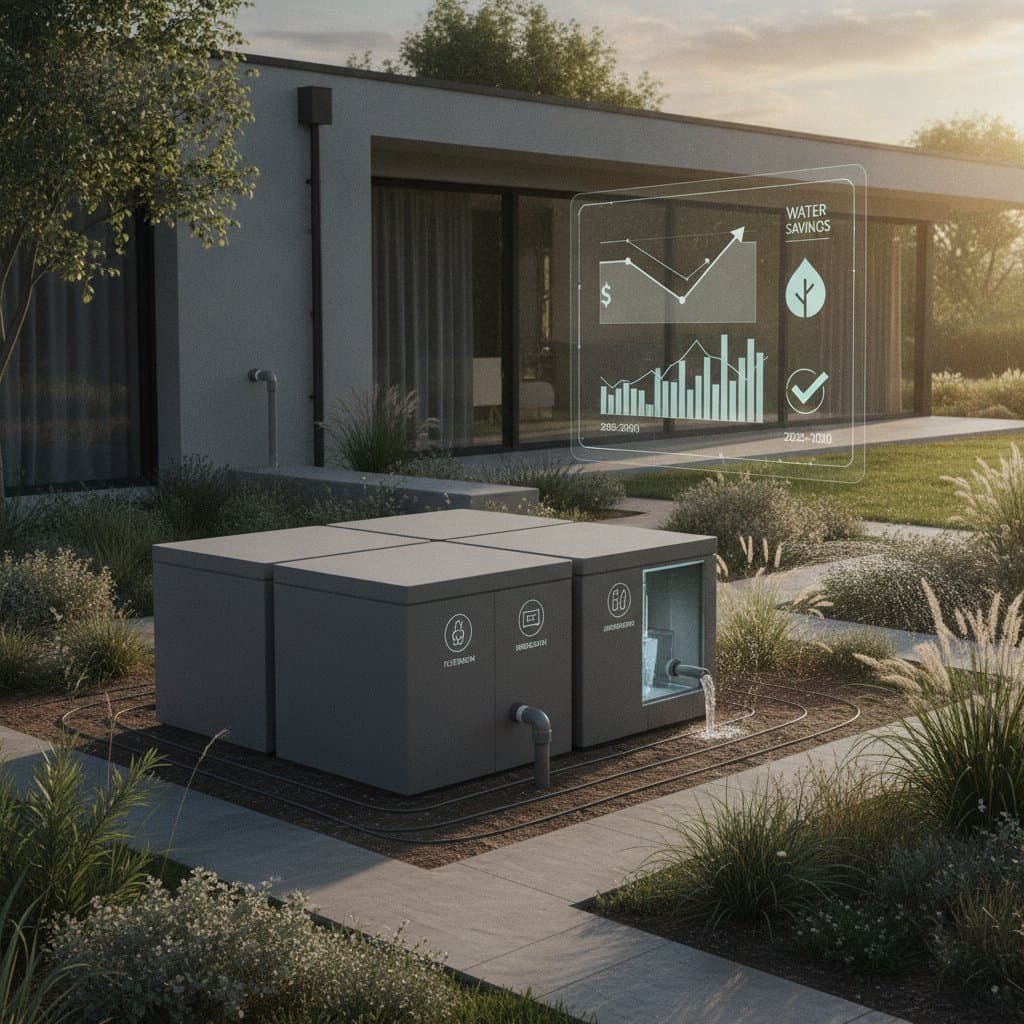
Basic systems that redirect laundry or shower outflow directly to outdoor areas via subsurface pipes typically range from $800 to $2,500. This estimate covers essential elements like diverter valves, basic filters, and connecting conduits, plus labor charges for professional oversight. Those proficient in hands-on tasks may achieve lower expenses through self-installation, though expert involvement guarantees adherence to local plumbing regulations.
Sophisticated Treatment Configurations
Units designed for greywater collection, processing, and indoor applications, such as toilet replenishment, fall between $5,000 and $15,000. Key features include storage reservoirs, multi-stage filtration, circulation pumps, and sanitization mechanisms. Expenses vary based on residence dimensions, existing pipe configurations, and whether the system integrates into fresh construction or adapts to an established structure.
Consulting a licensed plumber or sustainability expert yields precise estimates following a thorough site assessment. Integrating greywater during initial home builds often proves about 30 percent more economical than modifying older properties.
Annual Upkeep and Functional Expenses
Ongoing care for these systems averages $100 to $300 yearly, primarily for filter renewals and routine evaluations. Complex models with advanced purification may necessitate specialist visits one or two times annually. Regular filter cleansing and valve examinations sustain optimal water purity and avert blockages.
Step-by-Step Installation Guide
Initial Site Assessment
Begin by mapping household water consumption patterns and pinpointing viable greywater origins. Laundry effluent presents the simplest reuse option, whereas sink and shower lines might demand additional routing. Analyze terrain gradients and ground permeability to gauge suitability for subsurface dispersal.
Custom System Planning
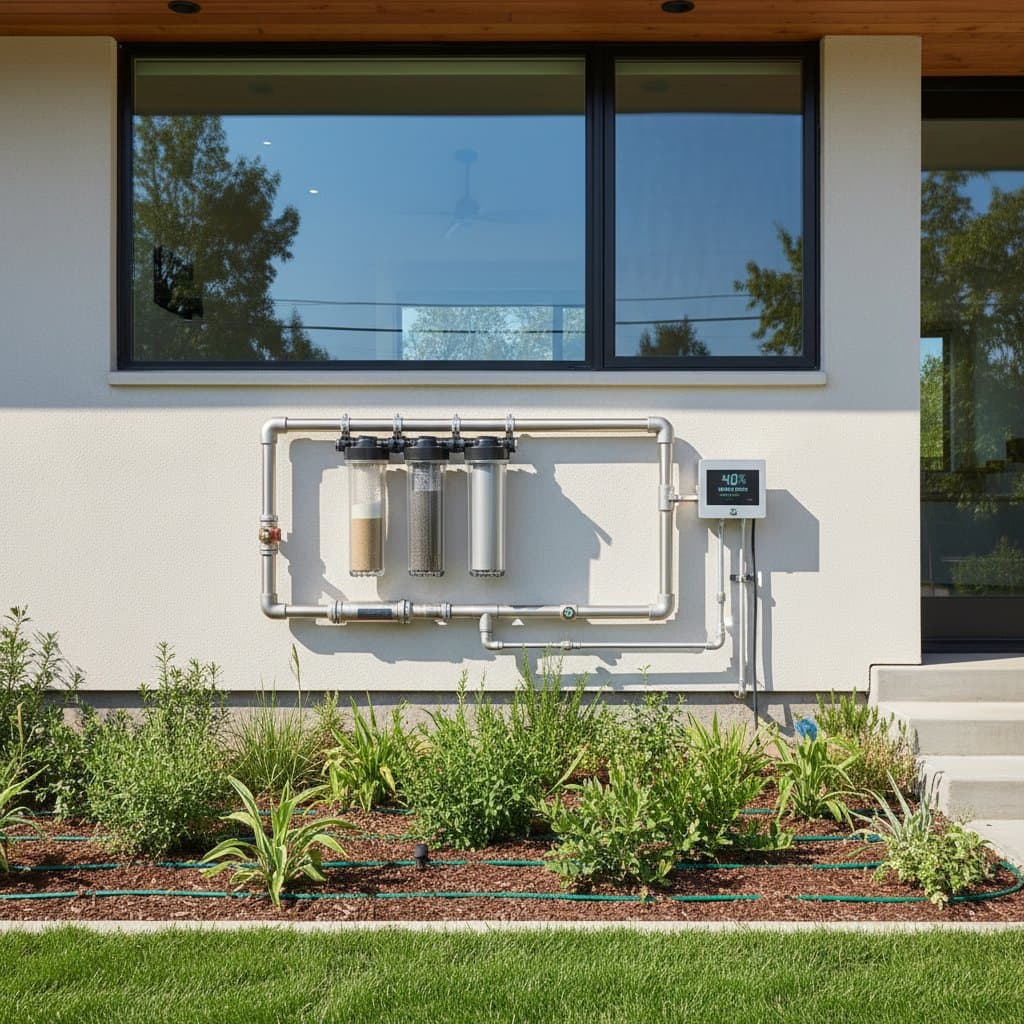
Select a gravity-based diversion or a powered variant with integrated purification. Engage a specialist to draft schematics detailing conduit paths, volume capacities, and distribution areas. For independent efforts, pre-packaged kits offer straightforward components like calibrated hoses and automated switches.
Integrating with Existing Plumbing
Modify pipelines to isolate greywater from wastewater streams. A qualified plumber handles this phase to align with jurisdictional standards. Incorporate toggle valves enabling seamless shifts between reuse modes and conventional drainage.
Adding Filtration and Containment
For retention purposes, deploy sieves to eliminate debris such as strands of hair, fabric fibers, and surfactant remnants. Containment vessels require light-blocking, airtight construction to inhibit microbial proliferation. Pumps ensure steady delivery for applications like lavatory refilling or landscaping hydration.
Final Validation and Oversight
Post-assembly, authorities conduct reviews to confirm adherence to health and safety protocols. Activate the setup by operating domestic appliances and verifying directed flow to designated outlets.
Overcoming Frequent Hurdles
Managing Residues from Cleansers
Greywater frequently carries traces of soaps and detergents. Opt for plant-safe, biodegradable formulas low in salts to safeguard vegetation and earth composition. Many users transition to natural washing agents upon adopting reuse practices.
Addressing Blockages in Components
Accumulations in sieves and controls arise from neglect. Perform frequent rinses or swaps, and install preliminary traps for fiber-intensive sources. Detect reduced throughput early and examine sieves prior to summoning assistance.
Controlling Smells and Stagnancy
Retained volumes risk foul smells if idle beyond 48 hours. Prioritize prompt utilization or add timed purging mechanisms to clear reservoirs. Position vessels in shaded, enclosed spots to curb photosynthetic contaminants.
Adapting to Weather Variations
In rainy phases, route flows to sanitary or absorption fields to avoid landscape saturation. During arid spells, maximize dispersal for optimal resource leverage. Adjustable controls facilitate these adjustments effortlessly.
Insights from Actual Implementations
A documented instance from sustainability publications describes a residential setup with a 300-gallon capacity dedicated to yard nourishment. Within the initial year, overall consumption declined by one-third, yielding robust flora and diminished invoices.
Online tutorials from renovation specialists demonstrate constructing basic laundry diversion networks with budget-friendly assemblies. Such accounts illustrate that thoughtful preparation and vigilance render water recovery accessible to typical residences.
Sustaining Long-Term Performance
With diligent oversight, greywater infrastructures endure for decades. Arrange yearly professional reviews, refresh sieves promptly, and scrutinize seals for integrity. Maintain a record of interventions and conserved volumes to quantify benefits.
Emerging innovations, including enhanced media for purification and digital monitoring, streamline operations. Incorporating sensor-driven automation minimizes hands-on efforts and elevates performance by as much as 20 percent.
Embracing a greywater solution extends beyond expense reduction; it embodies stewardship of essential natural assets. From modest diversions to comprehensive processors, informed choices in design, approvals, and care transform residences into models of efficiency and environmental harmony.