Implementing Home Water Recycling: 2026 Costs and Regulatory Essentials
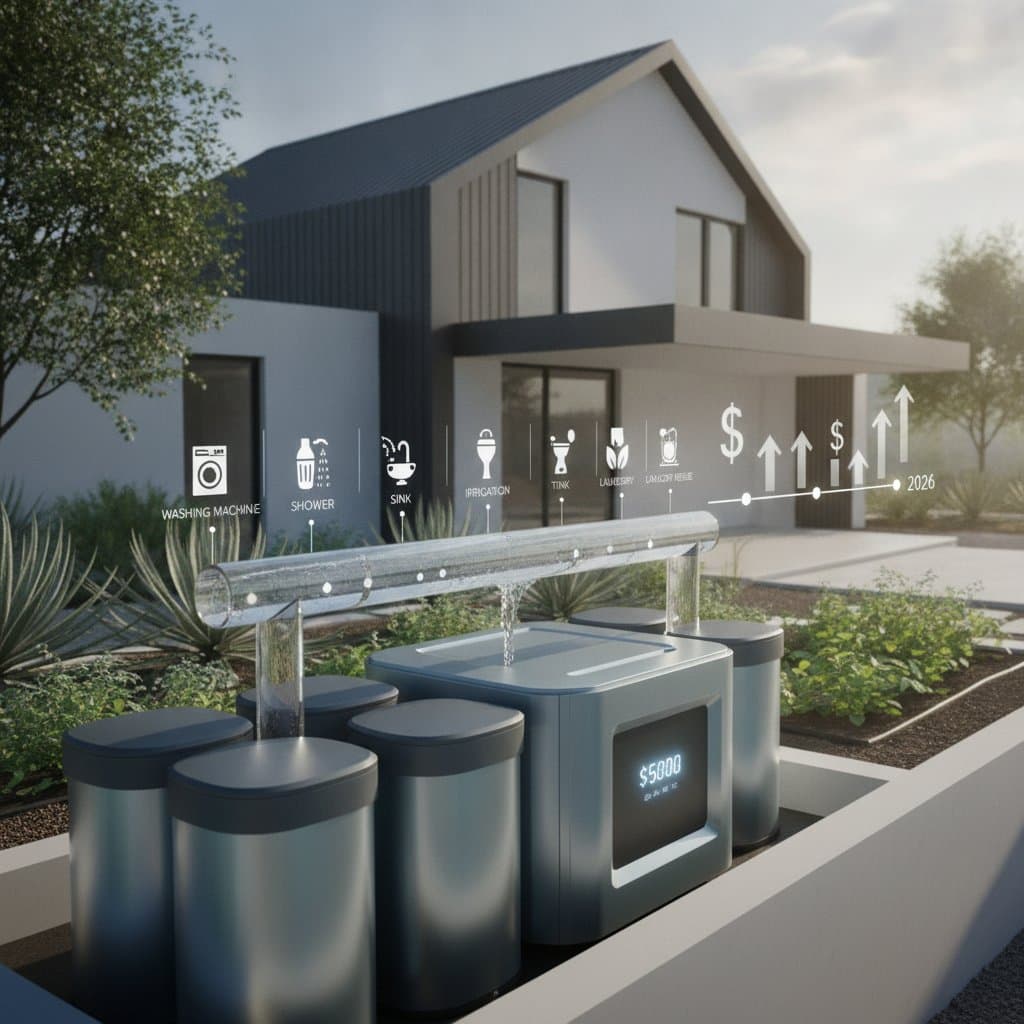
Water scarcity challenges push homeowners toward innovative conservation methods. Greywater systems emerge as a reliable option, capturing and repurposing water from everyday sources like sinks, showers, and washing machines. By integrating such systems, households achieve substantial reductions in overall water demand, often approaching 50 percent savings, while aligning with broader sustainability objectives.
Core Principles of Greywater Systems
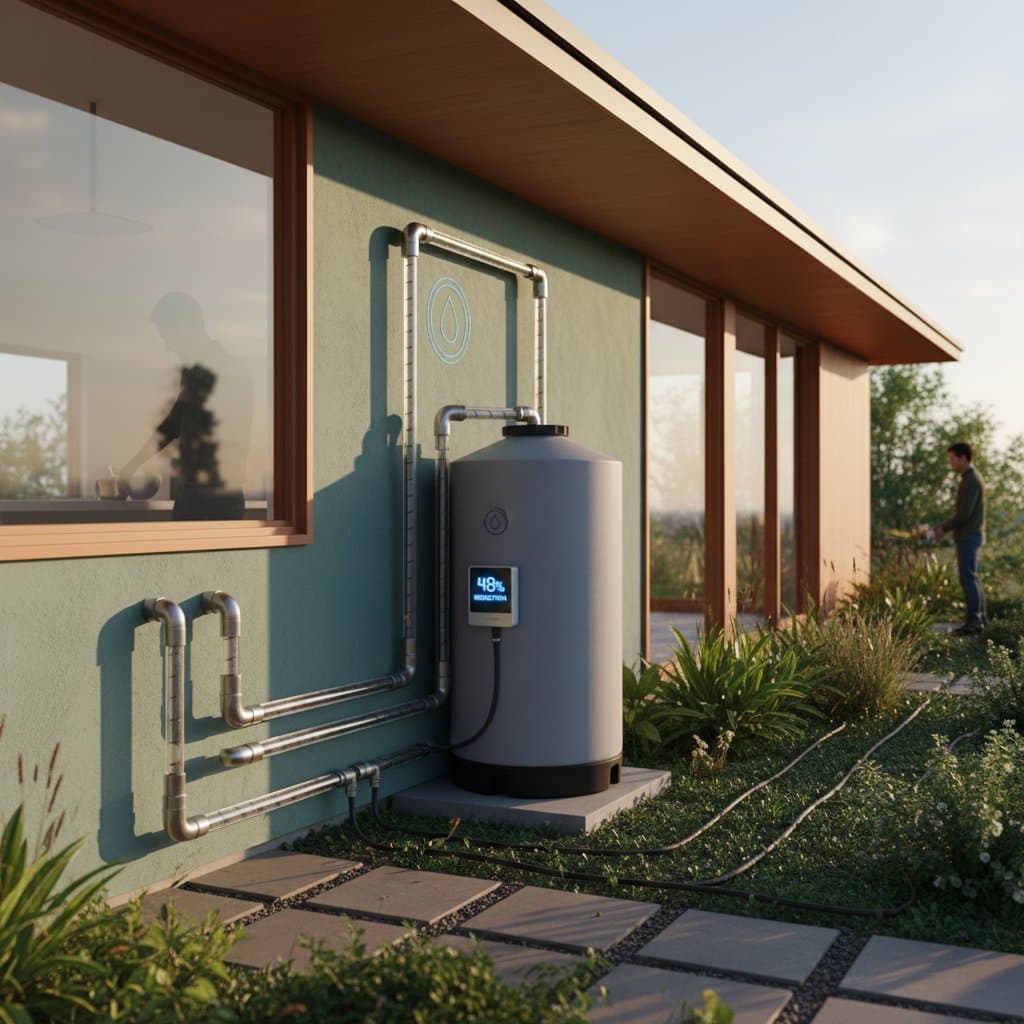
Greywater refers to wastewater generated from non-toilet fixtures, excluding heavily contaminated sources. These systems collect this water, apply basic filtration to remove debris and pathogens, and redirect it for secondary applications such as landscape irrigation or toilet replenishment. Simple configurations rely on gravity to route water through dedicated pipes, bypassing municipal sewers.
Advanced variants incorporate pumps for elevation changes, ultraviolet treatment for disinfection, and storage reservoirs to manage supply fluctuations. The Environmental Protection Agency highlights that effective greywater reuse conserves up to 30,000 gallons annually for a typical four-person household. In arid climates or areas under usage restrictions, benefits extend to quicker financial returns and enhanced garden vitality without additional freshwater inputs.
Detailed Cost Analysis for Residential Installations
Investment in a greywater system varies based on household scale, desired features, and site-specific factors. For a modest setup serving laundry output to nearby landscaping, costs begin at $300 for materials when a homeowner undertakes the assembly. Comprehensive systems covering multiple fixtures, complete with biological treatment and automated controls, range from $2,500 to $6,000 when handled by specialists.
Consider these primary expense drivers:
- Configuration complexity: Basic diversion mechanisms cost under $500, whereas multi-stage treatment units exceed $1,500.
- Capacity and infrastructure: A 100-gallon holding tank adds $400 to $800, including excavation for burial.
- Integration challenges: Retrofitting older homes may require $1,000 in pipe rerouting, compared to $200 for new constructions.
- Regulatory overhead: Permit applications and inspections contribute $150 to $400, depending on jurisdiction.
Overall, initial outlays recover through bill reductions of 20 to 40 percent, with payback timelines of three to seven years. Additional savings arise from alleviated pressure on septic fields or public utilities, potentially extending their lifespan.
Navigating Permits and Building Codes
Local ordinances govern greywater installations to safeguard public health and infrastructure integrity. Most municipalities mandate permits for any indoor plumbing modifications, ensuring separation from potable supplies. Outdoor-only systems, such as those piping directly to gardens, sometimes qualify for exemptions if output adheres to soil percolation standards.
The approval process begins with a detailed schematic submission, outlining components, flow paths, and safety measures. Fees cover plan reviews and on-site verifications, typically totaling under $300. Inspectors verify backflow prevention devices and material certifications, such as NSF-approved filters resistant to bacterial growth.
Engage a certified professional early to interpret codes; for instance, coastal states emphasize salinity controls, while inland regions prioritize overflow management. Compliance avoids fines up to $1,000 and ensures eligibility for rebates in water-conscious programs.
Weighing DIY Against Expert Installation
Greywater projects range from straightforward to technically demanding, suiting various skill levels. A basic gravity diversion for irrigation demands only pipe cutting, valve placement, and trenching, completable in one to two days by an individual familiar with tools. However, systems involving electrical pumps or chemical treatments necessitate engineering input to prevent malfunctions.
Opt for DIY when budgets constrain and the design remains simple; procure kits from reputable suppliers including instructional guides. Risks include improper sealing leading to leaks or regulatory non-conformance, potentially incurring rework costs.
Professional services provide peace of mind through customized assessments, code adherence, and multi-year guarantees. Expect 40 to 60 percent higher fees, offset by streamlined permitting and optimized performance. Many opt for partial self-involvement, such as digging lines, while experts manage core connections.
Essential Maintenance Protocols
Sustained functionality requires proactive care to avert inefficiencies or health hazards. Schedule monthly inspections of filters, rinsing mesh screens to eliminate lint and sediments. Quarterly, drain storage tanks to disrupt algae formation and verify pump operations under load.
Select eco-friendly cleaning agents free of antimicrobials, which could harm soil microbes essential for natural purification. Monitor irrigation endpoints for even distribution, adjusting emitters to avoid over-saturation. Annual professional audits detect subtle issues like pipe corrosion, preserving system longevity beyond a decade.
Realizing Enduring Benefits
A thoughtfully executed greywater initiative transforms water management, yielding consistent savings and ecological contributions. Homeowners gain resilience against rising utility rates and drought mandates. By prioritizing informed setup and diligent oversight, individuals foster resilient landscapes and model responsible resource stewardship for future generations.