Introduction to Greywater Systems
Greywater refers to wastewater from household sources such as sinks, showers, and washing machines, excluding toilet waste. These systems collect and repurpose this water for irrigation or other non-potable uses, promoting water conservation in water-scarce regions. Homeowners increasingly adopt greywater solutions to lower utility bills and enhance environmental sustainability.
Implementing a greywater system requires careful planning due to varying costs and regulatory hurdles. Factors like system scale, installation method, and local laws determine feasibility. This guide examines these elements to equip readers with practical knowledge for decision-making.
Types of Greywater Systems and Their Costs
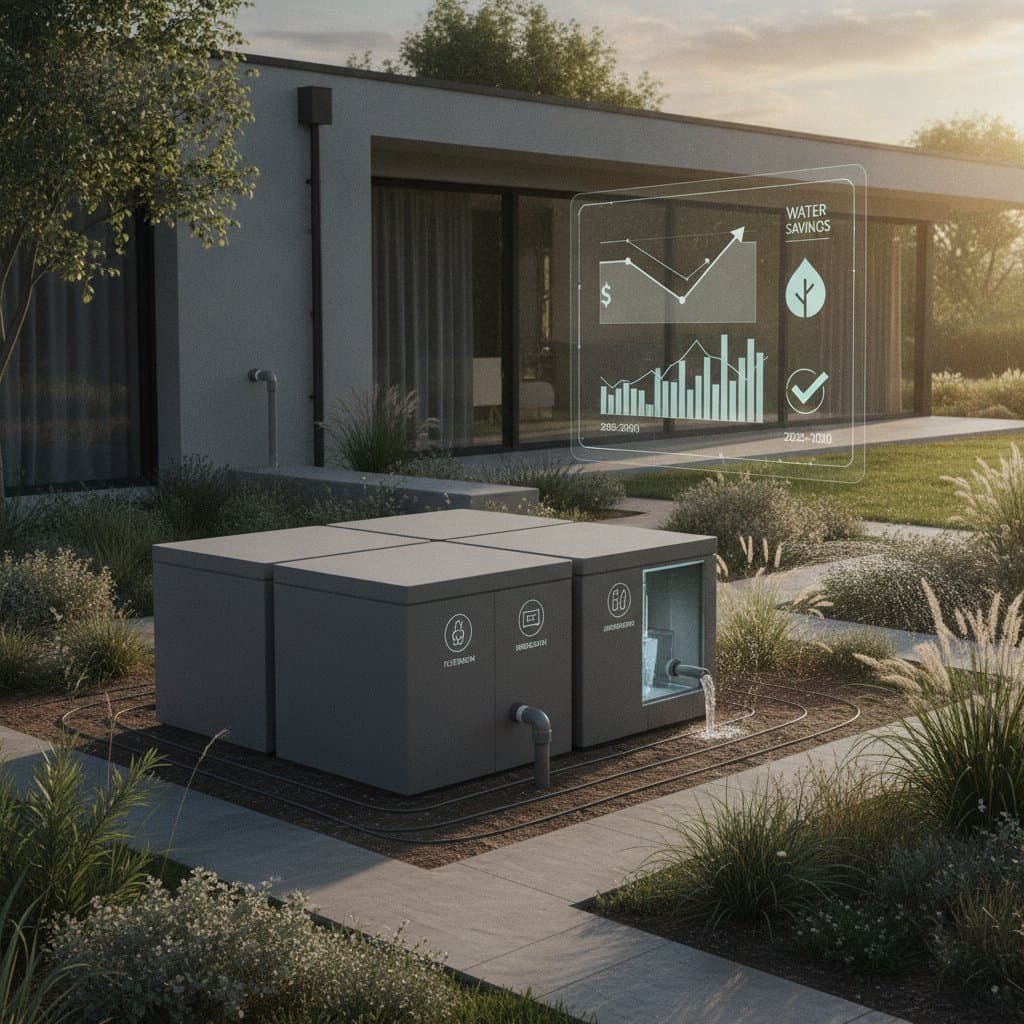
Greywater systems fall into two primary categories: simple diversion systems and complex treatment systems. Diversion setups route water directly from appliances to landscape areas, ideal for basic needs. Treatment systems filter and purify water for broader applications, including subsurface irrigation.
Costs vary significantly by type and complexity. A basic DIY diversion system, using laundry water for garden watering, starts at $300. This includes PVC pipes, a three-way valve, and basic filters, suitable for small properties with minimal plumbing alterations.
For larger homes, a full treatment system with pumps, tanks, and advanced filtration can reach $20,000. These units handle multiple sources and ensure water quality for edible gardens. Professional installation adds $5,000 to $10,000, covering labor, materials, and compliance testing.
Breakdown of Installation Expenses
Installation costs depend on home layout and site conditions. Urban properties with accessible plumbing face lower expenses, around $2,000 to $5,000 for mid-range systems. Rural or sloped terrains demand additional engineering, pushing totals to $15,000 or more.
Labor represents 40 to 60 percent of the budget. Certified plumbers charge $75 to $150 per hour, with projects lasting 2 to 5 days. Materials like tanks ($500 to $2,000) and pumps ($300 to $1,000) contribute substantially.
Landscaping adjustments, such as trenching for irrigation lines, add $1,000 to $3,000. Homeowners must account for potential disruptions, like temporary yard excavation, which influence overall project timelines.
Navigating Permit Requirements
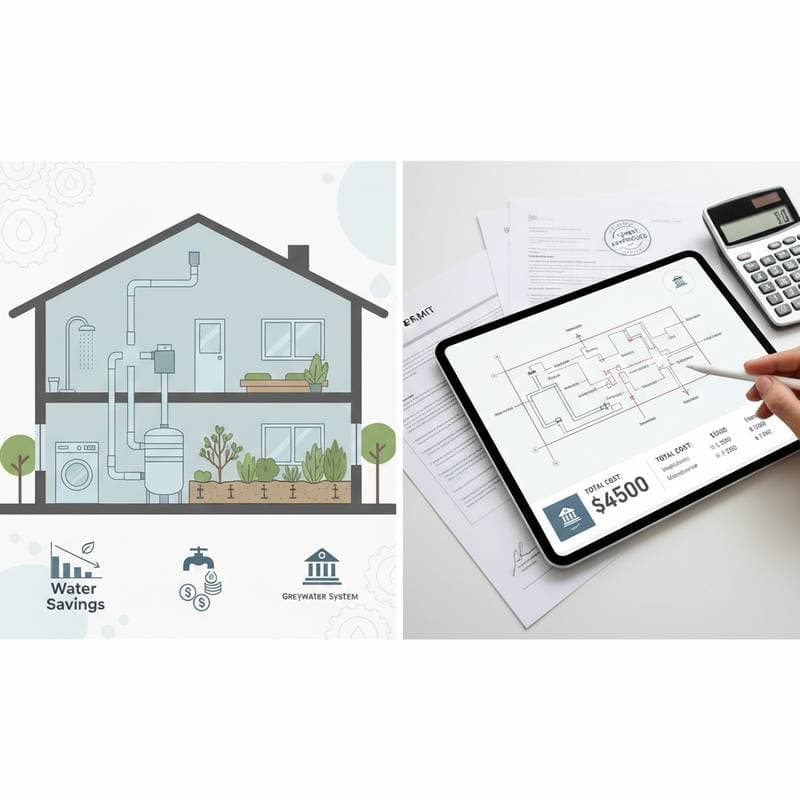
Most jurisdictions require permits for greywater installations to safeguard public health and prevent groundwater contamination. Local building departments oversee approvals, often mandating system designs that meet plumbing codes. Permits typically cost $100 to $500, depending on system scale and location.
Regulations differ by region. In California, for instance, systems under 250 gallons per day may qualify for simplified permits, while larger ones need engineer stamps. Other states, like Texas, emphasize setbacks from wells and property lines to avoid contamination risks.
The permitting process involves submitting plans, soil tests, and sometimes water quality reports. Approval times range from 2 weeks to 3 months. Homeowners benefit from consulting local environmental agencies early to identify specific rules.
Ongoing Costs and Long-Term Savings
Beyond installation, annual maintenance runs $200 to $500. This covers filter replacements ($50 to $100 yearly) and pump servicing ($150 biennially). Energy use for pumps adds $50 to $100 in electricity costs.
Savings offset these expenses quickly. A typical household saves 30 to 40 percent on water bills, equating to $200 to $600 annually in moderate climates. In drought-prone areas, rebates from utilities can reduce upfront costs by up to 50 percent.
Property value increases provide further benefits. Well-maintained systems appeal to eco-conscious buyers, potentially boosting resale prices by 2 to 5 percent. Long-term, reduced water demand aligns with sustainability trends, future-proofing homes against rising utility rates.
Essential Maintenance Practices
Regular upkeep ensures system efficiency and longevity. Homeowners should hire professionals familiar with local codes for initial and periodic inspections. Selecting low-sodium, biodegradable detergents prevents soil buildup and supports plant health.
Clear labeling of all plumbing lines avoids accidental cross-connections with blackwater systems. Quarterly checks of filters and valves detect wear early, with replacements as needed to maintain flow.
Testing irrigation zones verifies uniform distribution, preventing overwatering in some areas. These steps, though routine, avert clogs and extend system life beyond 10 years.
- Hire a professional familiar with local permit requirements.
- Choose low-sodium, biodegradable detergents to protect plants.
- Label all plumbing clearly to avoid cross-connection errors.
- Inspect filters and valves quarterly and replace parts as needed.
- Test irrigation zones to confirm even water distribution.
Small maintenance steps prevent clogs and keep the system running efficiently.
Maintaining Your Investment
A greywater system functions as both a plumbing component and a landscaping asset. View it as integral to the home's enduring infrastructure. Maintain records of all servicing, filter changes, and irrigation modifications for future reference.
Such documentation proves diligent care to potential buyers during home sales. It underscores the system's reliability and compliance, enhancing marketability in an era of green living.
Realizing Sustainable Benefits
Adopting a greywater system transforms water management into a strategic home feature. By balancing costs with regulatory steps, homeowners achieve measurable reductions in consumption. These investments yield financial returns and contribute to broader ecological goals, fostering resilient living spaces.