Greywater Costs: Permits and Water Savings
Recycling greywater at home has evolved from an experimental concept into a practical solution for homeowners who aim to lower utility costs and ease environmental pressures. These systems redirect wastewater from showers, bathroom sinks, and laundry machines away from sewers toward garden irrigation or toilet flushing. Although the idea appears straightforward, expenses for installation, permits, and maintenance depend on system design, existing plumbing, and regional rules. A clear grasp of these elements enables better planning and helps avoid surprise costs.
Understanding What Greywater Is
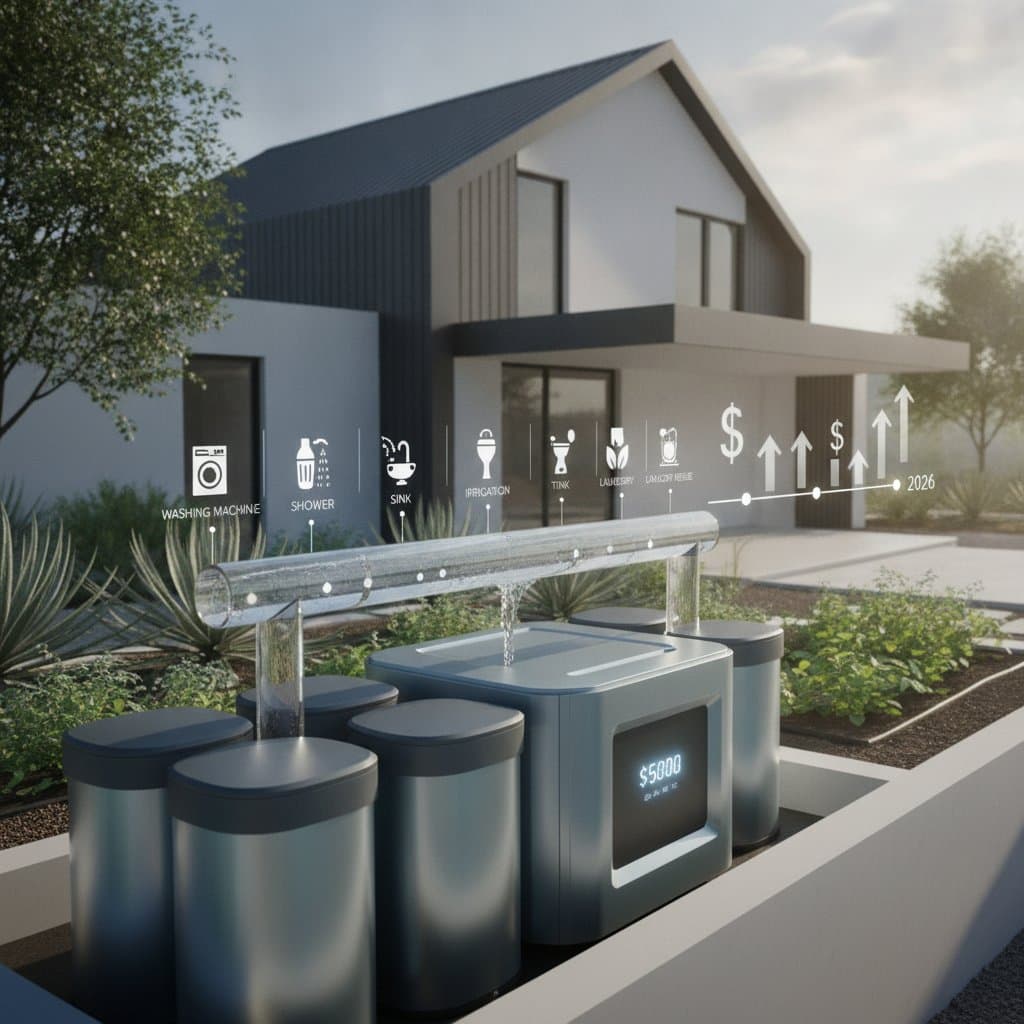
Greywater refers to wastewater free from sewage or heavy contaminants. It originates from common household fixtures, including:
- Bathroom sinks
- Showers and tubs
- Washing machines
Water from kitchen sinks usually requires exclusion because grease and food residues risk clogging distribution lines. By reusing this relatively clean water on-site, property owners prevent substantial volumes from entering public systems, which lightens the load on treatment facilities. In areas subject to water limits, such installations contribute noticeably to broader conservation efforts.
Basic System Types and Their Costs
Greywater systems divide into two primary categories: direct reuse systems and treatment-and-storage systems. Each option addresses distinct needs and carries unique pricing based on features and scale.
Direct Reuse Systems
These setups represent the most basic approach. They channel greywater straight from a source, like a washing machine, into an outdoor irrigation area. A diverter valve permits switching between sewer discharge and garden use.
Installation expenses range from $800 to $2,500, influenced by plumbing modifications. Property owners may handle basic laundry-to-landscape units personally if codes permit. Primary costs involve rerouting pipes, installing valves, and adding filters to block lint and particles from obstructing lines.
Treatment and Storage Systems
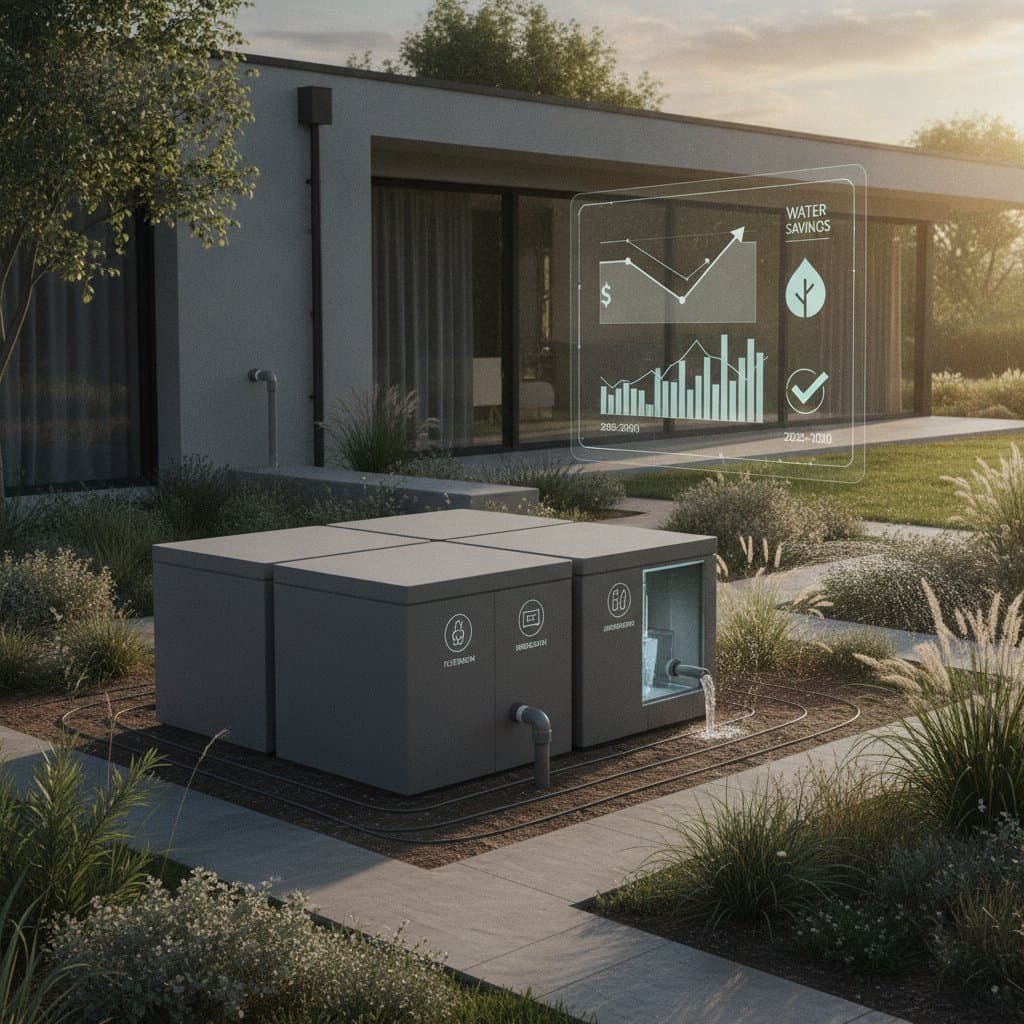
For storage or indoor applications, advanced processing becomes necessary. These configurations incorporate filtration tanks, biological processors, and disinfection mechanisms. Setup fees typically span $4,000 to $9,000, with premium versions exceeding $15,000.
Factors like tank volume, filter quality, and automation drive the price. Automated models that monitor soil moisture or tank levels command higher premiums than manual alternatives. Select components based on intended use to balance upfront investment with operational efficiency.
Permit Requirements and Inspection Costs
Permits often receive insufficient attention during initial planning. Local authorities oversee collection, processing, and dispersal methods for greywater. Certain areas exempt minor laundry-to-landscape designs from comprehensive approvals, but others demand plans drafted by licensed professionals.
Typical Permit Fees
Fees for basic residential units fall between $50 and $500. Elaborate systems with treatment or indoor connections may incur engineering reviews and inspections that elevate totals to $1,000 or higher. Confirm if indoor plumbing integration applies, as it invites stricter scrutiny.
Inspection and Compliance
Examiners prioritize avoiding potable water cross-connections and securing safe overflow paths. Excess water must route to sewers or septic units to prevent hazards. Most codes mandate subsurface delivery in irrigation zones to minimize contact risks.
Failing to obtain permits upfront can result in fines and added fees that inflate project budgets significantly. Always consult local building offices early to identify applicable rules.
Installation Process and Labor Costs
Hiring professionals introduces labor fees that fluctuate by location. Plumbers charge $75 to $150 hourly, and irrigation experts match those rates for setup tasks. Simple retrofits demand 6 to 12 hours, whereas complex units with tanks and filters need 20 to 40 hours.
Accessible plumbing, such as in walls or crawlspaces, simplifies work and reduces expenses. Structures with restricted entry or outdated cast-iron pipes necessitate extensive modifications, increasing labor by 20 to 30 percent. Evaluate site conditions beforehand to estimate timelines accurately.
Operating Costs and Maintenance
Simple systems require little upkeep, but treated versions demand regular attention. Clean filters each month and check tanks for sediment buildup semiannually. Electric pumps in advanced setups use minimal power, amounting to less than $50 yearly.
Annual expenses for replacement filters or disinfectants range from $30 to $100. Neglected filters invite blockages, smells, or equipment wear. Service agreements from installers, priced at $150 to $300 per year, handle routine checks and cleanings.
Water Savings and Payback Period
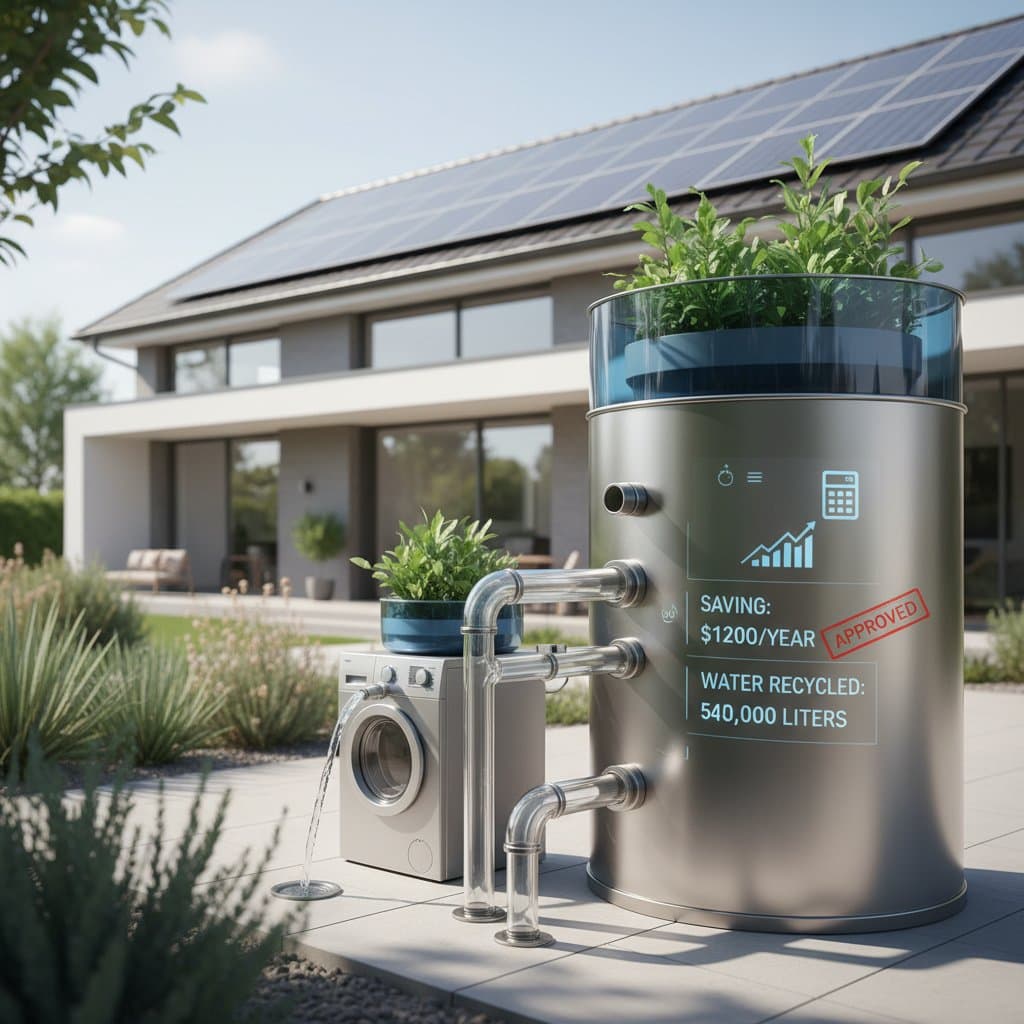
Primary appeal lies in sustained reductions to water bills. A household of four generates 100 to 200 gallons of greywater daily. Diverting this amount for landscaping can cover almost half of exterior water needs in temperate zones.
At $6 per thousand gallons, annual savings reach $150 to $300 for basic installations. Higher rates or scarcity surcharges in some locales double those figures. Consequently, straightforward systems recover costs in 3 to 5 years, while advanced ones require 8 to 12 years, offering greater versatility and impact.
Environmental and Community Benefits
Beyond personal finances, greywater recycling bolsters regional water security. Each reused gallon decreases reliance on treatment plants and aquifers. Collective implementation across neighborhoods postpones expensive public upgrades.
Communities embracing these practices observe declines in runoff volumes. Such initiatives strengthen resilience against dry spells. Property owners play a key role in sustainable management through targeted, home-based actions.
Common Challenges During Installation
Planning and setup can encounter hurdles despite the system's simplicity.
- Incorrect slope: Gravity-dependent flow demands precise drain angles. Stagnation or backups occur without proper grading.
- Poor filtration: Omitting lint traps at sources leads to emitter clogs.
- Plant compatibility: Salts or boron in detergents damage vegetation. Opt for compatible cleaning agents.
- Tank sizing errors: Excessive capacity fosters stagnation; insufficient size causes overflows.
Correcting a slope by two inches over ten feet can enhance flow and eliminate pump needs, trimming equipment outlays by hundreds of dollars. Address these issues in design phases for optimal results.
Comparing Greywater to Other Water-Saving Investments
When evaluating options like rainwater collection or efficient fixtures, consider savings per gallon alongside reliability. Fixtures offer quick, low-cost gains but limited volume. Rainwater yields vary with weather, whereas greywater provides steady supply year-round.
| System Type | Typical Cost | Water Savings Potential | Payback Estimate |
|---|---|---|---|
| Laundry-to-landscape | $800–$2,500 | Moderate | 3–5 years |
| Treated greywater with storage | $4,000–$9,000 | High | 8–12 years |
| Rainwater collection | $2,000–$6,000 | Variable | 5–10 years |
| High-efficiency plumbing fixtures | $300–$1,000 | Low to moderate | 2–4 years |
Greywater suits properties with extensive grounds, delivering dependable resources in arid conditions.
Safety Considerations
Design must emphasize protection against contamination. Backflow preventers and air gaps separate greywater from drinking supplies. Subsurface application avoids exposure to humans or animals.
Restrict use on food crops unless regulations permit, due to potential residues even after treatment. Adhere to these protocols to ensure safe, effective operation.
Local Incentives and Rebates
Many areas promote adoption via financial aids. Rebates offset installation or permit portions, often $150 to $500 in dry zones. Programs typically necessitate inspection verification and registration.
Track updates from water agencies, as offerings grow during shortages. Time projects to capture available support and maximize returns.
Pro Tips for Success
Implement these steps for effective implementation:
- Plan early: Integrate provisions during new builds to sidestep retrofit expenses.
- Consult local experts: Code-savvy plumbers expedite approvals.
- Use quality materials: Durable components withstand moisture.
- Label everything: Clear markings aid future maintenance.
- Educate household members: Train on usage and drain restrictions.
Consistent awareness sustains system reliability over decades.
Maintaining Your Investment
Regular care maximizes longevity and efficiency. Maintain a checklist for filters, valves, and irrigation checks. Promptly replace seals to avert leaks.
Investigate odors or sluggish flows by examining components before professional intervention. Combine with measures like native plants or automated controllers to amplify recycled water benefits. This integrated approach yields enduring savings and sustainability.