Understanding Tank and Tankless Water Heaters
Traditional tank water heaters store hot water in a large insulated reservoir, heating it continuously to maintain readiness for use. These systems suit most households with steady hot water needs. Tankless water heaters, also known as on-demand units, heat water directly as it flows through the device, eliminating storage and standby losses.
The choice between these systems hinges on more than immediate appeal. Long-term ownership costs encompass installation, energy consumption, maintenance, and replacement frequency. Homeowners who prioritize total expenses over time often find tankless options more advantageous despite higher upfront investments.
Upfront Costs and Installation Expenses
Tank water heaters typically range from $500 to $1,500 for the unit itself, with installation adding $300 to $800 depending on location and plumbing adjustments. These lower entry prices make tanks accessible for budget-conscious buyers. Professional installation ensures compliance with local codes and prevents leaks or inefficiencies.
Tankless systems cost $800 to $2,500 for the unit, plus $1,000 to $3,000 for installation, which may require electrical upgrades or venting modifications. Gas models often demand more complex setups than electric ones. Although initial outlays exceed those of tanks, rebates from utility companies can offset 10 to 30 percent of tankless installation costs.
Energy Efficiency and Operating Costs
Tanks lose heat through the reservoir, leading to standby energy use that accounts for up to 20 percent of a home's water heating expenses. Annual operating costs for a tank system average $400 to $600, based on household size and fuel type. Energy Star-rated tanks improve efficiency by 10 to 15 percent over standard models.
Tankless heaters achieve 24 to 34 percent higher efficiency by heating water only when needed, potentially saving $100 to $200 yearly on utility bills. For a family of four, these savings accumulate to $1,000 over a decade. Proper sizing ensures the unit handles peak demand without excessive energy draw.
Maintenance Requirements and Lifespan
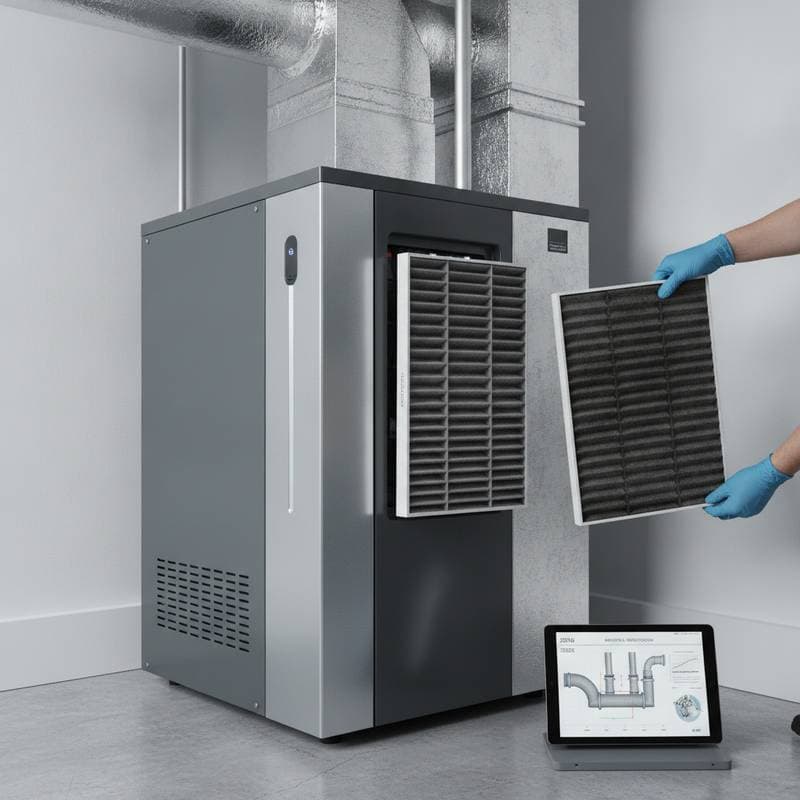
Tanks require annual flushing to remove sediment buildup, with costs of $100 to $200 per service. Elements or thermostats may fail after 8 to 12 years, prompting full replacement at $1,000 to $2,500. Regular anode rod inspections extend life but add to routine upkeep.
Tankless units need descaling every one to three years, costing $150 to $300, particularly in hard water areas. With proper care, they last 20 years or more, reducing replacement needs. Flow rate monitoring prevents overuse and maintains performance.
Calculating Total Cost of Ownership
To compare systems, sum upfront costs, annual operating expenses multiplied by expected lifespan, maintenance totals, and replacement costs. For a tank over 10 years, expect $8,000 to $12,000 total, including $4,000 in energy and $2,000 in maintenance. Tankless projections often fall to $6,000 to $9,000 over 20 years, driven by lower energy use.
Use online calculators from energy agencies to input your utility rates and usage patterns. Factor in incentives like federal tax credits up to $300 for efficient models. This method reveals payback periods, typically 5 to 8 years for tankless investments.
Key Factors for Your Household
Assess daily hot water demands; larger families benefit from tankless endless supply, while small households may suffice with tanks. Consider fuel availability: natural gas suits both, but electric tankless excels in areas with renewable grids. Climate influences efficiency, as colder regions increase heating loads for all systems.
Space constraints favor compact tankless designs, while tanks need dedicated closets. Review local water quality, as minerals accelerate wear in both types. These elements tailor the choice to your lifestyle and home layout.
Warranty and Service Access
Select brands offering 10 to 15-year warranties on heat exchangers for tankless or tanks. Prioritize manufacturers with widespread parts availability and certified technician networks. Reliable service reduces downtime and unexpected repair bills over the system's life.
Steps to Select and Implement Your Choice
Gather quotes from at least three licensed contractors, specifying unit models and efficiency ratings. Verify Energy Factor scores above 0.82 for optimal performance. Compute personalized cost projections using household data.
Schedule installation during off-peak seasons to minimize disruptions. Post-installation, monitor performance and adhere to maintenance schedules. These actions maximize savings and reliability from day one.
Achieving Long-Term Savings
Beyond purchase price, the most economical water heater aligns with your usage and efficiency goals. Tanks excel in simplicity and low entry costs, yet tankless systems deliver superior value through reduced energy and extended durability. By evaluating total ownership, you secure comfort and financial benefits for years ahead.