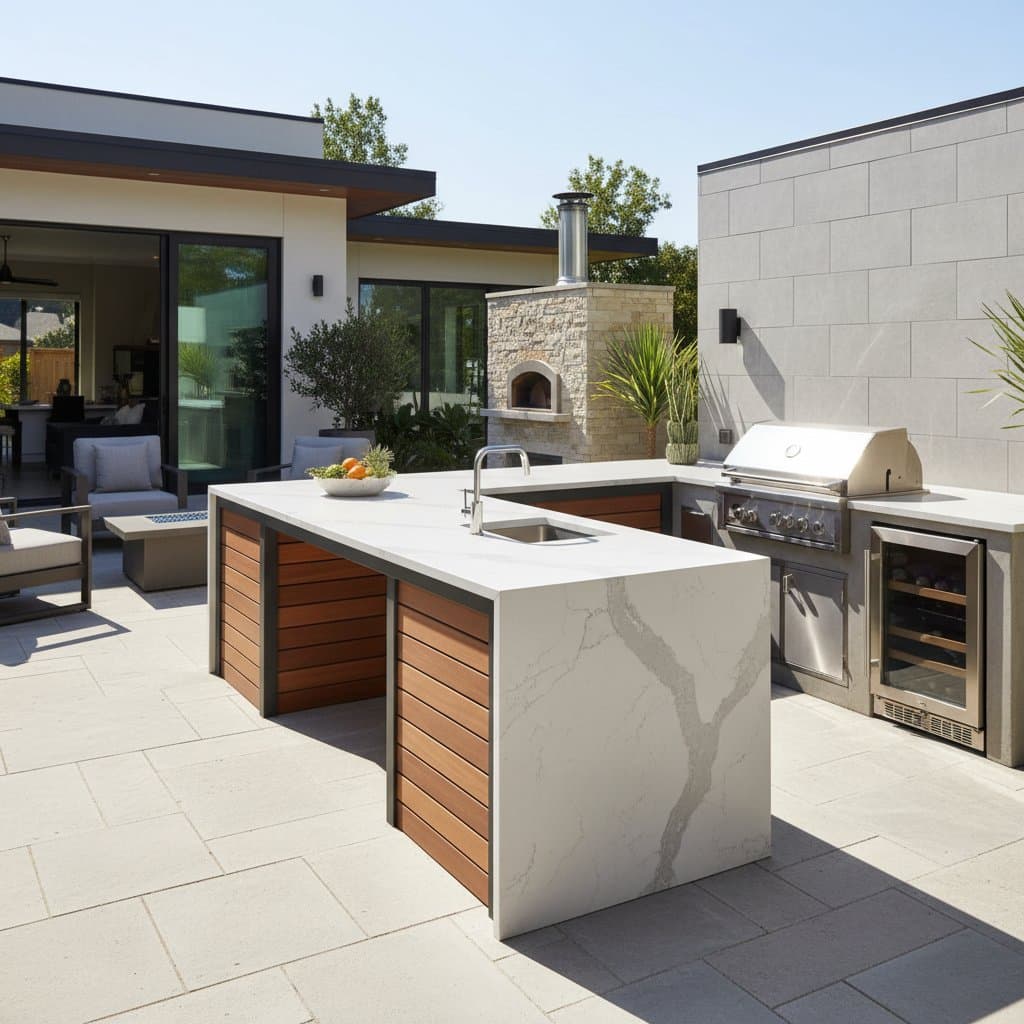
Outdoor Kitchen Costs: Key Material Breakdown
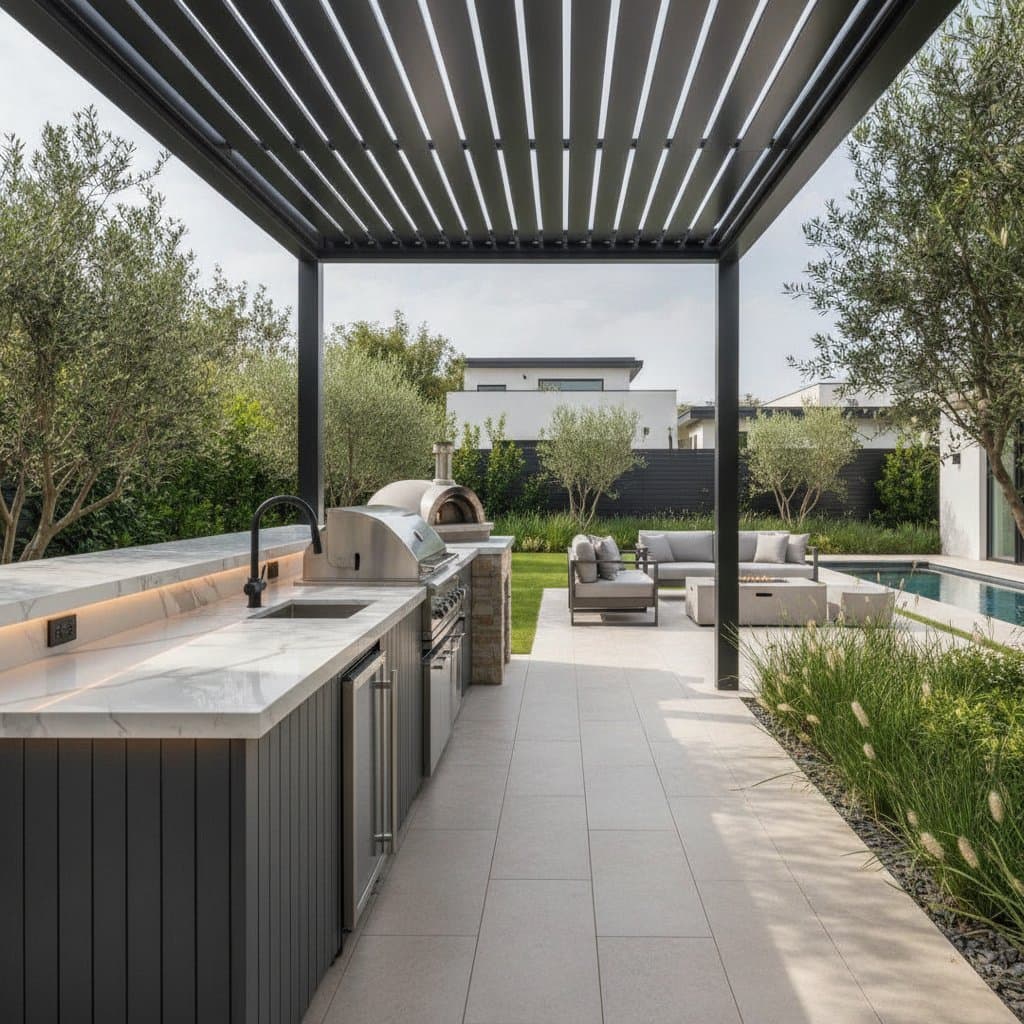
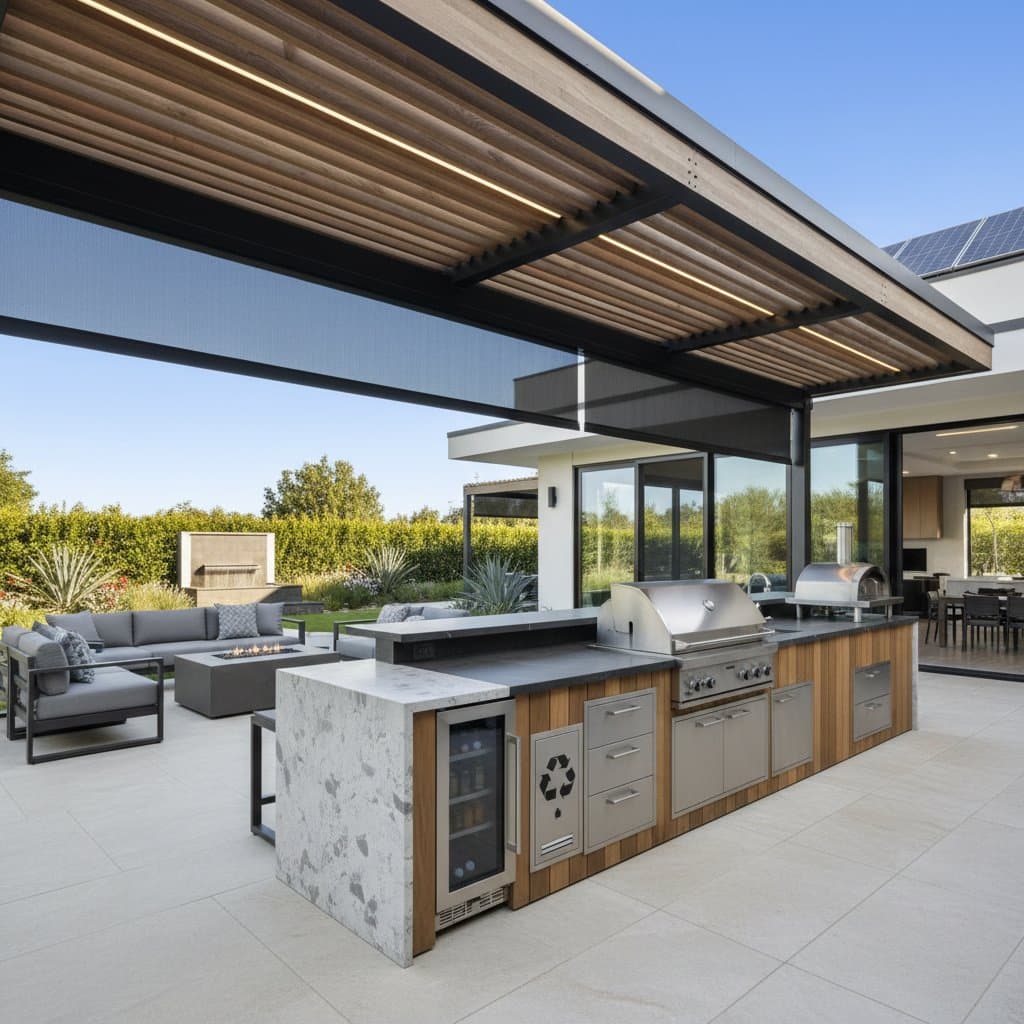
An outdoor kitchen elevates the backyard into a versatile hub for cooking, socializing, and unwinding. Homeowners benefit from expanded living areas that integrate seamlessly with indoor spaces. Before embarking on construction, evaluate how material selections shape overall expenses, resilience against elements, and ongoing care needs. Selecting appropriate materials for the structure, surfaces, and equipment ensures the project aligns with financial goals while providing enduring performance.
Core Cost Factors
The expense of an outdoor kitchen hinges on its dimensions, configuration, and chosen materials. Basic configurations featuring a grill and simple countertop begin around $5,000 to $10,000. Elaborate systems incorporating refrigeration, sinks, and bespoke elements may exceed $30,000. Materials constitute up to 40 percent of the budget, with additional outlays for labor, permits, and utility integrations.
Outdoor kitchens typically divide into three main material categories: frameworks, countertops, and appliances or fixtures. Each category presents distinct pricing tiers, durability profiles, and upkeep demands. Understanding these elements allows for informed decisions that optimize value.
Framework Materials
The framework forms the foundation that bears the weight of counters, appliances, and decorative layers. Prioritize options that endure outdoor conditions like humidity, UV exposure, and thermal fluctuations.
-
Concrete block: This robust, permanent solution excels in moisture-prone areas. Costs range from $10 to $20 per square foot, depending on block size and surface treatments. Applying stucco or stone veneer enhances aesthetics and protection, creating a tailored appearance with minimal ongoing intervention.
-
Steel framing: Galvanized steel offers precision and ease of assembly, ideal for modular designs. Prices fall between $15 and $25 per square foot, offset by reduced installation time compared to masonry methods. Proper sealing prevents corrosion, ensuring stability in diverse climates.
-
Pressure-treated wood: As the economical entry point at $8 to $15 per square foot, this material demands vigilant sealing against decay. It performs best under roofed structures or in temperate zones. Initial affordability may diminish if frequent treatments become necessary to combat weathering.
Countertop Materials
Countertops serve as the workspace and focal point, requiring resistance to heat, spills, and heavy use. Select based on aesthetic preferences, budget constraints, and exposure levels.
-
Granite: This natural stone provides exceptional toughness and thermal resistance, with slabs costing $40 to $100 per square foot. Varied hues and patterns allow design flexibility. Annual sealing maintains its integrity and prevents absorption of outdoor contaminants.
-
Concrete: Versatile and budget-conscious at $30 to $60 per square foot, concrete accommodates stains and stamps for unique finishes. Expert pouring and curing avert fissures, guaranteeing a smooth, long-lasting surface.
-
Tile: Porcelain or ceramic varieties deliver affordability from $20 to $50 per square foot alongside extensive color options. Grout lines necessitate periodic resealing to resist mold and discoloration from rain or spills.
-
Stainless steel: Valued for its hygienic, modern vibe, this option ranges $50 to $80 per square foot and simplifies cleanup. In sunny locations, consider shaded placements to mitigate surface heating during peak hours.
Appliance and Fixture Costs
Appliances anchor the kitchen's utility, often comprising 30 to 50 percent of the total investment. Integrate considerations for fuel types, sizes, and installation prerequisites to control expenditures.
-
Grills: Basic gas units start at $500, while premium stainless models with rotisserie features reach $5,000. Opt for weather-sealed burners to extend usability across seasons.
-
Refrigeration: Undercounter units cost $800 to $2,000, compared to $3,000 for comprehensive beverage stations. Energy-efficient models reduce operational costs in variable outdoor temperatures.
-
Sinks and plumbing: Stainless steel basins range from $200 to $600, with plumbing hookups adding $1,000 to $3,000 based on distance from existing lines. Choose drop-in or undermount styles for seamless integration.
Labor and Installation
Engaging certified professionals safeguards compliance and functionality. Regional labor rates span $50 to $150 per hour, influenced by project scope. Masonry assembly, gas piping, and wiring each contribute significantly; for instance, full plumbing runs may add $2,000 to $5,000. While straightforward DIY approaches suit novice builders, delegate specialized tasks like electrical or gas work to experts to avoid hazards and voids in warranties.
Maintenance and Longevity
Exposure to rain, sun, and pollutants challenges outdoor installations. Opt for corrosion-resistant alloys, sealed natural stones, and fade-proof coatings to bolster endurance. Implement seasonal protocols: clean surfaces weekly, reseal stones biannually, and shield appliances with covers during storms. These practices can extend the kitchen's service life beyond 15 years, preserving both form and function.
Preventing Future Issues
Incorporate proactive features such as sloped surfaces for water runoff, adequate airflow to deter mold, and overhead shelters to limit direct elemental contact. Position electrical components away from moisture sources and schedule annual professional checks for gas integrity and wiring safety. These measures minimize downtime and unforeseen expenses, ensuring reliable operation year-round.
Sustaining Performance Over Time
Durable material selections paired with diligent care yield decades of reliable service. Concrete frameworks and stone counters demand only periodic sealing, while stainless fixtures respond well to mild detergents. Allocate 5 to 10 percent of the initial budget annually for upkeep to forestall major overhauls. Tailor choices to local weather patterns and usage frequency for optimal results, turning the outdoor kitchen into a resilient, enjoyable asset that enhances daily living and hosts memorable occasions.