What 2026 Mold Remediation Really Costs Homeowners
Mold issues surprise many homeowners. A visible patch on drywall appears minor, yet deeper damage lurks behind walls, beneath floors, or within HVAC systems. Persistent moisture allows spores to proliferate rapidly, escalating a simple problem into a comprehensive remediation effort. Knowledge of these costs empowers homeowners to plan effectively and sidestep excessive charges.
Understanding Mold and Why Removal Costs Vary
Mold thrives where moisture contacts organic surfaces. Bathrooms, basements, crawl spaces, and attics rank among frequent hotspots. Removal expenses hinge on three primary elements: the scope of growth, the site of contamination, and the mold species involved.
A minor patch beneath a sink may require only thorough cleaning and drying. In contrast, pervasive black mold in a basement necessitates advanced containment, negative air pressure setups, and expert disposal. These procedures elevate labor, materials, and testing outlays. Surveys from the industry indicate expenditures from a few hundred dollars for surface treatments to thousands for extensive operations. Variations arise because each case presents unique challenges. A certified inspection distinguishes surface issues from structural ones, reshaping the project entirely.
Key Cost Drivers in Mold Remediation
1. Area Size and Containment Needs
Larger affected zones drive up remediation prices. Expanded spaces demand extensive barriers, HEPA filters, and safe disposal of tainted items. Specialists typically bill by square foot, with premiums for intricate enclosures or inaccessible areas. For instance, a 50-square-foot zone might incur 20 percent higher fees than a comparable open surface due to setup complexities.
2. Type of Mold
Black mold, known scientifically as Stachybotrys chartarum, links closely to water damage and inadequate airflow. Its handling demands rigorous safeguards, as spores provoke respiratory distress. Additional protocols, including specialized suits and air scrubbers, extend labor hours and material demands. Homeowners facing this variety often see costs rise by 30 to 50 percent over standard molds.
3. Location of Growth
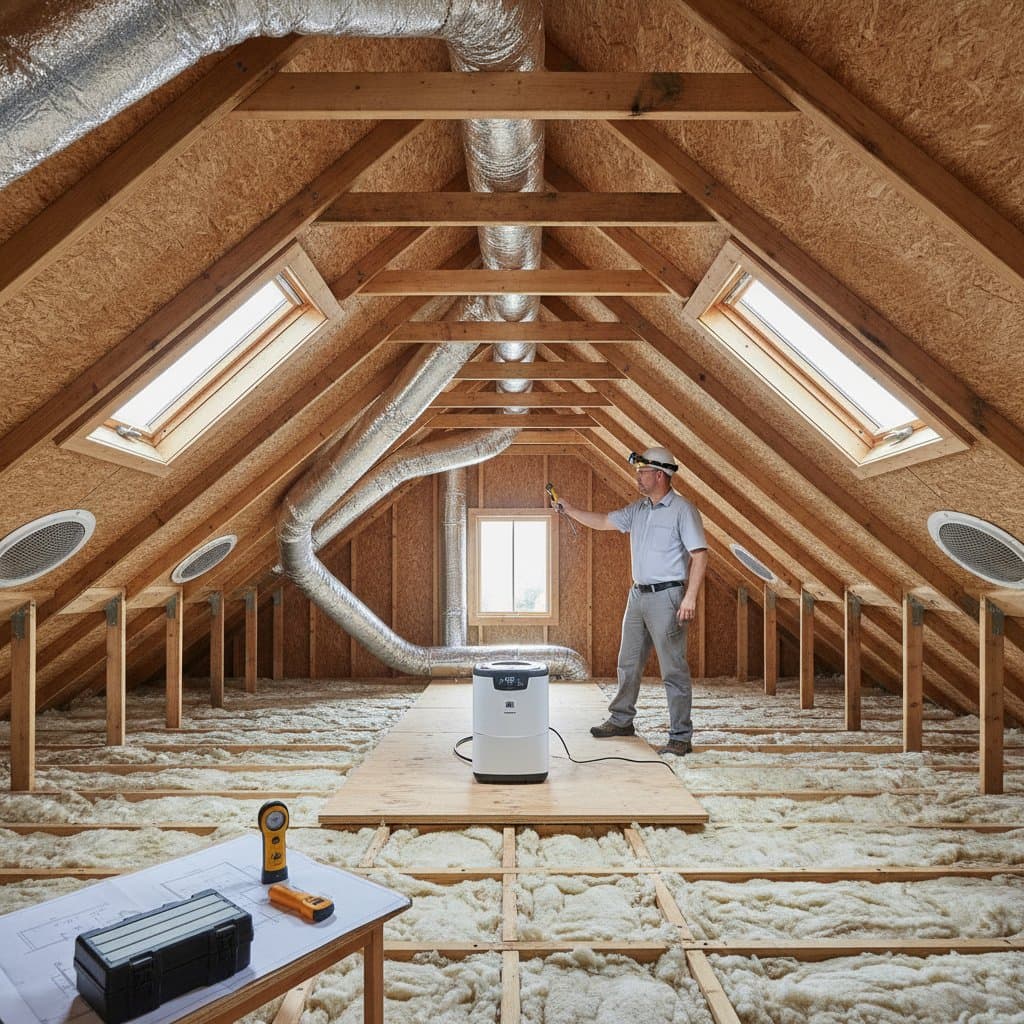
Concealed infestations in walls, ceilings, or HVAC ducts complicate access. Extraction involves dismantling drywall, insulation, or ventilation components, followed by repairs. Such hidden problems can inflate totals by twofold relative to visible surface treatments. Professionals recommend early detection tools like moisture meters to mitigate these escalations.
4. Extent of Damage
Mold that compromises framing, flooring, or insulation triggers subsequent structural fixes. Restoration outlays frequently equal or surpass remediation fees. Budget planners advise allocating equal funds for both phases. Post-removal assessments ensure all weakened elements receive attention, preventing future vulnerabilities.
5. Testing and Inspection Fees
Qualified inspectors conduct air and surface tests to pinpoint spore varieties and levels. Initial evaluations run a few hundred dollars, while clearance tests verify completion. Certain firms bundle these into packages; others itemize separately. Investing in precise diagnostics avoids over-treatment and supports accurate quoting.
Typical Mold Remediation Cost Ranges
Small-Scale Mold Removal
Infestations below ten square feet, like those in bathroom tiles or under sinks, involve professional cleaning and dehumidification at costs from several hundred to one thousand dollars. Homeowners equipped with masks and gloves might attempt DIY for tiny spots, yet experts stress professional drying to halt recurrence. This approach minimizes health risks and ensures thorough eradication.
Moderate Contamination
Growth spanning rooms or penetrating cavities elevates expenses. A single-room project or basement segment falls between one thousand and five thousand dollars, varying by access and replacements. Contractors assess ventilation and material types to tailor solutions, often incorporating antimicrobial agents for added protection.
Severe or Structural Infestations
Widespread black mold or multi-room spread surpasses five thousand dollars. HVAC, crawl space, or full-basement jobs approach or exceed ten thousand dollars. These undertakings feature complete enclosures, filtration systems, and rebuilds to reinstate habitability. Phased approaches allow homeowners to prioritize critical zones.
DIY vs. Professional Mold Remediation
Surface-level temptations draw homeowners to DIY for minor visible mold. Detergent solutions or vinegar mixtures tackle appearances, but they overlook subsurface nests. Absent moisture management, regrowth occurs swiftly.
Experts deploy HEPA vacuums, biocides, and heavy-duty dehumidifiers to eradicate spores comprehensively. Strict protocols shield residents and crews from hazards. Online forums, including homeowner threads on Reddit, highlight DIY shortcomings, with many failures resurfacing in months. Certified teams deliver enduring outcomes and superior air purity, justifying the investment.
Inspection and Testing: The Foundation of Accurate Estimates
Certified evaluations precede all actions, tracing moisture origins and contamination details. Air sampling detects airborne spread across the property. This intelligence guides precise plans over generic methods.
Environmental specialists, as noted in Forbes Home, emphasize how inspections avert excessive teardown by isolating issues. An upfront spend of a few hundred dollars yields savings through targeted interventions. Homeowners benefit from detailed reports that inform contractor selections and insurance discussions.
Preventing Mold Regrowth After Remediation
Post-removal efforts center on moisture mastery and airflow enhancement.
- Address leaks promptly. Small plumbing issues foster mold habitats.
- Deploy dehumidifiers in humid zones. Basements, laundry areas, and baths gain from consistent regulation.
- Service HVAC regularly. Clean filters and clear ducts to block moisture accumulation.
- Caulk foundation fissures. Infiltration via walls or slabs sparks repeated outbreaks.
- Track humidity. Maintain levels under 60 percent to deter development.
Smart sensors for moisture detection provide alerts to preempt issues. These devices prove economical compared to remediation repeats.
Budgeting and Insurance Considerations
Remediation strains finances, demanding strategic preparation. Standard policies exclude mold unless tied to perils like pipe bursts. Policy reviews prior to claims prevent denials.
Applicable coverage reimburses testing, extraction, and fixes within caps. Uncovered cases permit installment options or sequential treatments for priorities. Solicit detailed bids from several providers to gauge fairness.
Itemized proposals detail labor, supplies, tools, and tests. Side-by-side reviews expose discrepancies or omissions. Steer clear of suspiciously low bids lacking process explanations or credentials.
Securing Long-Term Home Health
Remediation extends beyond eradication to preserve value, air standards, and well-being. Residences without concealed dampness and spores support safety and upkeep ease. Routine checks, humidity controls, and swift fixes curb escalating expenses.
Renovation plans incorporating vapor barriers, suitable insulation, and resistant finishes lower risks. Experts advocate mold-repelling drywall and coatings for prone areas. Informed choices in certified services, thorough inspections, and vigilant care sustain mold-free environments for years.