Understanding Spray Foam Insulation Costs in 2026
Spray foam insulation stands out for its ability to create an airtight seal, which enhances energy efficiency and provides long-term comfort in homes. Costs range from $1.20 to $3.50 per square foot in 2026, influenced by factors such as the type of foam, project size, and regional labor rates. Homeowners benefit from evaluating these elements to make informed decisions that balance upfront expenses with future savings.
This guide explores the pricing structure, key considerations, and strategies for budgeting effectively. By the end, readers gain practical insights to determine if spray foam suits their needs.
What Is Spray Foam Insulation?
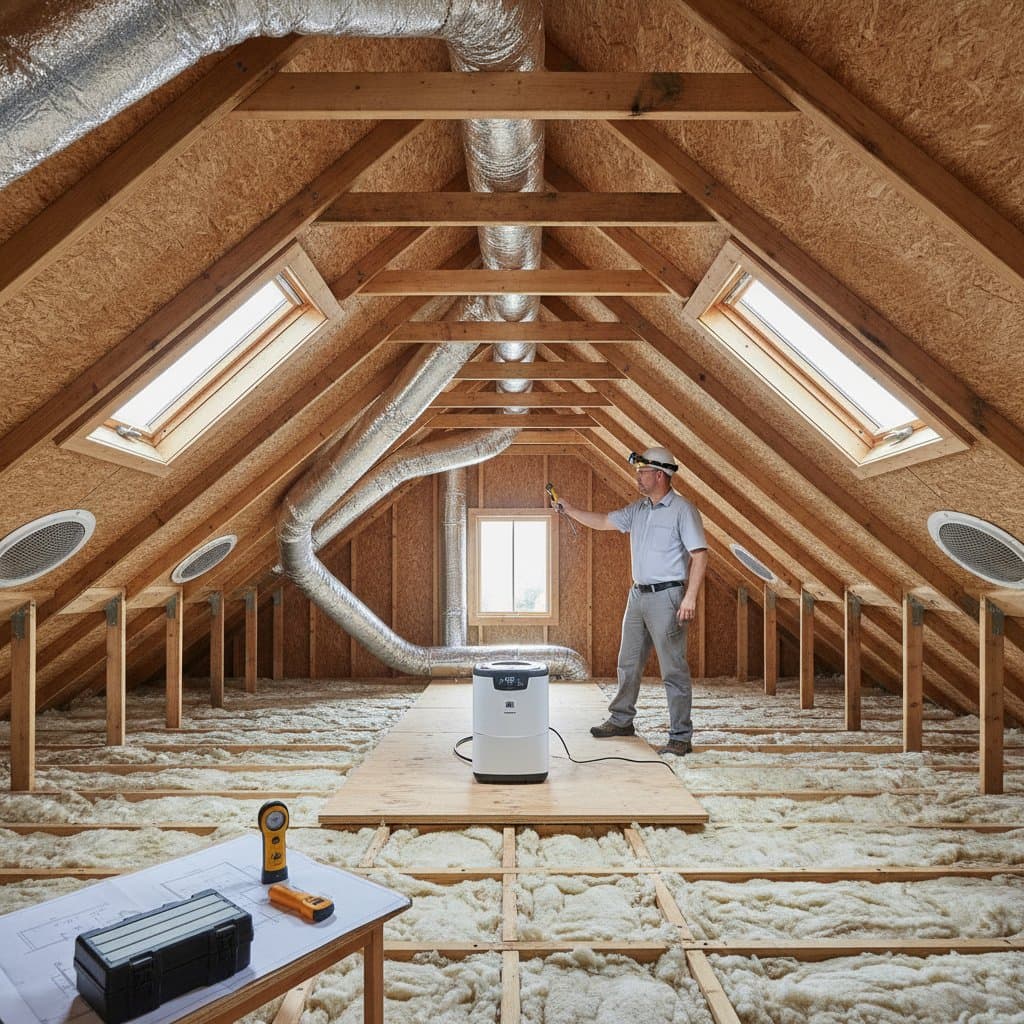
Spray foam insulation involves applying a chemical mixture that expands upon contact with surfaces, forming a durable barrier against air leaks, moisture, and temperature fluctuations. Professionals use specialized equipment to spray the material into walls, attics, and crawl spaces, where it hardens quickly to fill gaps and irregularities that traditional insulation might miss.
Unlike fiberglass batts or cellulose, spray foam adheres directly to substrates, reducing thermal bridging and improving overall building performance. This method suits both new construction and retrofits, offering versatility for various home sizes and climates.
Types of Spray Foam Insulation
Two primary types dominate the market: open-cell and closed-cell spray foam. Each serves distinct purposes based on density, insulation value, and application suitability.
Open-Cell Spray Foam
Open-cell foam features a lighter density, typically around 0.5 pounds per cubic foot, which allows it to expand more and provide sound dampening alongside thermal resistance. It offers an R-value of about 3.5 to 4 per inch, making it ideal for interior walls where moisture control plays a lesser role.
This type absorbs sound effectively and adds structural rigidity to framed walls. However, its permeability to moisture requires careful use in humid environments.
Closed-Cell Spray Foam
Closed-cell foam, denser at 2 pounds per cubic foot, creates a rigid, waterproof barrier with an R-value of 6 to 7 per inch. It excels in areas prone to water exposure, such as basements or exterior walls, and acts as a vapor barrier to prevent mold growth.
The higher density also provides greater structural support, which benefits unvented attics or rim joists. While more expensive, its superior performance justifies the investment in demanding applications.
Breaking Down Spray Foam Costs Per Square Foot
In 2026, spray foam installation averages $1.20 to $3.50 per square foot, covering materials and labor for a standard two-inch application. Open-cell options fall toward the lower end at $1.20 to $2.00 per square foot, while closed-cell ranges from $2.50 to $3.50 per square foot due to higher material density and equipment needs.
Total project costs depend on the area covered. For a 1,000-square-foot attic, expect $1,200 to $3,500 overall. Larger projects benefit from economies of scale, potentially reducing the per-square-foot rate by 10 to 20 percent.
Factors Influencing Pricing
Several variables affect the final price:
- Foam Type and Thickness: Thicker applications, often 3 to 5 inches for optimal R-values, increase material use and costs.
- Location and Accessibility: Urban areas with higher labor rates add 20 to 30 percent to the bill, while hard-to-reach spaces require additional preparation.
- Project Scope: Retrofitting existing structures demands surface preparation, such as removing old insulation, which raises expenses.
- Regional Climate: Codes in colder zones mandate higher R-values, influencing foam volume and price.
- Contractor Expertise: Certified installers charge more but ensure quality, avoiding costly rework.
Homeowners should obtain multiple quotes to compare these factors and negotiate based on project specifics.
The Installation Process
Professional installation ensures safety and effectiveness, as spray foam involves handling expanding chemicals that require protective gear and ventilation. The process begins with a site assessment to measure areas and identify obstacles.
Contractors then set up equipment, including a spray gun and hoses connected to material tanks. They apply the foam in layers, allowing each to cure before adding more, which typically completes in one to two days for most homes.
Post-installation, a final inspection verifies coverage and seals any missed spots. Homeowners must vacate the premises during application due to fumes, planning for temporary relocation if needed.
Calculating Energy Savings and Return on Investment
Spray foam reduces heating and cooling demands by up to 50 percent, leading to annual energy bill savings of $500 to $1,500 for average households. Over 10 years, these reductions often offset the initial cost, especially with rising utility rates projected through 2026.
To estimate ROI, calculate current energy use and apply a 30 to 40 percent efficiency gain from spray foam. Tools like energy audits provide baseline data, while incentives such as tax credits further shorten payback periods to 5 to 7 years.
Consider long-term benefits like improved indoor air quality and reduced maintenance, which enhance property value by 5 to 10 percent in energy-conscious markets.
Steps to Budget for Spray Foam Insulation
Effective budgeting starts with assessing your home's insulation needs through a professional energy audit, costing $300 to $500 but yielding precise recommendations.
- Determine the square footage of areas to insulate, prioritizing high-impact zones like attics and walls.
- Research local contractors via reviews and certifications, requesting itemized quotes that separate materials from labor.
- Factor in additional expenses, such as permits or surface prep, allocating a 10 percent contingency for surprises.
- Explore financing options, including home equity loans or rebates, to spread costs over time.
- Compare spray foam against alternatives like fiberglass, weighing upfront versus lifetime value.
Track all estimates in a spreadsheet to visualize total outlay and potential savings, ensuring alignment with financial goals.
Maximizing Comfort and Efficiency with Spray Foam
Investing in spray foam insulation equips homes for sustainable living, delivering consistent temperatures and lower environmental impact. Homeowners who prioritize this upgrade enjoy quieter spaces and enhanced durability against weather extremes.
By selecting the right type and planning meticulously, the $1.20 to $3.50 per square foot range translates into decades of reliable performance. Consult experts early to tailor the solution to your unique home, securing both immediate comfort and enduring value.