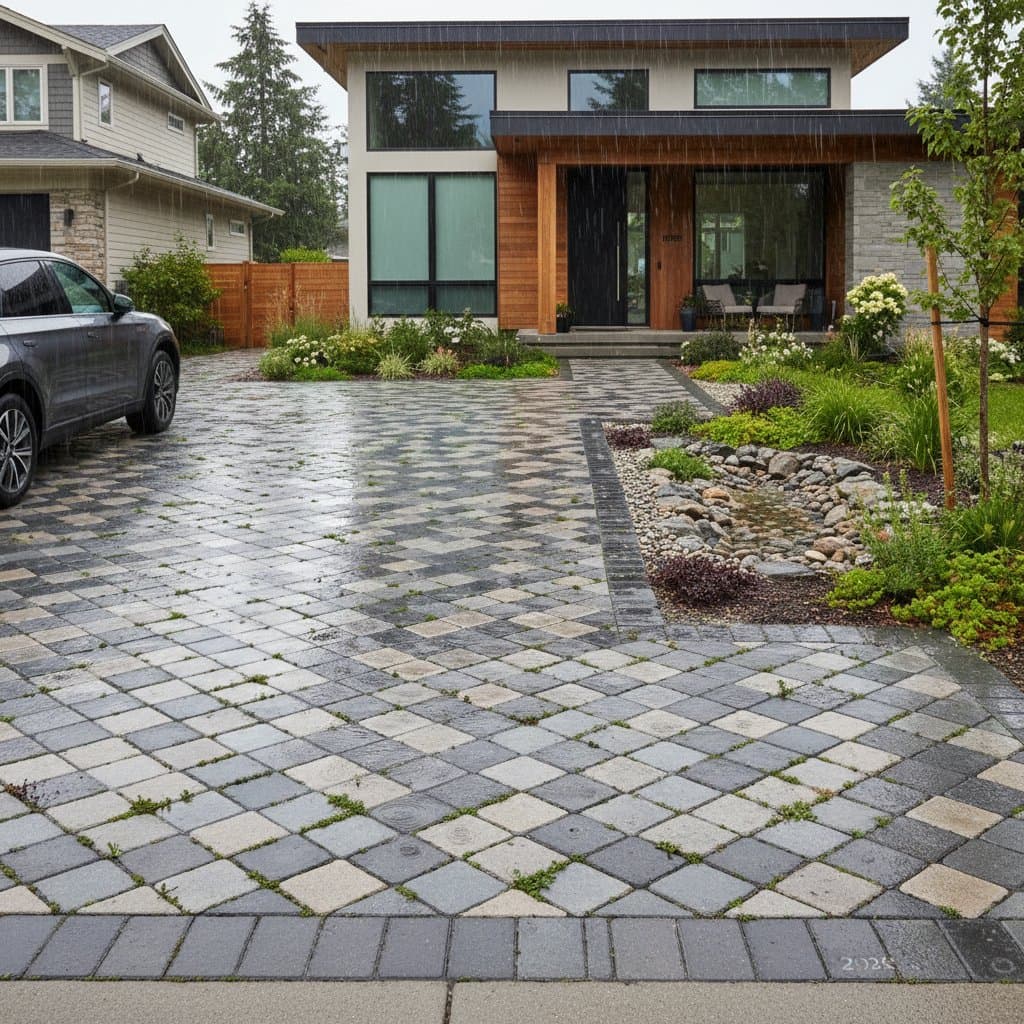
Permeable Paving: Projected 2026 Costs and Flood Management Strategies
Permeable paving emerges as a reliable option for property owners seeking to control stormwater effectively while enhancing the aesthetic and operational qualities of their landscapes. With the rise in severe weather incidents and localized flooding, individuals increasingly adopt permeable surfaces to mitigate runoff, safeguard structural foundations, and comply with evolving drainage codes. These installations enable rainwater to percolate into the earth instead of directing it toward municipal storm systems, which in turn diminishes the potential for pooling water and soil displacement.
The surge in demand for environmentally conscious designs and green building materials positions permeable paving at the forefront of contemporary outdoor improvements. Property owners frequently inquire about associated expenses, operational mechanics, and anticipated outcomes. An examination of setup procedures, ongoing care, and financial elements underscores the reasons behind the accelerating popularity of this paving technique.
Mechanisms of Flood Risk Mitigation Through Permeable Paving
Permeable paving replicates natural infiltration processes to handle excess water. Under the top layer resides a foundation of angular aggregate that temporarily retains moisture as it gradually penetrates the underlying soil. This configuration functions as a storage reservoir, which moderates intense runoff peaks and facilitates the replenishment of subsurface water reserves.
When executed with precision, such systems accommodate substantial downpours by absorbing multiple inches of precipitation without surface accumulation. In residential areas prone to overwhelmed drainage infrastructure, the impact proves noticeable. The Environmental Protection Agency recognizes permeable paving among the premier techniques for alleviating metropolitan flood events and elevating stormwater purity levels.
Municipal authorities progressively mandate the incorporation of permeable features in fresh constructions or significant property updates. Certain jurisdictions extend fiscal incentives, such as property tax reductions or reimbursement programs, to those converting traditional hardscapes to permeable alternatives.
Detailed Installation Procedures and Expert Guidance
The deployment of a permeable system demands meticulous preparation and accurate stratification. Engaging a specialist contractor experienced in permeable applications proves essential for optimal results.
Sequential Installation Phases
-
Initial Site Evaluation
Professionals assess soil permeability rates, terrain gradients, and existing water flow directions. Soils with sandy or loamy compositions yield superior performance, whereas dense clay formations might necessitate augmented sub-base depths to ensure adequate drainage. -
Excavation Phase
Current hard surfaces receive removal to depths ranging from 12 to 18 inches, calibrated to projected water loads and geological characteristics. -
Sub-Base Construction
A substantial deposit of washed, angular gravel undergoes compaction to form a robust, water-holding foundation. -
Support Layer Assembly
Graduated sizes of finer aggregates layer atop the base to bolster the surface integrity and enhance water purification. -
Surface Placement
Selected paving units position with intentional gaps or inherent porosity to permit downward water passage. Interstices fill with fine gravel or permeable aggregates to maintain openness. -
Perimeter Securing and Final Adjustments
Edging elements or containment barriers stabilize the assembly, while precise leveling promotes even water dispersal.
For a standard two-vehicle driveway, expert teams complete the process in three to five days, contingent upon meteorological factors and terrain complexities.
Projected costs for 2026 installations vary by material and scale. Basic permeable pavers may range from $10 to $15 per square foot, including labor, while premium resin-bound options could reach $20 to $25 per square foot. A full driveway project spanning 600 square feet might total $6,000 to $15,000, factoring in site-specific adjustments and regional labor rates.
Broader Ecological and Neighborhood Advantages
Permeable paving extends its value beyond private lots to foster community-wide environmental wellness. Every installed square foot intercepts runoff laden with automotive residues, lawn chemicals, and sediments that would otherwise contaminate receiving waters. The embedded aggregate strata provide inherent filtration, purifying moisture prior to soil integration.
Principal Advantages
-
Aquifer Replenishment
Rather than diverting precipitation to distant outlets, the system channels it back into underground reserves, sustaining regional water supplies and nurturing plant life. -
Urban Heat Mitigation
These surfaces absorb and release less solar radiation compared to conventional asphalt, thereby cooling adjacent environments and elevating usability in patios and walkways. -
Soil Stability Enhancement
Reduced water velocities prevent scouring on inclines and undermine near structural bases, preserving landscape integrity. -
Regulatory Alignment
Progressive ordinances cap impervious coverage ratios on parcels; permeable solutions enable full utilization of parking and gathering areas while satisfying compliance standards.
Widespread adoption within neighborhoods yields collective gains, including attenuated storm surges and purified flows in adjacent rivers and ponds.
Available Financial Supports and Community Initiatives
Prospective adopters of green enhancements benefit from researching municipal and utility-sponsored aids. Numerous locales and watershed agencies fund runoff-reduction endeavors through direct subsidies, lowered utility assessments, or favorable loan terms for sustainable projects.
Select insurance providers acknowledge diminished flood exposures and offer premium discounts for residences featuring advanced drainage. Prior to project initiation, consult local permitting offices and hydrological agencies to identify eligible programs and secure necessary approvals.
Sustaining Permeable Paving for Long-Term Performance
Opting for permeable paving represents a strategic choice that marries practicality with ecological stewardship. It elevates visual appeal while confronting a core challenge in residential upkeep: effective water oversight. As climatic variability intensifies, proactive hydrology emerges as an indispensable element of property resilience.
Routine maintenance ensures enduring efficacy. Sweep surfaces quarterly to clear debris, and inspect joints annually for sediment buildup, replenishing with permeable fillers as needed. Avoid heavy vehicle traffic on non-driveway areas to prevent compaction, and monitor for subsurface clogs during heavy rain seasons. With diligent care, these installations deliver decades of reliable service, yielding substantial returns on initial investments through reduced repair needs and enhanced property values.