Solar Roof Costs $25K More But When It Makes Sense
Choosing between traditional solar panels and a full solar roof in 2026 requires careful consideration of cost, aesthetics, and long-term value. Traditional panels provide a more affordable entry into solar energy with quicker returns on investment. Solar roofs, however, offer seamless integration with superior durability. This analysis examines installation expenses, efficiency rates, and overall benefits to guide homeowners toward the optimal choice for sustainable power.
Understanding Solar Roofs and Traditional Panels
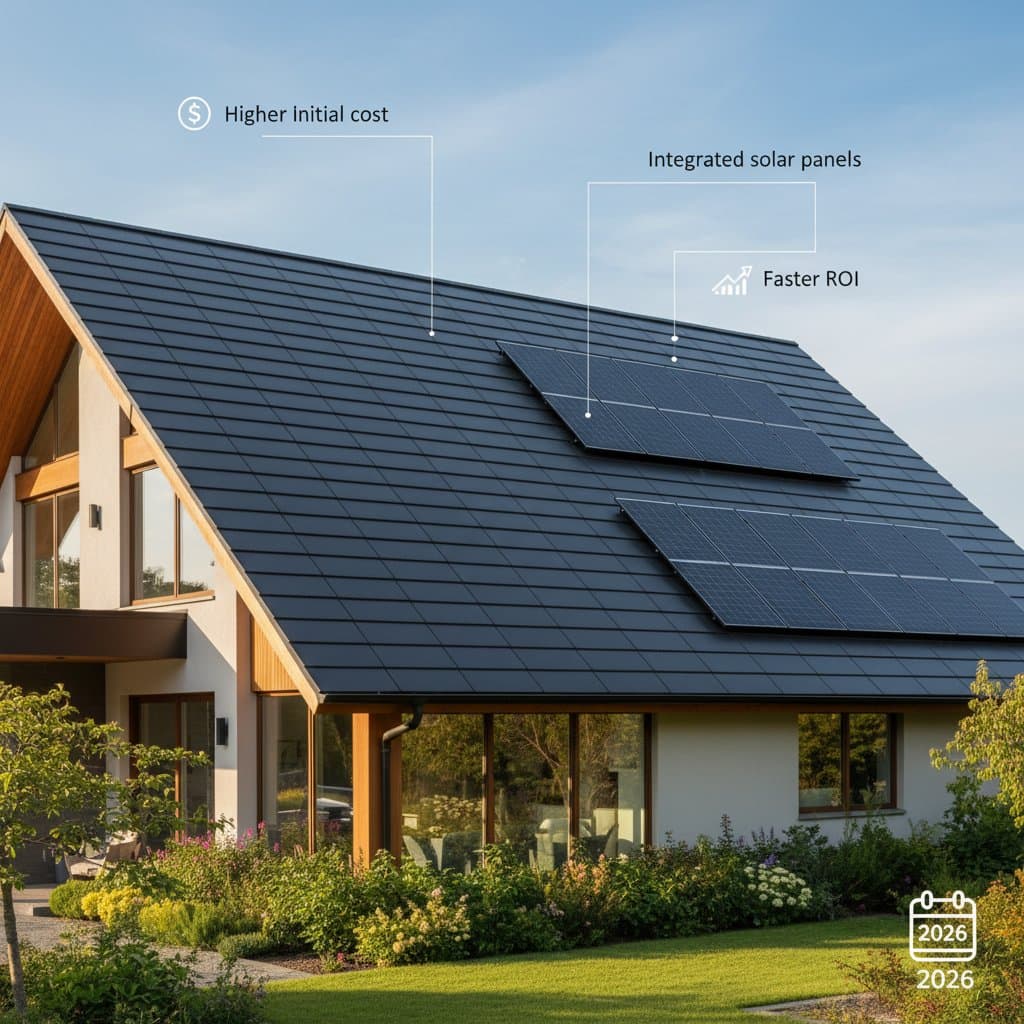
Solar roofs replace conventional roofing materials with photovoltaic tiles that generate electricity while providing weather protection. These systems, pioneered by companies like Tesla, mimic the appearance of slate or clay tiles. Traditional solar panels, in contrast, mount onto existing roofs using racks and frames.
The distinction lies in integration. Solar roofs eliminate the need for separate mounting hardware, reducing visible clutter. Panels require compatible roof structures, often necessitating reinforcements for optimal performance.
Homeowners must assess roof condition before installation. Aging roofs may demand replacement, tipping the scales toward solar roofs for a unified upgrade.
Detailed Cost Breakdown for 2026 Installations
In 2026, expect traditional solar panel systems to cost between $15,000 and $25,000 for an average home, before incentives. This figure covers panels, inverters, wiring, and labor. Federal tax credits reduce the net expense by 30 percent, bringing effective costs to $10,500 to $17,500.
Solar roofs command a premium, typically $40,000 to $60,000 for the same coverage area. The higher price stems from specialized materials and intricate installation processes. After tax credits, owners face $28,000 to $42,000 out of pocket, a $25,000 differential over panels.
Additional factors influence totals. Roof size, location, and energy needs dictate panel or tile quantities. Urban areas with higher labor rates add 10 to 20 percent to estimates. Permits and inspections contribute another $1,000 to $3,000 universally.
- Upfront Savings with Panels: Lower material costs enable broader accessibility for modest budgets.
- Solar Roof Premium Justification: Integrated design avoids future roof repairs, potentially saving $10,000 to $20,000 over decades.
- Financing Options: Loans and leases spread payments, making solar roofs viable through monthly installments under $300.
Efficiency and Performance Comparison
Both systems achieve 15 to 22 percent efficiency in converting sunlight to electricity. Solar roof tiles often match or exceed panel ratings due to advanced monocrystalline cells. However, panels benefit from flexible positioning to capture optimal angles.
Output depends on sunlight exposure. In sunny regions like California, a 5-kilowatt system from either option generates 7,000 to 8,000 kilowatt-hours annually. Shaded or northern climates yield 20 to 30 percent less.
Solar roofs excel in heat dissipation, maintaining efficiency in high temperatures. Panels may lose 0.5 percent output per degree above 77 degrees Fahrenheit. Integrated inverters in solar roofs streamline energy conversion, minimizing losses.
Maintenance impacts performance longevity. Panels require occasional cleaning and inspections every five years. Solar roofs, being the roof itself, demand standard roofing checks, with warranties covering 25 years of power output.
Longevity, Maintenance, and Home Value Impact
Traditional panels last 25 to 30 years, with degradation of 0.5 percent annually. Racking systems endure similarly, though roof penetrations risk leaks over time. Professional cleaning every two years preserves efficiency at a cost of $200 to $500.
Solar roofs promise 30 to 40 years of service, aligning with premium roofing lifespans. Tiles resist hail, wind, and UV damage better than panels. Built-in waterproofing eliminates leak concerns from mounting hardware.
Both enhance property appeal. Studies indicate solar installations boost home values by 4 percent on average. Solar roofs add a modern aesthetic edge, appealing to buyers in upscale markets. Panels suit practical, value-driven resale strategies.
Insurance considerations favor solar roofs. Integrated systems classify as roofing upgrades, often lowering premiums. Separate panel policies may increase rates by 5 to 10 percent due to theft or damage risks.
Calculating Payback Periods and Energy Savings
Payback for traditional panels occurs in 6 to 10 years, assuming $0.15 per kilowatt-hour utility rates. Annual savings reach $1,000 to $1,500, offsetting the initial investment swiftly. Excess energy fed to the grid via net metering accelerates returns.
Solar roofs extend payback to 12 to 18 years, given the elevated cost. Yet, lifetime savings exceed $50,000, factoring in avoided roof replacements and escalating energy prices. In high-utility-cost areas like Hawaii, payback shortens to under 10 years.
To compute personal payback:
- Estimate annual energy production based on system size and location.
- Multiply by local electricity rates for yearly savings.
- Divide total installation cost (post-incentives) by annual savings.
Tools from manufacturers provide precise simulations. Consider future rate hikes; projections show 3 percent annual increases through 2040.
Scenarios Where Solar Roofs Deliver Superior Value
Opt for solar roofs if aesthetics drive your decision. They blend invisibly with architectural styles, ideal for historic homes or visible rooftops. Durability suits harsh climates, preventing dual installations of panels and new roofs.
Budget-conscious owners favor panels for immediate affordability. Renters or short-term residents benefit from portable, removable setups. Those planning extensive renovations align solar roofs with comprehensive upgrades.
Environmental priorities also factor in. Solar roofs minimize material use by combining functions, reducing carbon footprints. Panels offer scalability for phased expansions as needs grow.
Consult certified installers for site-specific assessments. Energy audits reveal consumption patterns, ensuring system sizing matches usage without excess spending.
Steps to Invest Wisely in Solar Energy
Begin by reviewing utility bills to gauge solar potential. Contact multiple providers for quotes, comparing warranties and performance guarantees. Verify installer credentials through industry associations.
Explore incentives beyond tax credits, such as state rebates or local programs. Secure financing early to lock in rates. Monitor system performance post-installation via apps for optimal output.
Ultimately, the $25,000 premium for solar roofs pays dividends in seamless design and extended protection. Traditional panels deliver efficient, economical entry points. Align your choice with lifestyle, budget, and vision for a greener home.