Introduction to Greywater Systems and Their Value
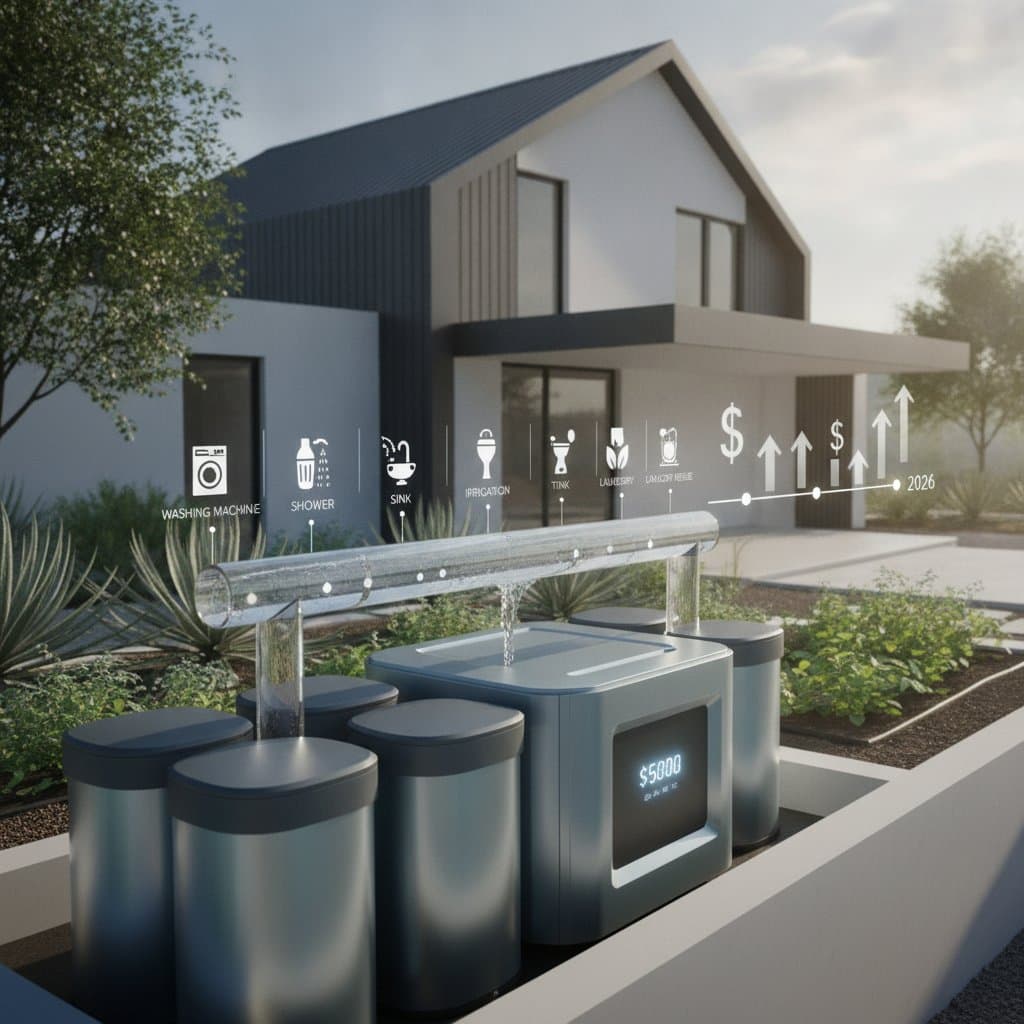
Greywater systems capture and reuse lightly contaminated water from sinks, showers, and laundry for irrigation or flushing toilets. These setups promote sustainability by decreasing reliance on freshwater sources and lowering water bills. Homeowners benefit from reduced environmental impact and potential incentives, though upfront costs vary based on system complexity.
Factors such as property size, local regulations, and installation method influence total expenses. Permits often range from $100 to $500, depending on jurisdiction, while materials and labor can span thousands. This breakdown by type clarifies expectations and aids informed decision-making.
Simple DIY Laundry-to-Landscape Systems
Laundry-to-landscape systems divert washing machine effluent directly to garden beds, representing the most affordable entry point. These gravity-based designs require minimal plumbing modifications and suit small households with outdoor irrigation needs.
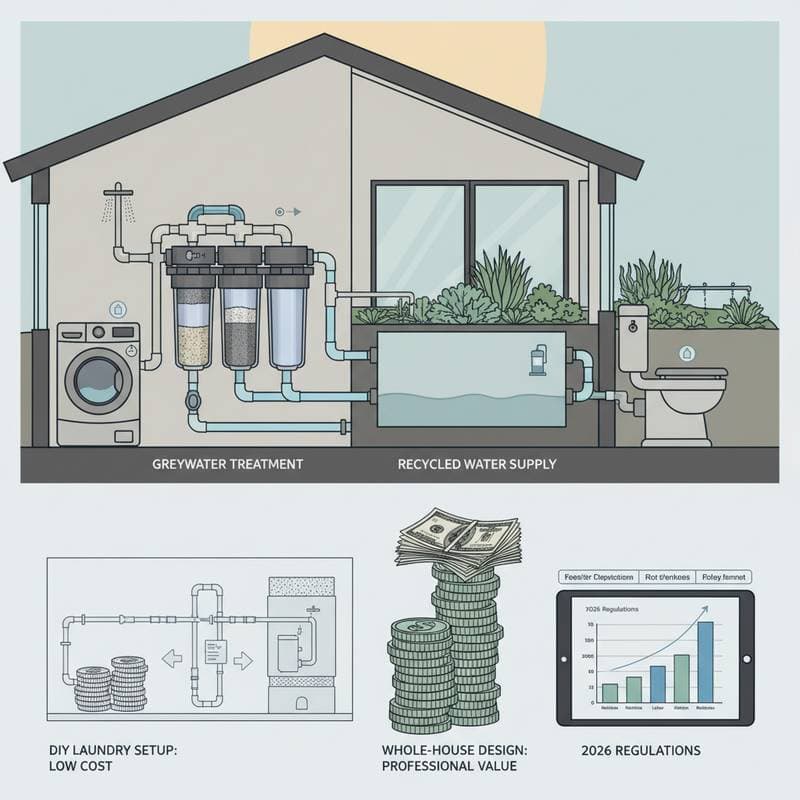
Installation costs typically fall between $200 and $800. Homeowners purchase surge tanks, filters, and hoses from hardware stores, often completing setup in a weekend. Permits may not apply in permissive areas, but soil testing ensures safe application.
Maintenance involves quarterly filter rinses to prevent clogs. Such systems recoup costs quickly through 20 to 30 percent reductions in outdoor water use, ideal for budget-conscious beginners.
Branched Drain Systems for Expanded Use
Branched drain systems collect greywater from multiple bathroom sources, distributing it via a network of pipes to landscape areas. These setups demand more planning than basic models but offer broader water recovery.
Expect costs of $1,000 to $3,000 for materials and DIY labor. Professional plumbers charge $2,500 to $5,000 for precise routing and compliance checks. Local codes frequently require permits and inspections, adding $200 to $400.
Site-specific adjustments, like installing diverter valves, enhance efficiency. Users report annual savings of $150 to $300 on water bills, with payback periods under five years in water-scarce regions.
Pumped Systems for Challenging Sites
Pumped systems incorporate electric pumps to move greywater uphill or across distances, suitable for flat lots or indoor reuse applications. Advanced filtration ensures water quality for toilet flushing or subsurface irrigation.
Budget $3,000 to $7,000 for components, including pumps and treatment units. Hiring specialists elevates totals to $8,000 to $12,000, covering electrical work and regulatory approvals. Energy-efficient pumps minimize ongoing expenses.
These systems excel in urban settings with space constraints. Professional design prevents common pitfalls like pump failures, ensuring reliable performance over a decade.
Whole-House Greywater Integration
Whole-house systems treat and redistribute greywater from all eligible fixtures, maximizing conservation in larger homes. Integration with existing plumbing requires engineering expertise for balanced flow and contaminant management.
Material and installation expenses range from $10,000 to $25,000. Permits, engineering plans, and compliance testing add $1,000 or more. Custom features, such as UV disinfection, justify higher investments for comprehensive sustainability.
Longevity reaches 15 to 20 years with proper care. Incentives like rebates up to $2,000 from water districts accelerate returns, often within three to seven years through substantial bill reductions.
These categories help set expectations, but local pricing and specific site conditions can shift totals dramatically. For example, sloped lots may need pressure pumps, while clay-heavy soil might require additional filtration.
Long-Term Maintenance and Operating Costs
Maintenance remains straightforward yet crucial for system longevity. Regular tasks include cleaning filters, inspecting pipes for blockages, and clearing irrigation outlets of debris. Failure to address issues promptly leads to inefficiency or system failures.
Annual expenses stay low at $50 to $200 for DIY efforts. Professional services, scheduled biannually, cost $150 to $300 per visit. Gravity-fed designs avoid electricity costs, whereas pumped variants add $20 to $50 yearly to utility bills.
Water conservation benefits typically exceed these minor outlays. Track performance through simple flow meters to optimize usage and extend equipment life.
Environmental and Financial Benefits
Greywater adoption eases demands on public water systems, particularly in drought-prone areas. Financial returns include consistent bill savings and eligibility for rebates or tax credits that offset initial outlays.
Research indicates up to 33 percent cuts in landscape watering, equating to hundreds of dollars saved annually. Property enhancements from such features appeal to eco-conscious buyers, potentially increasing resale value by 1 to 2 percent.
Documented installations demonstrate durability and compliance, underscoring responsible stewardship. These advantages extend beyond economics to foster resilient, resource-efficient living.
Steps to Install Your Greywater System
Approach installation as a deliberate process balancing finances, regulations, and practicality. Evaluate your property's layout and water usage patterns to select the appropriate type.
Follow these steps for success:
- Research local codes and secure necessary permits early to avoid delays.
- Assess DIY capabilities versus professional needs; obtain multiple quotes for clarity.
- Source quality materials suited to your soil and climate for reliable operation.
- Integrate maintenance into your routine from day one to maximize efficiency.
Tailor choices to your household's scale and goals. Thoughtful investment in a greywater system yields enduring savings and contributes to water conservation efforts worldwide.