Understanding Greywater Systems and Their Financial Benefits
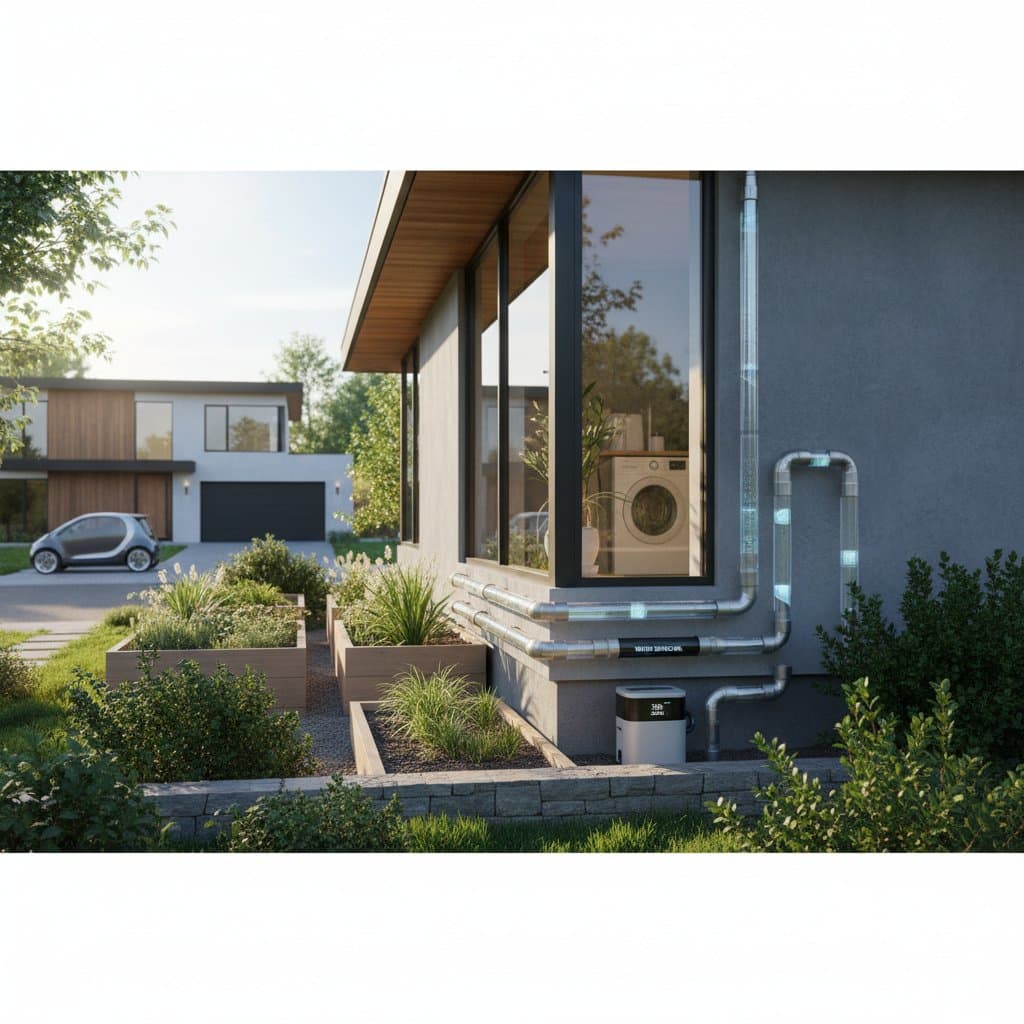
Greywater systems capture and repurpose mildly contaminated water from household sources such as laundry machines, showers, and bathroom sinks for uses like landscape irrigation. This approach significantly reduces reliance on municipal water supplies, leading to notable savings on utility bills. Homeowners typically see reductions of 25 to 40 percent in water costs, depending on system scale and local rates, while contributing to broader environmental conservation efforts.
The initial investment varies, but payback periods often range from two to five years through consistent usage. In regions facing water scarcity, these systems also increase property resilience and appeal to eco-conscious buyers. Before proceeding, evaluate your home's water consumption patterns to determine the most suitable system type.
Navigating Permits and Regulations
Compliance with local codes forms the foundation of any successful greywater installation. Regulations ensure safety, prevent contamination, and protect public health. Start by consulting your municipal building department or environmental agency to identify specific requirements in your area.
Key regulatory aspects include:
- Permit type: Basic systems often require only a non-structural plumbing permit, while intricate setups demand a full building permit accompanied by professional inspections.
- Separation distance: Greywater distribution lines must maintain a minimum of three feet from property boundaries and ten feet from any potable water sources to avoid cross-contamination risks.
- Backflow prevention: Install a one-way valve or air gap device to safeguard drinking water supplies from potential reversal flow.
- Signage: Clearly label all greywater pipes with warnings such as 'Non-potable water – do not drink' to inform residents and visitors.
- Discharge limits: Certain jurisdictions mandate subsurface irrigation only, prohibiting any surface pooling or runoff.
Permitting fees generally range from 50 to 400 dollars, influenced by local jurisdiction and system complexity. Although these costs appear modest, failure to obtain proper approval can result in substantial fines, system dismantling, or legal complications. Allocate time for the application process, which may involve submitting detailed plans or site diagrams.
Breaking Down Installation Steps
Installing a greywater system requires careful preparation, especially for those with limited plumbing experience. Simple setups, such as diverting laundry water to garden beds, suit weekend warriors comfortable with basic tools. Larger projects involving multiple fixtures or pressurized distribution demand the expertise of a licensed plumber to ensure reliability and code adherence.
Follow this step-by-step process for a smooth implementation:
- Plan system layout. Assess and map water sources, including laundry outlets, shower drains, or sink lines, while considering terrain and plant locations.
- Install a diverter valve. Position this control mechanism to switch flow between sewer lines and the greywater path, typically near the fixture's drain.
- Add filtration. Incorporate a mesh screen or sand filter to capture debris, lint, and residues, preventing clogs in downstream components.
- Connect irrigation lines. Employ one-inch PVC pipes or flexible polyethylene tubing to direct water to mulch basins or drip zones around plants.
- Test and adjust. Activate the system with water runs, monitor pressure levels, and fine-tune dispersion for uniform coverage without erosion.
Select biodegradable soaps and detergents to maintain system efficacy. Avoid harsh chemicals, bleach, or antibacterial agents, as they can damage soil microbiology and inhibit plant growth. Source these products from eco-friendly suppliers to align with sustainable practices.
Common Mistakes and How to Avoid Them
Many greywater systems underperform due to avoidable errors in design or execution. Thorough planning mitigates these issues, extending system longevity and maximizing returns. Review local guidelines and consult resources early to sidestep costly revisions.
Steer clear of these frequent oversights:
- Ignoring slope. Gravity-based systems require at least a two percent incline, equivalent to one-quarter inch drop per foot, to facilitate drainage and prevent stagnation.
- Using non-rated materials. Select pipes, fittings, and hoses certified for non-potable applications to resist degradation from soaps and moisture.
- Overwatering. Monitor soil moisture and adjust flow rates to match plant requirements, avoiding root rot from excess saturation.
- Skipping filtration maintenance. Schedule cleanings every one to two months to remove buildup and sustain water quality.
- Mixing sources improperly. Exclude kitchen wastewater or toilet effluents, as they contain high pathogen or grease levels unsuitable for greywater reuse.
If plumbing configurations seem complex, engage a local greywater specialist for an on-site evaluation prior to any modifications. This professional input prevents structural damage and ensures optimal performance.
Accessibility and Safety Considerations
Designing for inclusivity enhances usability, particularly in households with elderly members or individuals facing mobility challenges. Position key components to minimize physical strain, promoting safe and independent operation. Integrate these features from the outset to avoid retrofitting expenses.
Practical adjustments include mounting diverter valves and filter access panels at 36 to 42 inches from the floor, aligning with standard ergonomic heights. Opt for slip-resistant flooring or mats near control areas and storage tanks to reduce fall hazards. Mark outdoor discharge points distinctly, using color-coded stakes or signs, to differentiate them from potable water outlets and avert accidental misuse.
Additionally, incorporate child-proof locks on valves if young children reside in the home. Regular safety audits, conducted annually, help identify wear or potential risks before they escalate.
Cost-Saving Tips Without Cutting Corners
Achieving affordability does not necessitate compromising quality or compliance. Strategic decisions during planning and execution can substantially lower outlays while preserving durability. Focus on efficiency to balance initial expenditures with long-term gains.
Effective strategies encompass:
- Reuse existing plumbing. Integrate greywater lines into current drain infrastructure to minimize excavation and labor demands.
- Bundle with other renovations. Coordinate installation during bathroom or laundry remodels, capitalizing on open walls and exposed pipes.
- Choose gravity-fed designs. Eliminate the need for electric pumps, reducing both purchase prices and ongoing electricity consumption.
- DIY partial installation. Handle tasks like trench digging or tubing placement, reserving certified connections for professionals.
- Apply for rebates. Investigate incentives from water districts, which may provide 200 to 1,000 dollars for verified, compliant systems.
Implementing these measures can decrease overall costs by 20 to 40 percent. Track expenses meticulously and document installations for rebate claims, ensuring all elements meet regulatory standards.
When to Call a Professional
Certain scenarios warrant professional involvement to guarantee safety and effectiveness. If your home features older piping, complex layouts, or high water volumes, expert assessment proves invaluable. Licensed installers possess the knowledge to navigate codes, select appropriate materials, and troubleshoot potential issues.
Engage a specialist when:
- Pressurized systems or multi-fixture integrations are involved, requiring precise engineering.
- Local regulations demand certified inspections or specialized equipment.
- You lack experience with plumbing modifications, to prevent leaks or structural harm.
- The project exceeds basic diverter setups, such as whole-home configurations.
Professionals also offer warranties and maintenance contracts, providing peace of mind. Search for certified greywater experts through industry associations or local directories to secure reliable service.
Long-Term Maintenance and Expected Lifespan
Sustained performance hinges on routine upkeep, which keeps systems efficient and free from complications. With proper care, greywater installations last 15 to 25 years, outlasting many household appliances. Dedicate time quarterly to inspections, adapting to seasonal changes.
Essential maintenance practices include:
- Cleaning filters regularly to eliminate sediment and prevent blockages.
- Flushing irrigation lines each season to clear mineral deposits and debris.
- Inspecting valves and seals for leaks, replacing worn parts promptly.
- Using only plant-friendly detergents to avoid chemical buildup in soil.
Monitor water quality periodically with simple test kits, checking for pH balance and clarity. In arid climates, adjust for evaporation rates to optimize usage. These habits not only extend lifespan but also maintain the 25 to 40 percent savings trajectory.
Implementing Your Greywater Solution
Transitioning to a greywater system represents a tangible commitment to resource efficiency and household economics. Begin by drafting a tailored plan that accounts for your water sources, yard size, and budget constraints. Secure permits early, select components wisely, and commit to ongoing vigilance for optimal results.
From modest laundry diversions to comprehensive home integrations, each choice advances sustainability goals. The rewards extend beyond bill reductions to foster a resilient, water-smart living environment. Take the first step today toward a more efficient tomorrow.