Understanding Greywater Systems: Costs, Permits, and Savings
Household water recycling extends beyond niche environmental practices. Greywater systems represent a strategic choice for property owners seeking to lower utility expenses, ease pressure on public water resources, and enhance property worth over time. Grasping the elements that shape expenses, navigating permit procedures, and projecting returns enables informed decisions tailored to individual needs and financial plans.
Functions of a Greywater System
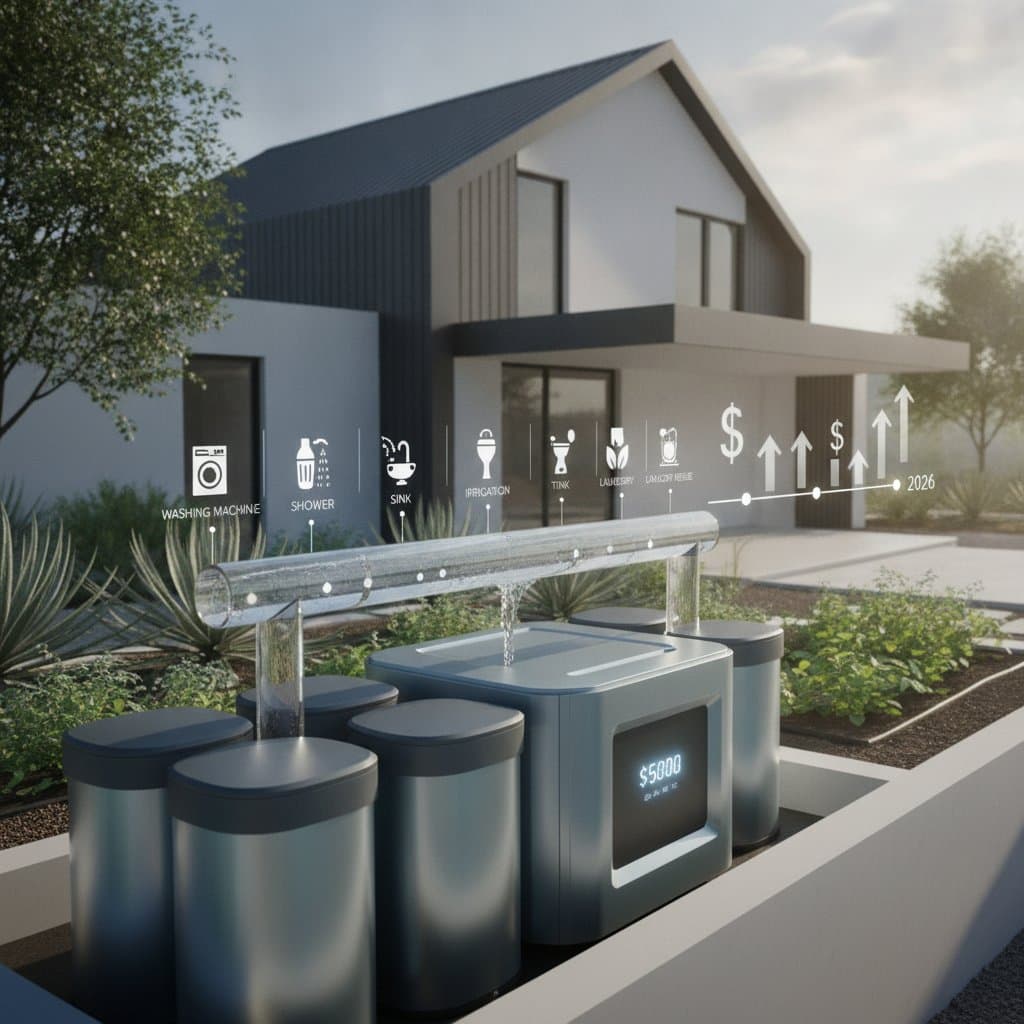
Greywater systems capture water from sources such as showers, bathtubs, bathroom sinks, and washing machines. This water undergoes filtration and redirection for uses like garden irrigation or toilet flushing. Such redirection diminishes daily reliance on potable water supplies. Essential components include modified plumbing lines, filtration units, pumps for pressure, and occasionally compact storage reservoirs to ensure suitability for reuse.
Many installations begin with a basic laundry-to-landscape configuration. This approach involves minimal plumbing adjustments and directs washing machine outflow straight to garden beds via gravity-fed hoses. For broader applications, advanced setups integrate multiple plumbing fixtures, incorporate holding tanks for temporary storage, and connect to precise drip irrigation networks. These comprehensive systems demand greater initial outlay yet deliver amplified efficiency and conservation results.
Consider household water usage patterns when selecting a system. A typical residence generates 20 to 50 gallons of greywater daily from laundry alone. Redirecting this volume supports lawn maintenance or ornamental plant watering without drawing from municipal lines. Professional assessments evaluate site-specific factors like soil type and yard layout to optimize system performance from the outset.
Detailed Cost Analysis by System Category
Expenses for greywater installations fluctuate based on scope, scale, and execution demands. Entry-level do-it-yourself options, which route laundry effluent to exterior landscaping, generally fall between $400 and $800. These setups require basic materials such as surge tanks, three-way valves, and mesh filters to manage flow and debris.
Professional installations addressing outputs from multiple bathrooms incorporate advanced filtration and pumping mechanisms. Costs for these range from $3,000 to $8,000, covering labor, materials, and basic testing. Factors influencing price include the number of fixtures connected, distance to irrigation zones, and necessity for electrical wiring to power pumps.
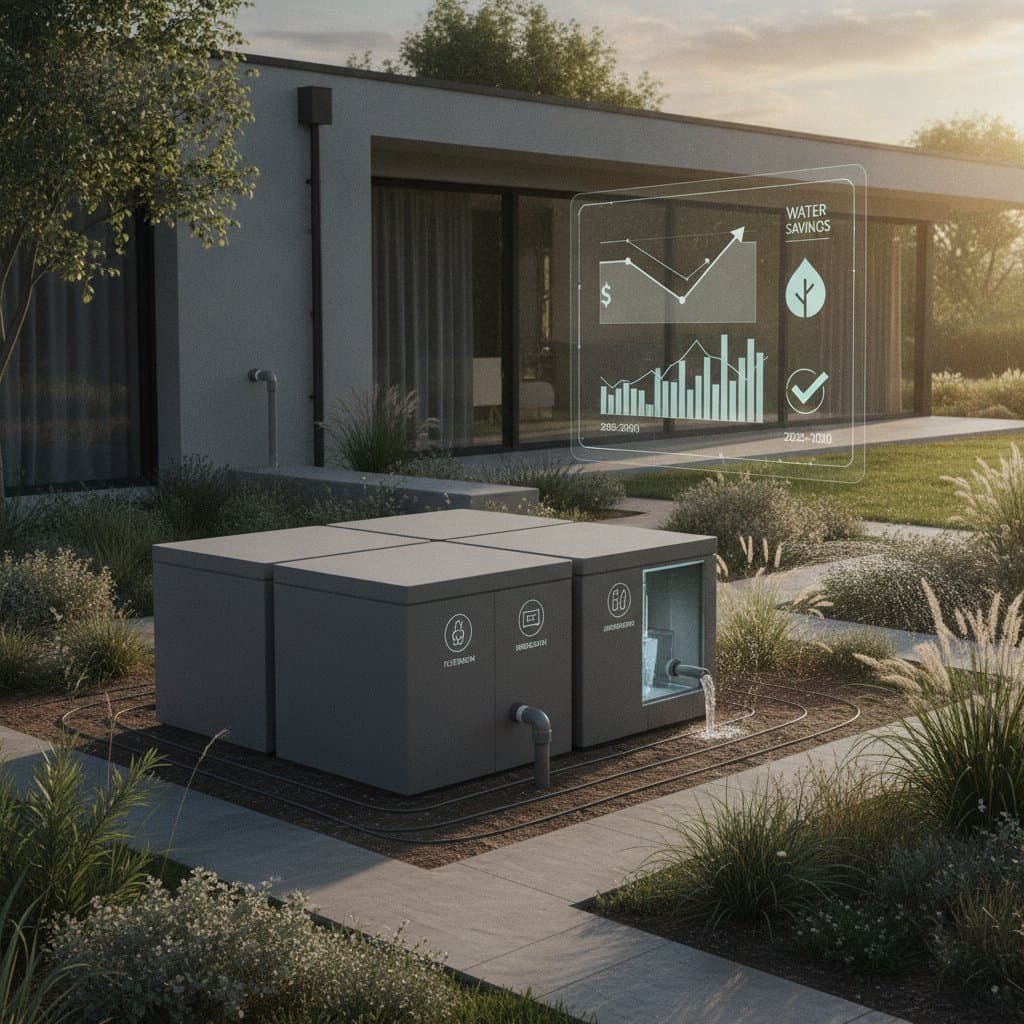
Larger-scale integrations, such as those linking greywater to automated irrigation controls or subsurface piping, exceed $10,000. These often involve collaboration between licensed plumbers and irrigation specialists to guarantee effective drainage, prevent soil saturation, and integrate with existing landscape features. Upfront investments in such systems yield proportional returns in water conservation for expansive properties.
Annual maintenance remains affordable at $100 to $200. This budget accounts for filter media replacements, pump lubrication, and valve adjustments. Routine checks identify issues like sediment accumulation early, averting costly repairs and ensuring consistent operation.
Navigating Permits and Regulatory Compliance
Overlooking permits poses significant risks during greywater projects. Most municipal building offices mandate approval for plumbing alterations involving water diversion or containment. Fees for these permits span $100 to $400, varying by jurisdiction and project magnitude.
Simpler laundry diversion systems often qualify for streamlined approvals, particularly if they avoid storage tanks or indoor reconnections. Jurisdictions may classify these as low-impact, requiring only a basic application and site diagram. In contrast, systems with tanks, pumps, or emitter-based distribution necessitate thorough plumbing inspections and potential health department evaluations to confirm pathogen control and environmental safety.
Consult local codes through your building department or online resources prior to starting. Some areas enforce setbacks from wells or edible gardens to mitigate contamination risks. Engaging a licensed plumber streamlines the process; many include permit acquisition and inspections within quoted services, minimizing delays and penalty exposures.
Document all steps meticulously. Maintain records of materials used, installation dates, and inspection outcomes. This paperwork supports warranty claims and facilitates future property sales by demonstrating regulatory adherence.
Projecting Savings and Return on Investment
Quantifiable benefits hinge on family composition, regional water tariffs, and reuse efficiency. A household of four might reclaim 15,000 to 30,000 gallons of drinkable water annually through greywater diversion. At average U.S. rates of $0.005 to $0.01 per gallon, this equates to $150 to $400 in yearly reductions.
Payback timelines for professional installations span six to ten years under standard conditions. High-water-cost regions or areas under conservation mandates accelerate returns, sometimes halving the period. Explore local incentives; certain cities provide rebates up to $1,000 or property tax credits for verified water-saving installations.
Factor in indirect gains. Reduced water demand lowers sewer fees in metered districts and bolsters home resale value by appealing to eco-conscious buyers. Long-term, these systems contribute to resilience against rising utility prices and supply shortages.
Ensuring Longevity Through Proper Upkeep
Greywater systems thrive with consistent care, potentially lasting 20 years or longer. Perform quarterly inspections of filters to remove lint and soap residues. Test valves for secure seals to avoid leaks that could damage foundations or landscapes.
Monitor distribution lines for blockages, especially after heavy usage periods. Clear mulch basins or emitter heads of debris to maintain even water spread and prevent root intrusion. Avoid directing greywater toward vegetable patches; reserve it for non-edible flora to uphold safety standards.
Annual professional servicing verifies pump functionality, electrical integrity, and overall compliance. Technicians can recalibrate flows based on seasonal needs, such as increasing irrigation during dry spells. Pair these practices with mindful habits, like using biodegradable detergents, to maximize efficiency and minimize environmental impact.
Investing in greywater yields practical rewards: tangible bill reductions, resource stewardship, and a fortified home infrastructure. By selecting the right system and committing to maintenance, homeowners position themselves for sustained financial and ecological advantages.