Greywater Systems: Costs, Permits, and Savings Guide
Homeowners seek effective methods to optimize water usage and minimize utility expenses. A greywater system achieves this by capturing water from sources such as sinks, showers, and laundry for reuse in irrigation or toilet flushing. These systems deliver financial benefits, conserve resources, and foster environmentally responsible living. However, navigating costs, permits, and installation demands clarity. This guide provides a thorough overview to inform your decision-making process.
Functions of a Greywater System
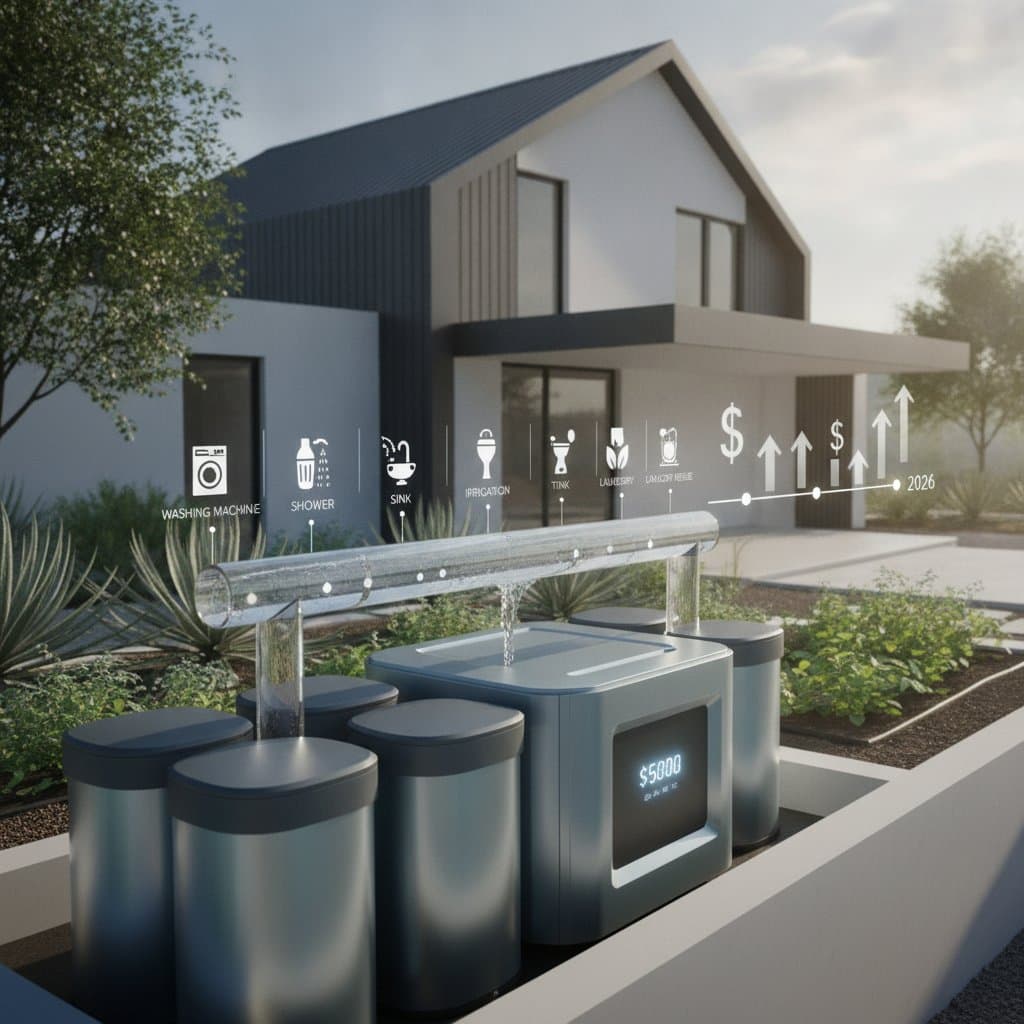
Greywater systems gather water from fixtures like bathroom sinks, bathtubs, and washing machines. The collected water passes through filtration or settling mechanisms that eliminate lint, soap residues, and minor debris prior to reuse. The primary objective involves redirecting this water, which would typically enter the sewer, toward non-drinking applications such as landscape watering or toilet flushing.
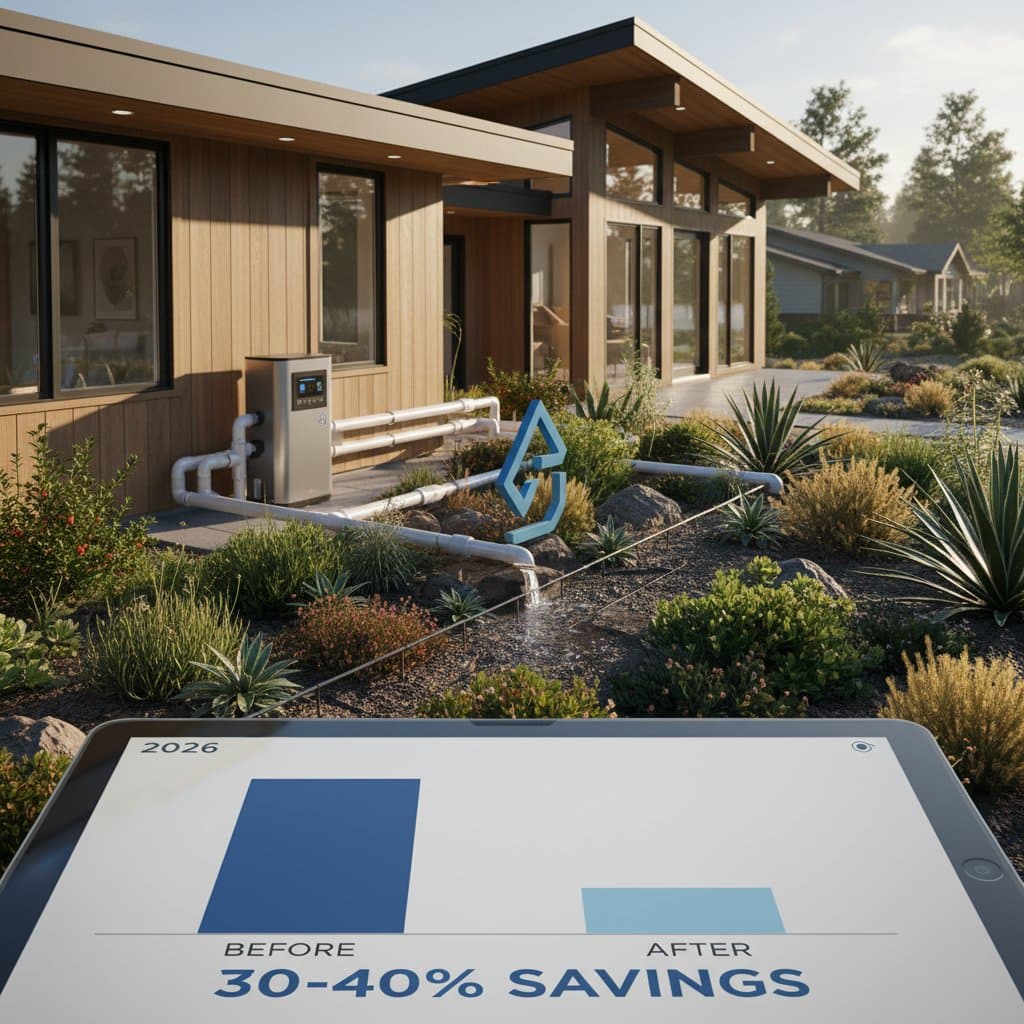
In typical households, such recycling efforts decrease overall water consumption by 30 to 40 percent. This reduction yields substantial monthly savings, particularly in regions with elevated water rates or drought-imposed restrictions. Consider assessing your current usage patterns to gauge potential impacts.
Detailed Cost Analysis
The expense of a greywater system varies based on its complexity and installation approach, whether professional or self-managed. Factors include the number of water sources integrated and site-specific plumbing adjustments. Below is a breakdown of common system types:
| System Type | Cost Range | Ideal Application | DIY Feasibility |
|---|---|---|---|
| Basic Laundry-to-Landscape | $400 to $1,200 | Small yards with budget constraints | High |
| Branched Drain System | $1,500 to $3,500 | Medium to large landscapes | Moderate |
| Pumped or Filtered System | $4,000 to $8,000 | Multi-source residential setups | Low |
| Whole-Home Integrated | $8,000 to $15,000 | New builds or major renovations | None |
Additional charges may arise from plumbing modifications, especially if existing lines require access or reconfiguration. Local regulations often mandate involvement from licensed plumbers or greywater experts for intricate designs. Budget for these elements during initial planning.
Navigating Permits and Regulatory Compliance
In most jurisdictions, a plumbing permit proves necessary for greywater systems linked to home drains. Exemptions occasionally apply to straightforward laundry-to-landscape configurations that rely solely on gravity flow without storage. Contact your local building authority early to confirm requirements.
Permit fees generally fall between $50 and $300, scaled to system scope. Certain areas provide incentives like rebates or expedited approvals to promote conservation. Compliance with the National Plumbing Code and health department guidelines ensures safety. Key standards include:
- A minimum 2 percent slope in gravity-fed pipes to facilitate flow.
- Filtration mechanisms prior to distribution to avoid blockages.
- At least 18 inches of soil coverage over subsurface lines for protection.
- Setbacks of 5 feet from foundations and 50 feet from water wells to prevent contamination.
Adhering to these specifications maintains legality and operational reliability. Schedule a pre-installation consultation with officials to align your design.
Deciding Between DIY and Professional Installation
For projects limited to a washing machine outlet, self-installation becomes feasible using essential tools like PVC pipes, a three-way diverter valve, a drill, a hole saw, and pipe cement. Incorporate a backflow preventer to safeguard drinking water supplies. Review instructional resources specific to your system type for step-by-step guidance.
Complex setups involving filtration, pumping, and multiple sources demand certified professionals. Experts evaluate flow volumes, select appropriate filters, and verify code adherence. Their involvement secures warranties, mitigates design errors, and ensures optimal performance through precise slope calculations.
Pitfalls to Sidestep in Implementation
Effective greywater integration requires meticulous preparation. Homeowners frequently overlook critical aspects, leading to inefficiencies. Steer clear of these errors:
- Selecting non-biodegradable or high-sodium soaps, which harm soil health.
- Neglecting slope specifications, resulting in water pooling and unpleasant odors.
- Combining blackwater from toilets or kitchen sinks with greywater streams.
- Excessive plant watering without monitoring soil conditions or seasonal needs.
Engage a greywater consultant for a preliminary design assessment. This step identifies vulnerabilities and averts repair costs down the line.
Estimating Savings and Return on Investment
Potential savings hinge on household water volume and regional rates. A branched drain system in an average home conserves 10,000 to 25,000 gallons annually, equating to $150 to $400 in yearly reductions. Track your utility statements over several months to establish a baseline for projections.
Utility providers in supportive areas offer rebates, such as $1 per irrigated square foot or up to $500 per installation. These incentives accelerate payback periods, often to three to five years. Investigate available programs through your water district's conservation office prior to proceeding.
Steps to Implement Your Greywater Project
Greywater systems merge innovative engineering with tangible ecological advantages. Options range from modest laundry diversions to comprehensive home integrations, each delivering measurable returns. Initiate your journey by reviewing local ordinances, drafting a site diagram, and projecting reuse volumes. With requirements clarified, choose your installation path to realize long-term efficiency and resource stewardship.