Understanding Greywater Systems
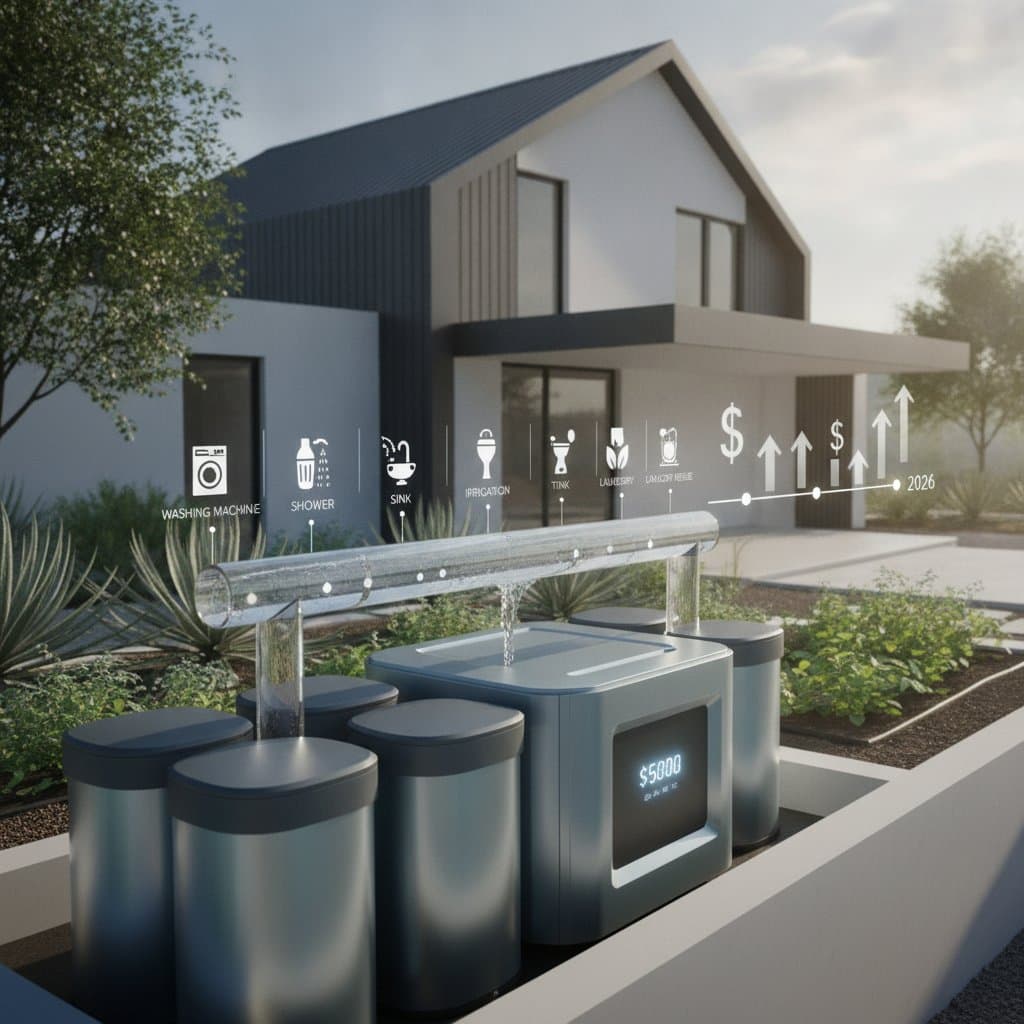
Greywater refers to wastewater from household sources such as sinks, showers, and washing machines, excluding toilet waste. These systems collect and treat this water for reuse in irrigation or flushing toilets, conserving fresh water resources. In 2026, advancements in filtration technology make these setups more efficient and accessible for homeowners.
The primary appeal lies in their environmental impact. By recycling water on-site, users decrease reliance on municipal supplies and lower their ecological footprint. Many regions now incentivize installation through rebates, reflecting growing emphasis on water conservation.
Key Benefits of Installing a Greywater System
Homeowners benefit from substantial reductions in water usage, often up to 40 percent for irrigation needs. This translates to lower utility bills over time, with payback periods typically ranging from three to seven years. Additionally, these systems enhance property appeal in eco-conscious markets.
Sustainability extends beyond finances. Greywater reuse supports local aquifers by minimizing extraction demands and reduces wastewater treatment loads on public systems. For families in arid climates, this approach ensures reliable landscaping without excessive watering.
Types of Greywater Systems Available in 2026
Simple diversion systems route untreated greywater directly to gardens, suitable for non-potable uses like tree irrigation. These require minimal plumbing changes but demand soil testing to avoid contamination risks. In 2026, basic models cost between $500 and $1,500, depending on home size.
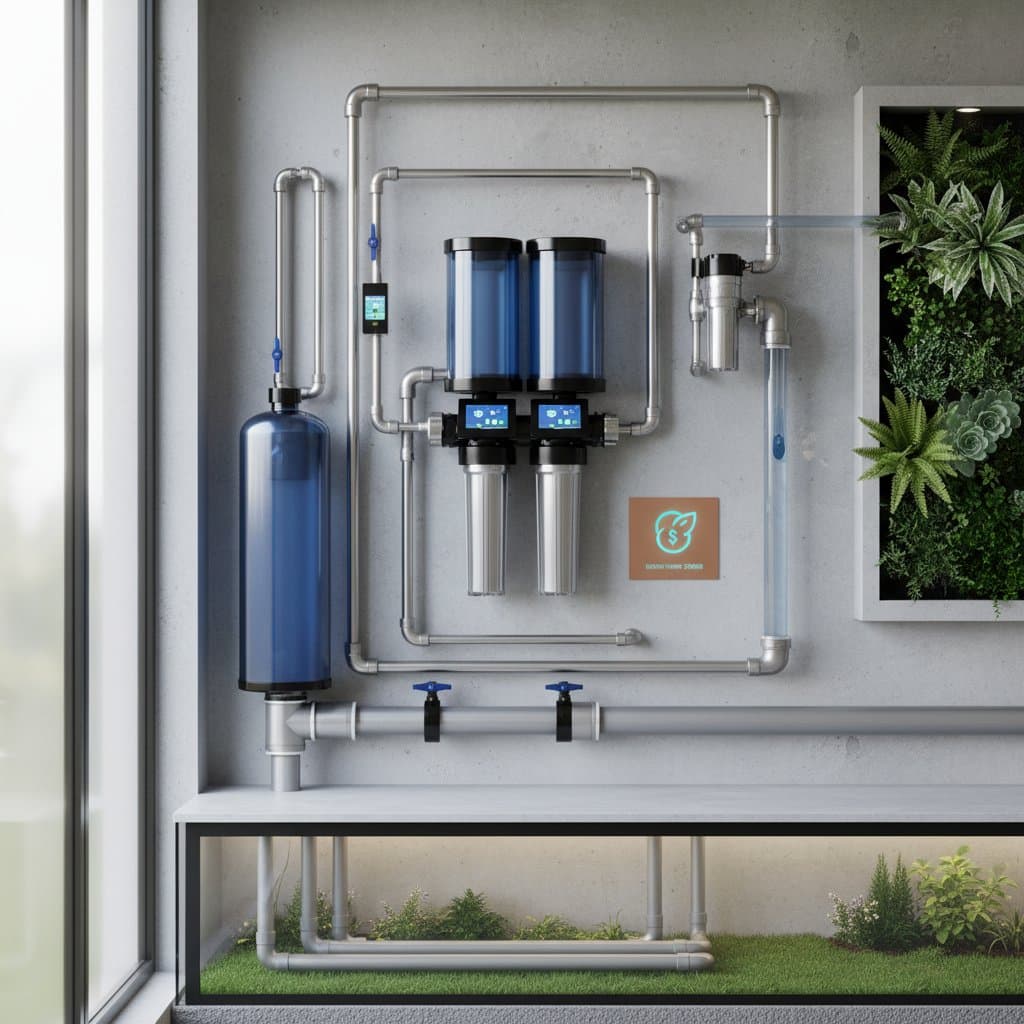
Advanced treatment systems employ filters, pumps, and disinfection units to produce higher-quality water for broader applications. Such setups include ultraviolet purification, aligning with stricter health standards. Prices for these range from $3,000 to $10,000, offering versatility for urban and rural properties.
Laundry-to-landscape systems focus on washing machine output, a common greywater source. They integrate easily with existing appliances and suit smaller households. Expect costs of $200 to $800 for components, plus labor if needed.
Breakdown of Installation Costs in 2026
Initial expenses vary by system complexity and location. A basic DIY diversion setup might total $1,000, covering pipes, diverters, and mulch basins. Professional installations add $2,000 to $5,000 for labor, ensuring code compliance and optimal performance.
Permits contribute $200 to $1,000, depending on local regulations. Some areas mandate engineering reviews, increasing fees. Material costs rise with premium filters; for instance, biofiltration units add $500 to $2,000.
Ongoing maintenance includes filter replacements at $100 to $300 annually and pump servicing every two years. Energy use remains low, with solar-powered options emerging in 2026 to eliminate electricity costs. Total first-year outlay averages $3,500 for mid-range systems.
Navigating Permits and Regulations
Most municipalities require permits for greywater installations to protect public health. Begin by contacting your local building department for specific guidelines, which often classify systems by treatment level. Simple diverters may qualify for streamlined approvals, while treated systems need detailed plans.
Compliance involves site assessments for soil percolation and setback distances from wells. In 2026, updated codes in water-scarce states emphasize backflow prevention and monitoring ports. Budget time for inspections, typically two to four weeks post-application.
Rebates from utilities or environmental programs can offset 20 to 50 percent of costs. Research state incentives early; for example, California offers grants up to $1,000 for qualifying projects. Proper documentation ensures eligibility and avoids fines.
DIY Versus Professional Installation Options
DIY approaches suit handy individuals with basic plumbing knowledge. Start with a site evaluation, then install diverters and routing lines following manufacturer guides. Tools needed include shovels, PVC cutters, and levels; complete projects in a weekend for under $1,500.
Professional services provide expertise for complex layouts, especially in multi-story homes. Certified installers handle permits and warranties, reducing error risks. Costs range from $4,000 to $12,000, but include performance guarantees lasting five to ten years.
Hybrid methods combine self-prep with expert oversight. Homeowners dig trenches while pros connect electrical components. This balances savings and reliability, ideal for budgets around $2,500.
Calculating Long-Term Savings and ROI
Annual water savings average $200 to $500 for a family of four, based on 30 percent usage reduction. In high-cost areas, this accelerates ROI to under five years. Track bills pre- and post-installation to quantify benefits accurately.
Property value increases by 1 to 3 percent in green-certified homes, per real estate analyses. Resale advantages appeal to buyers prioritizing sustainability. Maintenance costs remain predictable, rarely exceeding $400 yearly.
Future-proofing with scalable systems allows expansions, such as adding rainwater integration. In 2026, smart sensors for water quality monitoring enhance efficiency, justifying upfront investments through data-driven optimizations.
Selecting the Right System for Your Home
Assess your water usage patterns and landscape needs first. High-shower households benefit from full treatment systems, while low-maintenance gardens suit diverters. Consult local experts for tailored recommendations.
Consider climate factors; arid regions favor robust filtration to handle salts. Budget for scalability if planning additions like guest suites. Test soil and water quality to match system capabilities.
Prioritize certified products from reputable brands, ensuring durability and support. Read user reviews for real-world performance in similar settings. Final choices should align with lifestyle and financial goals.
Realizing Sustainable Water Management
Implementing a greywater system positions you as a proactive steward of resources. The combined financial and environmental returns make it a worthwhile endeavor in 2026. Start planning today to secure these advantages for your household.