Greywater in 2026: Costs, Permits, and Smart Savings
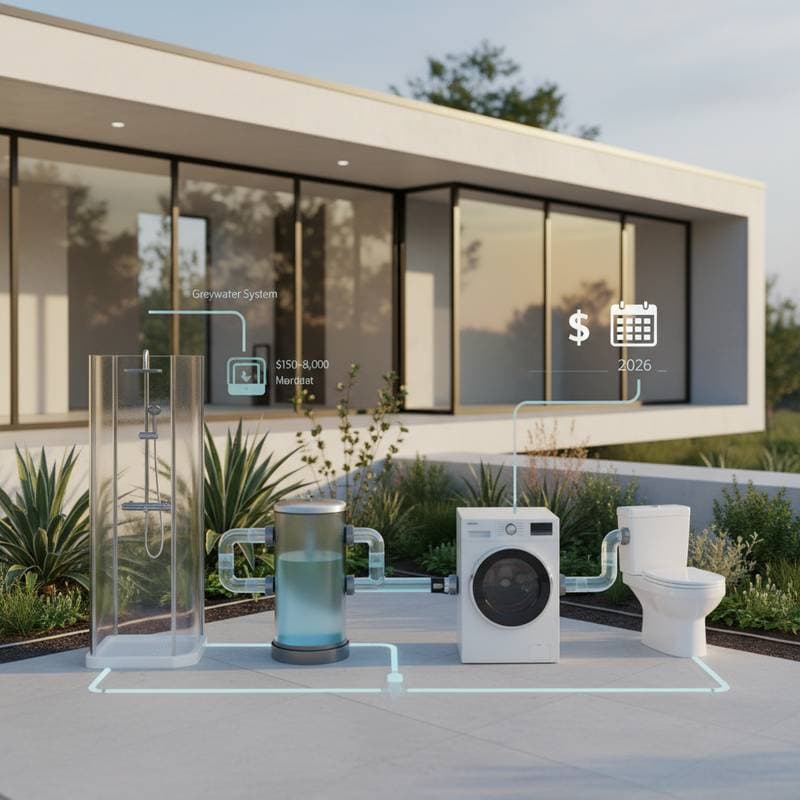
Household water reuse stands as a practical method to minimize waste and decrease utility expenses. Greywater systems collect water from sources such as showers, sinks, and washing machines, then channel it toward irrigation or toilet flushing. Homeowners committed to sustainability and financial efficiency must grasp planning, budgeting, and regulatory compliance prior to launching a greywater initiative.
Understanding Greywater System Costs
Greywater systems vary in sophistication and expense based on home size, integrated features, and regional plumbing mandates. Options span from basic manual configurations to advanced automated setups incorporating filtration and reservoirs.
Typical cost breakdowns include:
- DIY greywater systems: Elementary designs that route water straight to landscaping range from $150 to $500 for supplies like hoses, diverter valves, basic filters, and connectors. Labor represents the primary commitment, demanding precise pathways to avoid contamination risks.
- Professional installations: Full, regulation-adhering systems typically cost $2,000 to $8,000, influenced by elements such as subsurface tanks, pumps, or landscape integration. Laundry-specific reuse setups often prove more affordable.
- Maintenance expenses: Annual outlays of $100 to $300 cover filter changes and routine checks. Consistent care preserves water purity and operational dependability.
Factors that Influence Pricing
Multiple elements shape total expenditures:
- Home layout: Structures with multiple levels or intricate piping demand extensive modifications.
- Water volume: Households with more occupants produce higher greywater yields, necessitating expanded storage.
- Filtration type: Sophisticated purification modules increase prices yet broaden application possibilities, such as indoor reuse.
- Local codes: Certain jurisdictions mandate licensed technicians or enhanced backflow safeguards, elevating overall fees.
When DIY Saves Money and When It Does Not
A straightforward gravity-based setup suits skilled individuals as a weekend endeavor, yielding substantial savings. Errors, however, may cause leaks, unpleasant smells, or pollutant spread. For expansive installations or those linking to interior lines, expert involvement delivers superior longevity, regulatory adherence, and reduced future repairs.
DIY vs Professional: Making the Right Choice
The decision between self-installation and expert services hinges on personal proficiency in plumbing and adherence to area rules.
Benefits and Drawbacks of DIY
Advantages:
- Reduced initial outlay
- Personalized customization
- Direct educational gains through practical application
Drawbacks:
- Demands specialized knowledge
- Potential for leaks, contamination, or structural harm
- Restricted viability in zones with rigorous plumbing standards
Benefits of Hiring Professionals
Experts provide specialized knowledge in layout, hazard mitigation, and legal conformity. They establish optimal drainage gradients, deploy robust filters, and manage permitting processes. Although upfront costs rise, such systems enhance performance and endurance over time.
Time and Safety Considerations
Self-directed efforts often span multiple weekends, with errors risking greywater mingling with drinkable supplies. Specialists finish within a few days, ensuring secure isolation of water streams and minimizing health concerns.
Your Greywater Questions, Answered
Industry specialists address frequent inquiries below.
What Types of Water Can Be Reused?
Greywater encompasses outflows from showers, bathtubs, lavatories, and laundry appliances. Discharges from kitchen sinks or toilets demand separate blackwater treatment due to higher pathogen levels.
Do I Need a Permit for a Greywater System?
Plumbing alterations or storage features typically require approvals in most locales. Exemptions may apply to uncomplicated exterior diversion systems employing gravity and upholding hygiene protocols.
How Much Water Can I Save?
An average family reclaims 25 to 40 percent of wastewater volume, curbing landscape watering needs and discharge charges substantially.
Is Greywater Safe for Plants?
Filtered greywater benefits decorative flora and turf when applied correctly for irrigation. Refrain from direct contact with food-bearing vegetation absent rigorous purification.
How Often Should Filters Be Cleaned?
Examine filters quarterly and substitute them annually to sustain circulation and eliminate scent buildup.
What Are the Maintenance Requirements?
Routine duties involve valve assessments, filter servicing, pipe clearance checks, and prevention of stagnant pools that invite insects.
Are There Any Health Risks?
Well-engineered setups present low hazards. Maintain strict separation from potable sources and eliminate any exposed accumulation.
Can I Use Laundry Water Directly?
Laundry diversion to gardens ranks among simple, low-cost approaches. Select plant-friendly, eco-compatible cleaners to safeguard earth and growth.
What Happens During Cold Seasons?
In freezing areas, evacuate exterior conduits ahead of winter to avert rupture from ice expansion.
What Questions Should I Ask a Professional Installer?
Inquire regarding proposed configurations, permitting logistics, code alignment, ongoing care protocols, and guarantee terms.
How to Decide: Your Step-by-Step Guide
- Assess your water use: Tally daily greywater output from fixtures like showers and washers using usage logs or estimates.
- Evaluate your skills: Gauge plumbing aptitude realistically; consult tutorials or experts if uncertain.
- Check local regulations: Reach out to municipal authorities for precise permitting and installation guidelines.
- Compare costs: Factor in procurement, setup, upkeep, and projected utility reductions over five years.
- Consider long-term goals: Opt for robust professional builds if home retention exceeds a decade, boosting property appeal.
Preparing for Your Greywater Project
Initiate by mapping your property's plumbing routes and identifying irrigation zones. Gather material quotes from suppliers and review case studies of similar home setups. Schedule consultations with certified plumbers to align your vision with feasible, compliant outcomes.
Implementing Your Greywater Solution
Launch with a detailed blueprint that integrates cost controls and efficiency measures. Track initial performance through water meter readings to refine usage. Over time, this investment not only conserves resources but also elevates your home's environmental footprint.