Preparing for 2026 Greywater Installation: Costs, Permits, and Savings
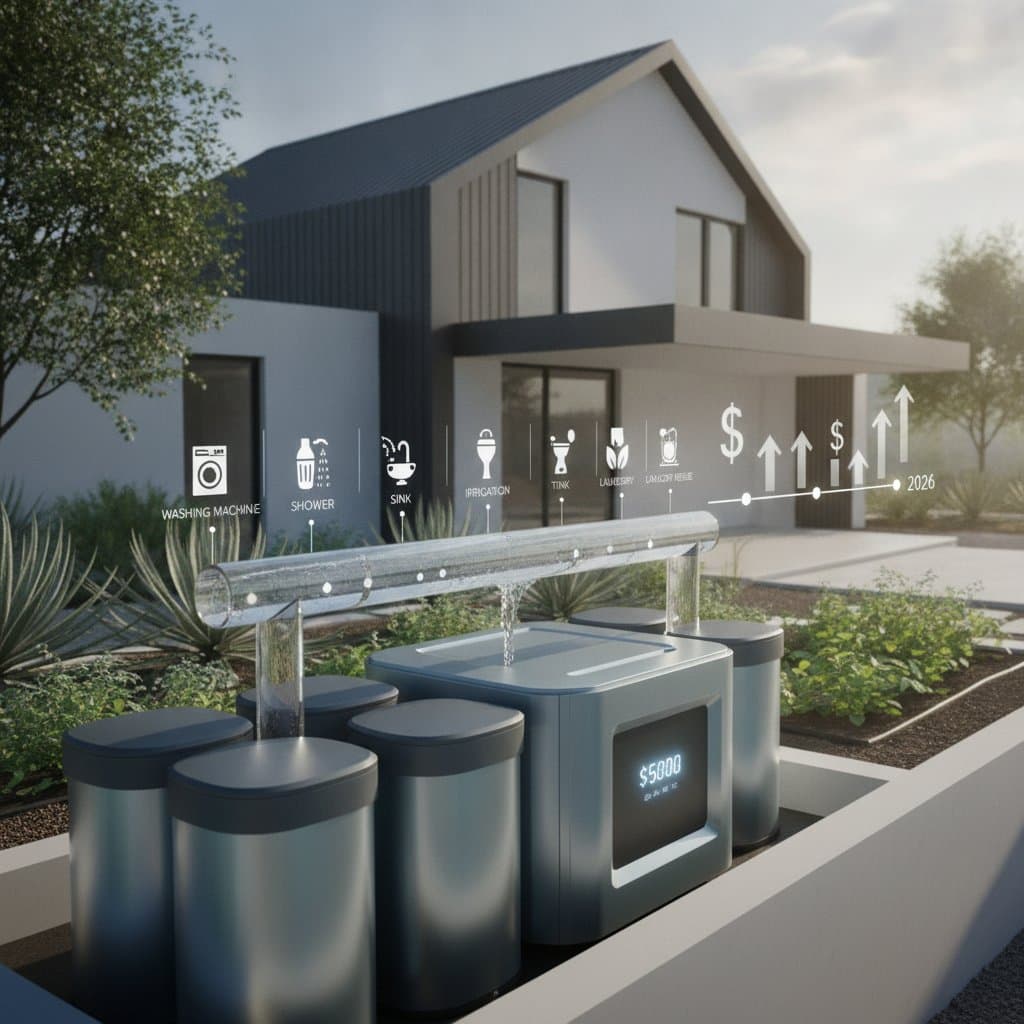
Greywater recycling emerges as a viable option for homeowners seeking to lower water expenses and ease environmental pressures. These systems capture lightly soiled water from sources such as showers, bathtubs, and washing machines, then redirect it for tasks like landscape irrigation or toilet flushing. A thoughtfully planned installation delivers ongoing financial benefits and aligns with sustainable practices. Grasping the associated costs, regulatory demands, and advantages equips you to evaluate this upgrade for your residence.
Functions of a Greywater System
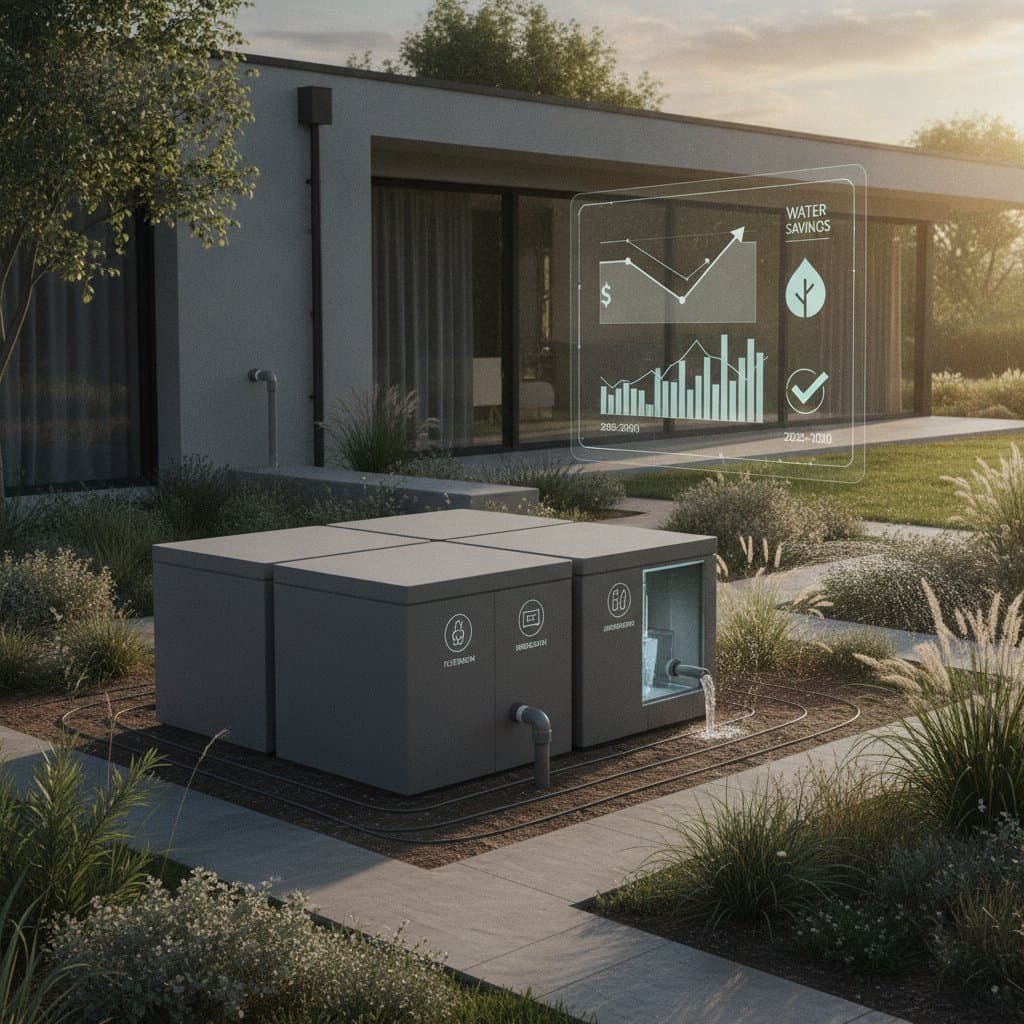
Greywater systems gather water from designated household fixtures, apply necessary filtration, and channel it toward non-potable applications. These setups exclude blackwater, which encompasses sewage and kitchen wastewater due to higher contamination levels. The primary categories include simple diversion systems that route water with basic treatment to outdoor uses, and advanced treatment systems that employ filtration and biological methods for potential indoor reuse.
Selection hinges on factors like site configuration, regulatory constraints, and intended applications. For instance, a diversion system suits properties with ample yard space for direct irrigation, while treatment systems fit homes aiming for broader reuse. Evaluate your daily water patterns to match the system scale with household needs.
Estimating Installation Costs
Expenses for greywater systems fluctuate based on design intricacy and scale. A straightforward diversion setup ranges from $500 to $2,000, encompassing basic piping and a surge tank. More elaborate treatment systems, involving pumps and advanced filters, often total $3,000 to $10,000 or higher, factoring in plumbing alterations and storage components.
Budget planning benefits from itemized categories:
- Basic diverter kit: Costs $200 to $500; ideal for subsurface irrigation in small yards, with DIY potential using standard tools.
- Filtration-enhanced system: $1,500 to $4,000; incorporates multi-stage filters and a 50-gallon tank for expanded garden coverage.
- Full treatment setup: $5,000 to $15,000; supports indoor plumbing integration, necessitating certified labor for electrical and hydraulic components.
Homeowners undertaking preliminary site preparation, such as trenching, can trim labor fees by 20 to 30 percent. Engage a specialist for final connections to safeguard against leaks or inefficiencies.
Navigating Permit Requirements
Local authorities mandate permits for installations altering plumbing or affecting soil discharge to uphold health standards and protect aquifers. Initiate the process by consulting your municipal building department or water district for specific forms and fees, typically $100 to $500.
Standard stipulations encompass:
- Submission of detailed blueprints showing system layout and materials.
- On-site inspections confirming backflow preventers and filtration efficacy.
- Certification that effluent meets purity thresholds, often verified through soil percolation tests.
Certain areas provide incentives, such as rebates up to $1,000 or property tax reductions for compliant projects. Proactive engagement with officials streamlines approvals, often resolving within 4 to 6 weeks.
Choosing Between DIY and Professional Installation
Experienced individuals with plumbing knowledge can tackle simple systems, like a laundry-to-mulch basin conversion, in a weekend using off-the-shelf parts. Key considerations include calculating pipe diameters for optimal flow, ensuring a 2 percent slope for gravity drainage, and testing soil absorption rates to avoid pooling.
Opt for professionals in scenarios such as:
- Indoor reuse requiring dual plumbing lines.
- Retrofitting older structures with limited access points.
- Achieving formal certification for insurance or marketability.
Experts deliver tailored advice on component sizing and integrate smart sensors for automated monitoring. Many report recouping investments in 3 to 5 years via bill reductions exceeding $200 annually.
Calculating Long-Term Savings
These systems yield tangible returns through water conservation, with typical households achieving 25 to 40 percent drops in utility charges. In arid climates, annual savings reach $300 to $600, amplified by scaling to match irrigation demands. Enhanced property appeal to green-minded purchasers can boost resale values by 5 to 10 percent.
Environmental contributions extend to preserving municipal resources, equivalent to supplying 10,000 gallons yearly per home. One documented installation diverted 15,000 gallons from the grid over a summer, halving landscape watering needs while sustaining plant health.
Implementing Maintenance Routines
Reliable performance demands regular attention to avert issues like blockages or degradation. Bi-weekly filter cleaning prevents sediment accumulation, while monthly tank inspections detect early algae formation.
Develop a maintenance protocol:
- Rinse sediment traps after each heavy-use period.
- Flush distribution lines quarterly with a vinegar solution to dissolve minerals.
- Examine drip emitters for uniformity, replacing clogged units promptly.
- Service pumps annually, checking seals for wear.
Consistent adherence extends system longevity to 15 years or more, minimizing repair costs under $200 yearly.
Broader Environmental and Community Advantages
Individual adoption bolsters regional water security by lightening infrastructure loads. Each system offsets approximately 50 percent of irrigation demands, fostering stable groundwater levels amid population growth.
Integration with complementary measures, such as permeable paving or drought-resistant plantings, amplifies impacts. Communities embracing these practices often see collective reductions in water imports, yielding long-term economic stability.
Optimizing System Performance Over Time
Sustain efficiency by educating household members on compatible products, favoring phosphate-free detergents to protect microbial balances. Monitor usage via inline meters to adjust diversions seasonally, directing more volume to thirsty areas in summer.
Arrange yearly audits with installers to recalibrate based on evolving needs, such as adding fixtures during expansions. Retain all records, including as-built diagrams, to facilitate updates or transfers. Through diligent oversight, greywater systems evolve into enduring assets, blending fiscal prudence with ecological stewardship.