Greywater System Costs: Permits and Savings Revealed
Water bills never seem to go down, and for homeowners trying to live sustainably, every gallon matters. Greywater systems offer a smart way to reuse household water from sinks, showers, and laundry for irrigation or toilet flushing. Before installing one, though, it helps to understand what it costs, what permits you’ll need, and how much you can actually save.
This guide covers everything you should know about greywater system costs, from materials and installation to maintenance and long-term savings. You’ll walk away knowing exactly what to budget and how to make your investment pay off.
What a Greywater System Does
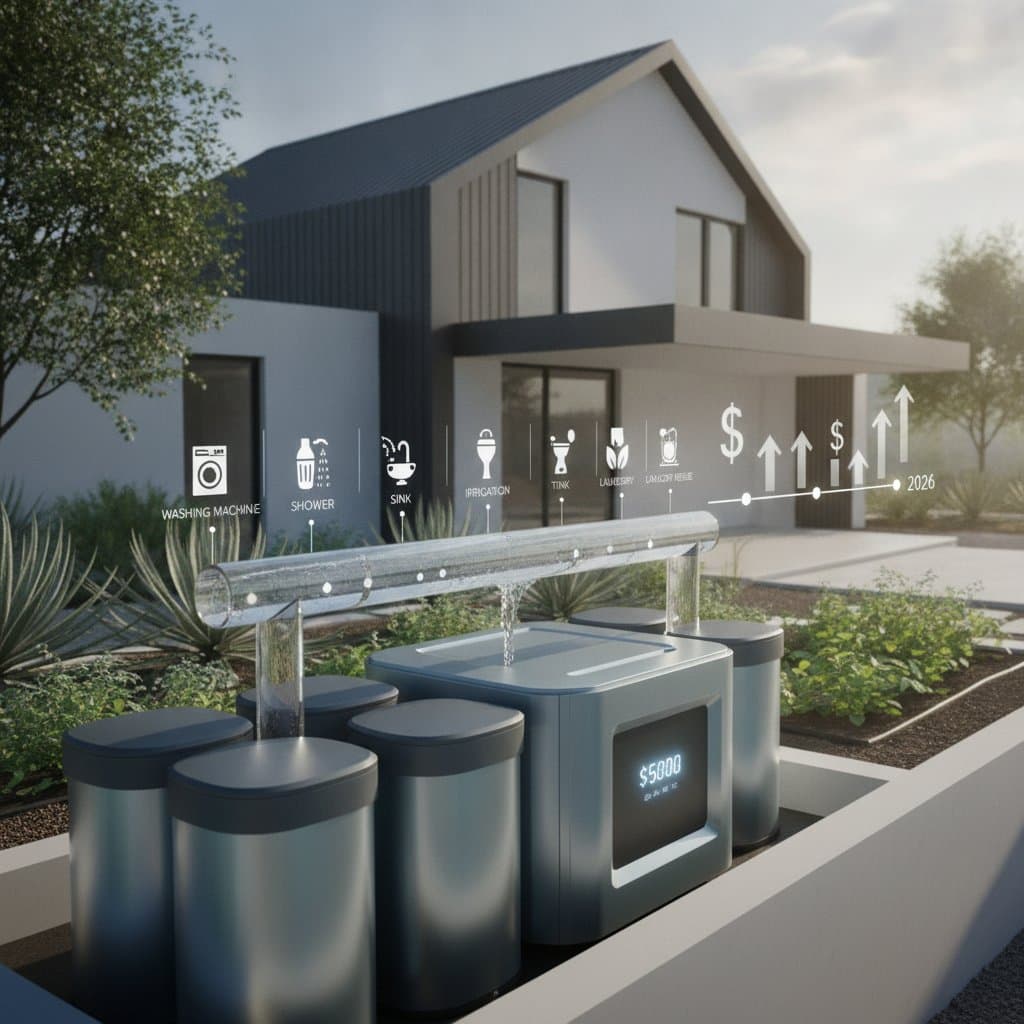
A greywater system collects lightly used water from bathroom sinks, tubs, and washing machines, then filters and redirects it for reuse. It never includes water from toilets or kitchen sinks, which is called blackwater and requires full sanitation treatment.
Reusing greywater can reduce household water use by 25 to 40 percent, depending on the setup and your local climate. For homes with lawns or gardens, the difference can be even greater.
Quick Overview of System Types
| Type | Description | Cost Range | Best For |
|---|---|---|---|
| Laundry-to-landscape | Simple hose and diverter system routing washing machine water outdoors | $250 to $800 DIY, $1,000 to $2,500 installed | Small yards, budget projects |
| Gravity-fed irrigation | Collects water from multiple fixtures, relies on slope for flow | $2,000 to $5,000 | Homes with downhill gardens |
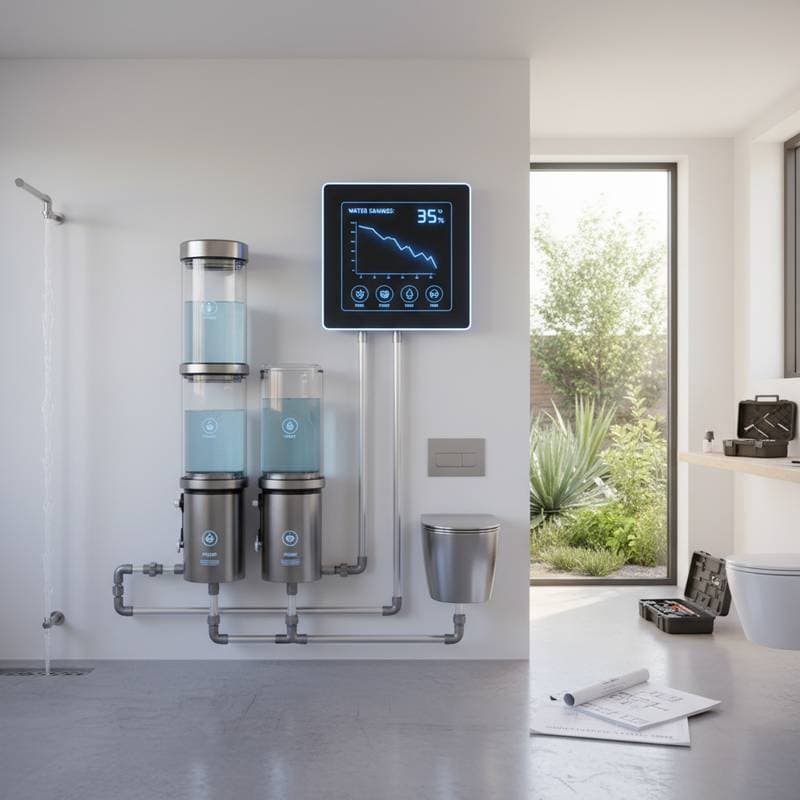
| Pumped and filtered reuse | Includes tanks, filtration, and pumps for indoor reuse | $5,000 to $15,000+ | Large homes, toilet or drip irrigation use |
Each system type fits different needs. If you only want to irrigate trees or shrubs, the laundry-to-landscape approach is often enough. For homes planning toilet reuse or more advanced distribution, a pumped and filtered system is required.
Understanding Permit Requirements
Most local building departments require permits for any system that connects to indoor plumbing or stores water. Simple laundry-to-landscape systems often qualify for a permit exemption since they connect directly to the washing machine hose and use gravity flow.
For more complex systems, you’ll usually need:
- Plumbing permit to ensure backflow prevention and safe routing
- Building permit if excavation or tank installation is involved
- Electrical permit for systems using pumps or sensors
Permit fees vary by city but typically range from $100 to $500. Getting an inspection after installation is standard. The National Plumbing Code and local water district guidelines often require one-inch minimum pipe diameter for greywater discharge and two-inch venting for systems that connect to indoor fixtures.
Accessibility and Safety Considerations
If your home includes residents with mobility challenges, plan for easy valve access and clear labeling. Manual diverter valves should be mounted between 30 and 48 inches above floor level so they can be reached comfortably.
For safety, all systems must be labeled “Non-potable water, do not drink,” near outlets and valves.
Breaking Down the Costs
Let’s look at where the money goes in a typical greywater installation.
1. Equipment and Materials
- Diverter valves: $40 to $120 each
- Piping and fittings: $150 to $400 depending on distance
- Simple filters: $50 to $150
- Storage tanks: $800 to $2,500 for 100 to 300 gallons
- Pumps and controls: $300 to $1,000
A professionally installed mid-range system usually totals $3,000 to $6,000, including labor. DIY systems cost less, but require good plumbing skills and careful adherence to code.
2. Labor and Design
Professional labor typically costs $75 to $150 per hour, including system design, trenching, and inspection coordination. Expect around 20 to 40 labor hours for a full installation with filtration and storage.
3. Maintenance
Maintenance costs are relatively low, averaging $100 to $200 per year for filter cleaning, valve checks, and occasional pump service. Filters should be cleaned every three to six months depending on water quality and use.
How Much You Can Save
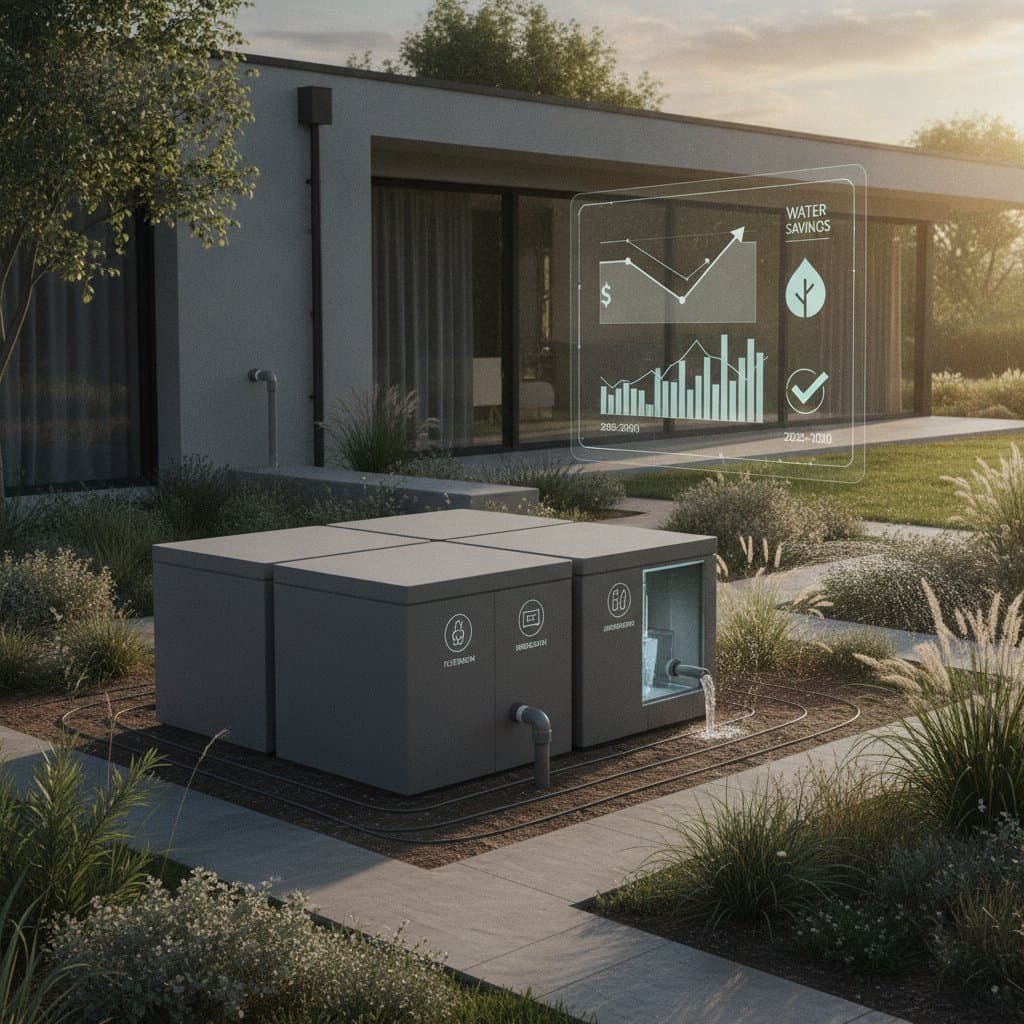
Water costs vary, but homeowners who reuse greywater for irrigation often save 15,000 to 25,000 gallons annually. That translates to $150 to $400 per year in water bill savings in most regions.
For systems that use greywater for toilet flushing, savings can rise to $600 per year. The payback period for a well-designed system typically falls between five and ten years, depending on the initial investment.
Unique Ways to Boost Savings
- Combine with rainwater harvesting. Use rainwater for indoor reuse and greywater for irrigation.
- Install smart irrigation timers. These reduce overwatering, maximizing the benefit of reused water.
- Choose drought-tolerant plants. Greywater works best with deep-rooted species that thrive on frequent low-volume watering.
DIY or Hire a Pro?
A handy homeowner can install a basic laundry-to-landscape system using off-the-shelf parts, basic PVC tools, and about a weekend of labor. You’ll need:
- PVC cutter or hacksaw
- Adjustable wrench
- Pipe thread sealant
- Shovel and landscape tubing
For systems connecting to multiple fixtures or indoor reuse, hire a licensed plumber or greywater system installer. Professional help ensures compliance with plumbing codes and prevents contamination risks.
If you live in a region with heavy clay soil or limited drainage, a pro can also design a subsurface irrigation field that disperses water evenly without pooling.
Common Mistakes to Avoid
- Using greywater on edible plants. Only apply to non-edible landscaping unless the water is fully filtered and disinfected.
- Ignoring slope and drainage. Without proper grading, water can pool and create odors.
- Skipping the diverter valve. You’ll need to be able to send water back to the sewer during maintenance or when using harsh detergents.
- Forgetting detergent compatibility. Use biodegradable, low-sodium soaps to keep plants healthy.
- Overestimating volume. A typical washing machine produces about 15 to 25 gallons per load, not enough for extensive irrigation without supplemental water.
Avoiding these issues makes your system more efficient and keeps it compliant with local regulations.
Making It Happen
Installing a greywater system is one of the most effective ways to cut water use while keeping your landscape green. Start by measuring your available greywater sources and identifying where you’ll reuse it. Check local codes before purchasing materials, and always label your system clearly.