Unlocking Substantial Water Savings: The True Costs of Greywater Systems
Homeowners often face escalating water bills from routine activities such as lawn care, laundry, and showers. A significant portion of indoor water usage, approximately 50 percent, qualifies for safe recycling. Greywater systems capture and repurpose this lightly soiled water from sources like showers, sinks, and washing machines, leading to notable reductions in overall consumption. Despite the initial investment, these systems offer enduring financial returns and environmental advantages, positioning them as a prudent enhancement for any residence.
Defining Greywater and Its Potential
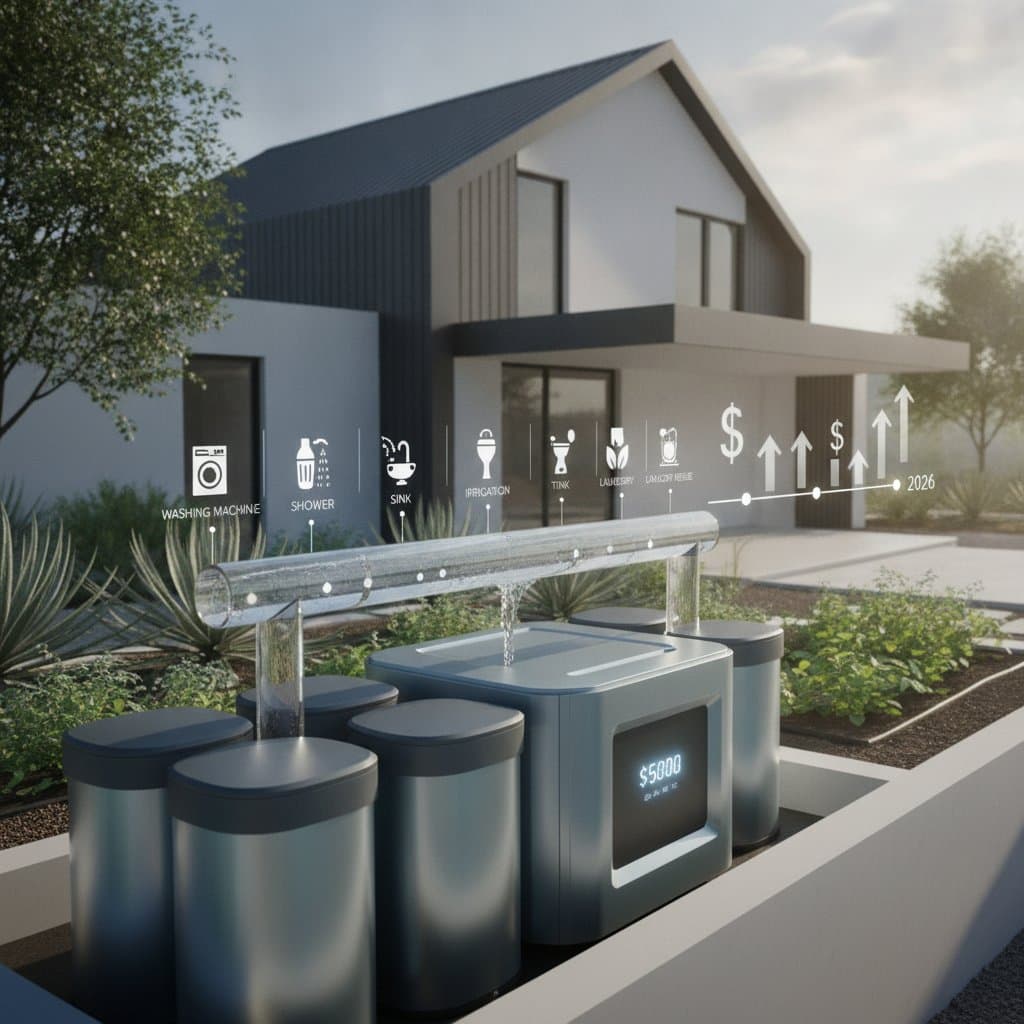
Greywater refers to wastewater generated from bathroom sinks, showers, bathtubs, and laundry appliances. This category excludes toilet flush water and kitchen sink runoff, which classify as blackwater due to higher contamination levels. Greywater typically includes traces of soap, detergents, and organic materials, yet appropriate treatment renders it suitable for non-drinking purposes such as landscape irrigation or toilet replenishment.
Effective systems incorporate filtration to eliminate particulates and adjust chemical balances, ensuring the water poses no risk to plants or soil. Homeowners thereby maintain vibrant gardens and operational fixtures without relying solely on treated municipal sources. This approach not only conserves resources but also fosters a more resilient household water strategy.
Breaking Down Installation Expenses
For a standard single-family dwelling, greywater system installation ranges from 1,500 to 6,000 dollars, influenced by design intricacy and scale. Basic configurations, such as those redirecting laundry water directly to landscaping, align with the lower spectrum. Comprehensive setups involving storage reservoirs, pumps, and advanced purification align with higher figures.
The following table outlines common options:
| System Type | Average Installed Cost | Best Suited For |
|---|---|---|
| Laundry-to-landscape | 1,500 to 2,500 dollars | Compact residences or initial adopters |
| Shower and sink diversion | 2,500 to 4,000 dollars | Moderate-sized homes with balanced usage |
| Whole-house treatment | 4,000 to 6,000 dollars | Expansive properties or efficiency upgrades |
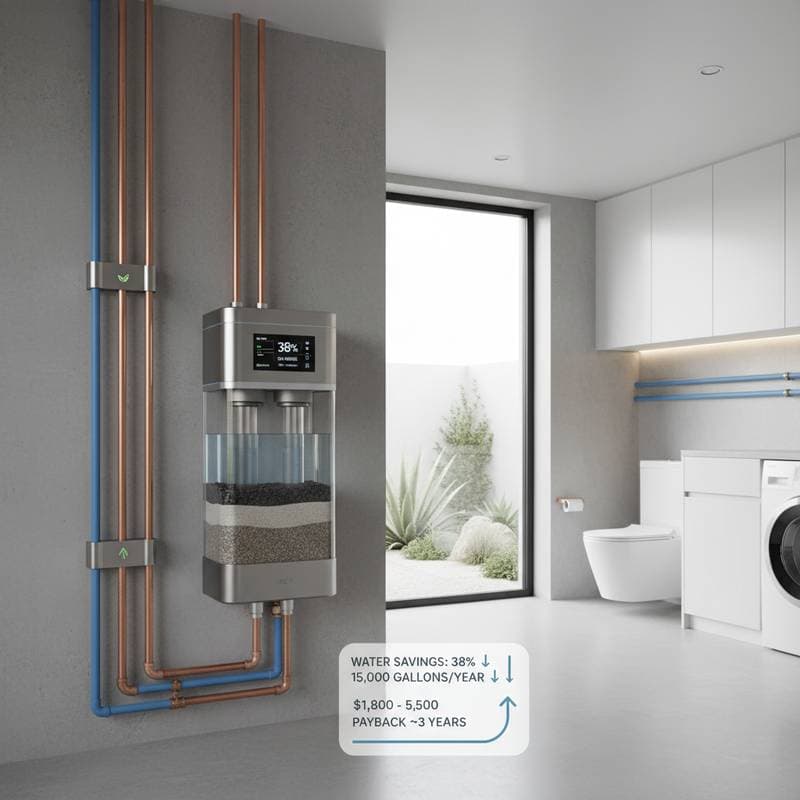
Such investments typically yield bill reductions of 25 to 40 percent, translating to annual savings in the hundreds of dollars. These figures accelerate payback periods and sustain ongoing fiscal benefits.
The Financial and Ecological Returns
Rising water rates and periodic conservation mandates amplify the value of efficient systems. Greywater diversion alleviates pressure on public utilities, preserving supply for essential needs. Additionally, it lightens the burden on onsite septic infrastructure or regional treatment facilities, potentially prolonging their operational longevity.
Consider a household consuming 200 gallons daily; recycling half through greywater equates to approximately 36,500 gallons conserved annually. This volume suffices to nourish a typical suburban garden throughout the growing season, eliminating the need for potable water in those applications. Environmentally aware residents find this method particularly impactful for minimizing ecological footprints without sacrificing daily conveniences.
Operational Mechanics of Greywater Systems
Greywater processing involves three primary phases: collection, treatment, and dispersal.
- Collection: Designated plumbing routes water from eligible fixtures into an independent conduit, bypassing standard sewage lines.
- Treatment: Coarse screens or multimedia filters capture debris like hair, fibers, and residues, preparing the water for reuse.
- Dispersal: Purified effluent transfers to retention vessels or irrigation networks, timed to match demand.
Gravity-assisted designs prove efficient for level terrains and smaller properties, minimizing energy inputs. Pump-equipped variants accommodate varied elevations and broader coverage, ensuring uniform application.
Key System Elements
- Diverter Valve: Routes flow between the greywater circuit and conventional drainage as needed.
- Filter Cartridge: Sustains clarity by trapping contaminants, with routine replacement advised.
- Holding Tank: Temporarily contains processed water, limiting stagnation to under 24 hours.
- Pump and Controls: Manage delivery rates, integrating timers for optimal scheduling.
Navigating Regulations and Practical Setup
Municipal codes govern greywater deployment to safeguard health and infrastructure. The National Plumbing Code stipulates a minimum 6-inch soil barrier over subsurface distribution lines to avert surface exposure. Placement requires setbacks of at least 1.5 feet from structures and 100 feet from potable sources like wells.
To enhance usability, incorporate elevated drip zones or sensor-activated controls that reduce physical intervention. Properties with legacy piping may necessitate modifications to isolate greywater streams, a process that demands professional oversight for compliance and efficacy.
Installation Approaches: DIY Versus Expert
Entry-level laundry-to-landscape assemblies suit capable homeowners with plumbing aptitude. Essential materials include:
- PVC piping and connectors
- Diverter valves
- Inline filtration units
- Drip emitters and supply lines
- Standard tools like cutters and torque wrenches
Advanced whole-house integrations, however, necessitate certified expertise to address backflow safeguards, filtration efficacy, and hydraulic balance. Professional involvement elevates initial outlays but secures durability and adherence to standards.
Pitfalls and Prevention Strategies
Overlooking upkeep undermines system performance, leading to inefficiencies or hazards. Property owners frequently encounter:
- Detergents with aggressive chemicals that harm flora or obstruct pathways.
- Prolonged storage fostering anaerobic conditions and unpleasant smells.
- Excessive application causing soil compaction or nutrient imbalances.
- Neglected servicing, where filters accumulate buildup within months.
Proactive measures, such as selecting biodegradable cleaners and adhering to cleaning schedules, preserve functionality and hygiene.
Sustaining Efficiency and Maximizing Gains
Routine inspections every three to six months prevent minor issues from escalating. Monitor for clogs, test pH periodically, and verify pump operations to maintain peak performance. Over a decade, consistent care can amplify savings beyond initial projections, often exceeding 5,000 dollars in cumulative reductions.
Pair greywater with water-efficient fixtures for compounded effects, further diminishing utility demands. This holistic strategy not only offsets costs but also bolsters property resilience amid fluctuating resources.
Steps to Implement Greywater at Home
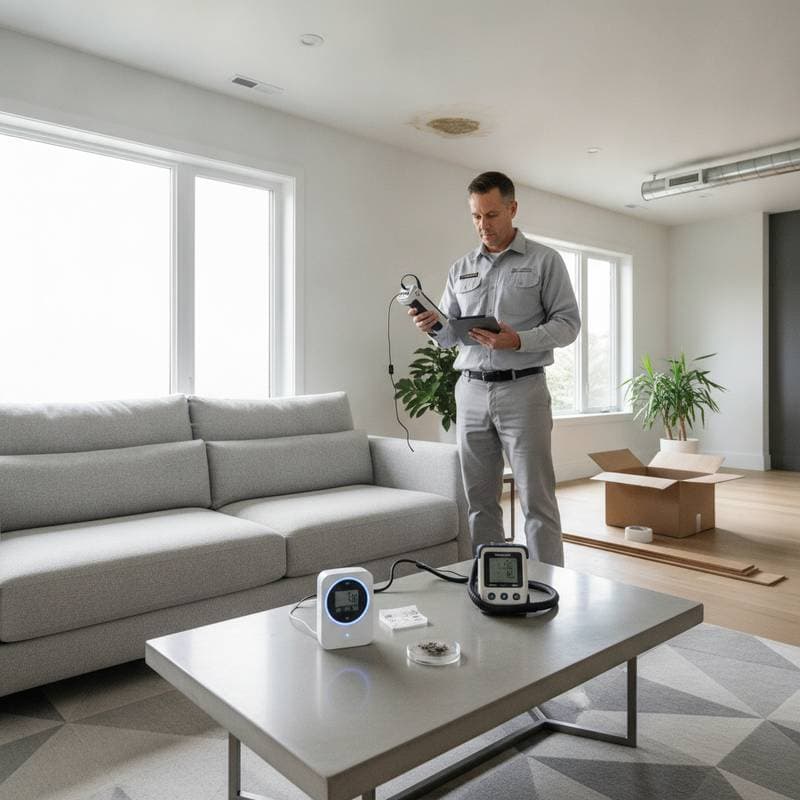
Begin with a site assessment to evaluate water sources and terrain suitability. Consult local authorities for permit requirements, then select a system scaled to your needs. Track usage pre- and post-installation to quantify impacts, adjusting as patterns emerge.
Greywater adoption transforms routine outflows into valuable assets, promoting fiscal prudence and planetary stewardship. With deliberate planning and diligent oversight, homeowners realize a seamless integration of conservation into modern living.