Key Costs of Greywater System Installation for Homeowners
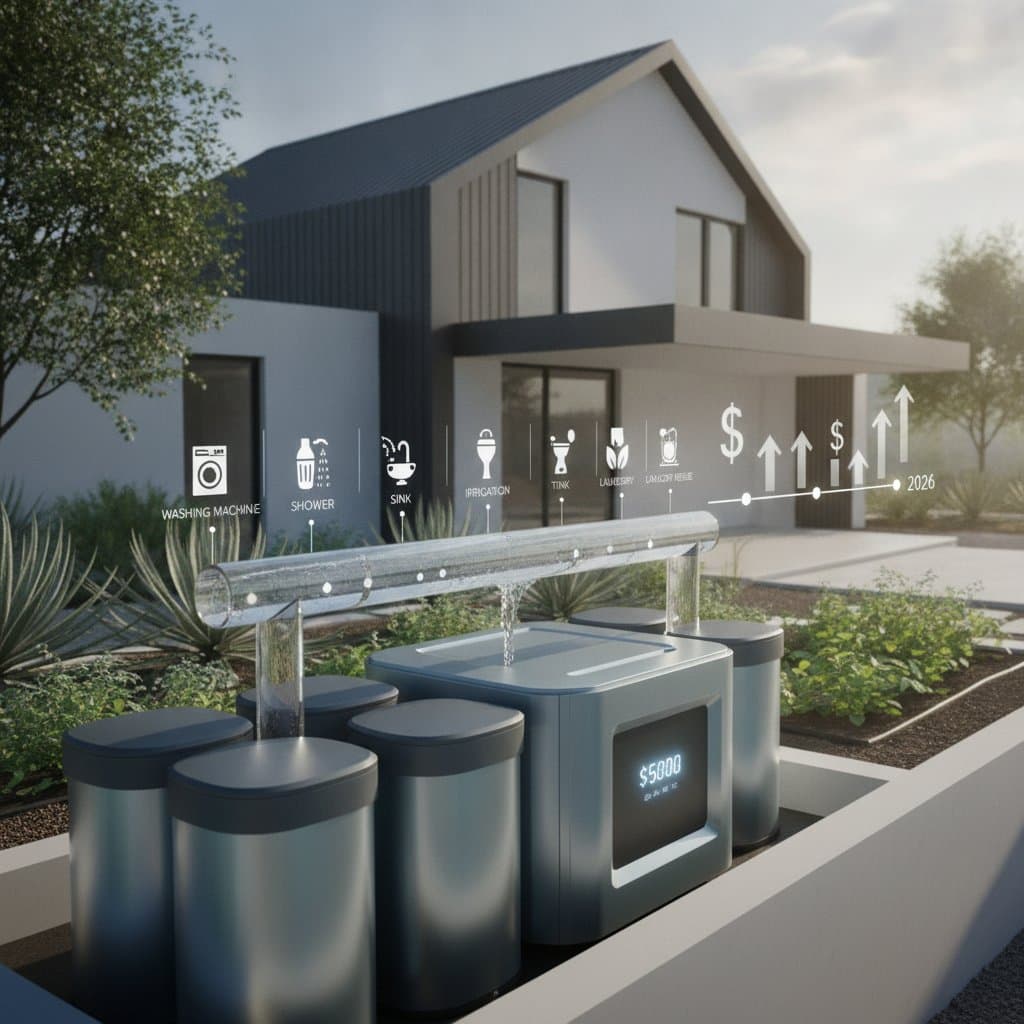
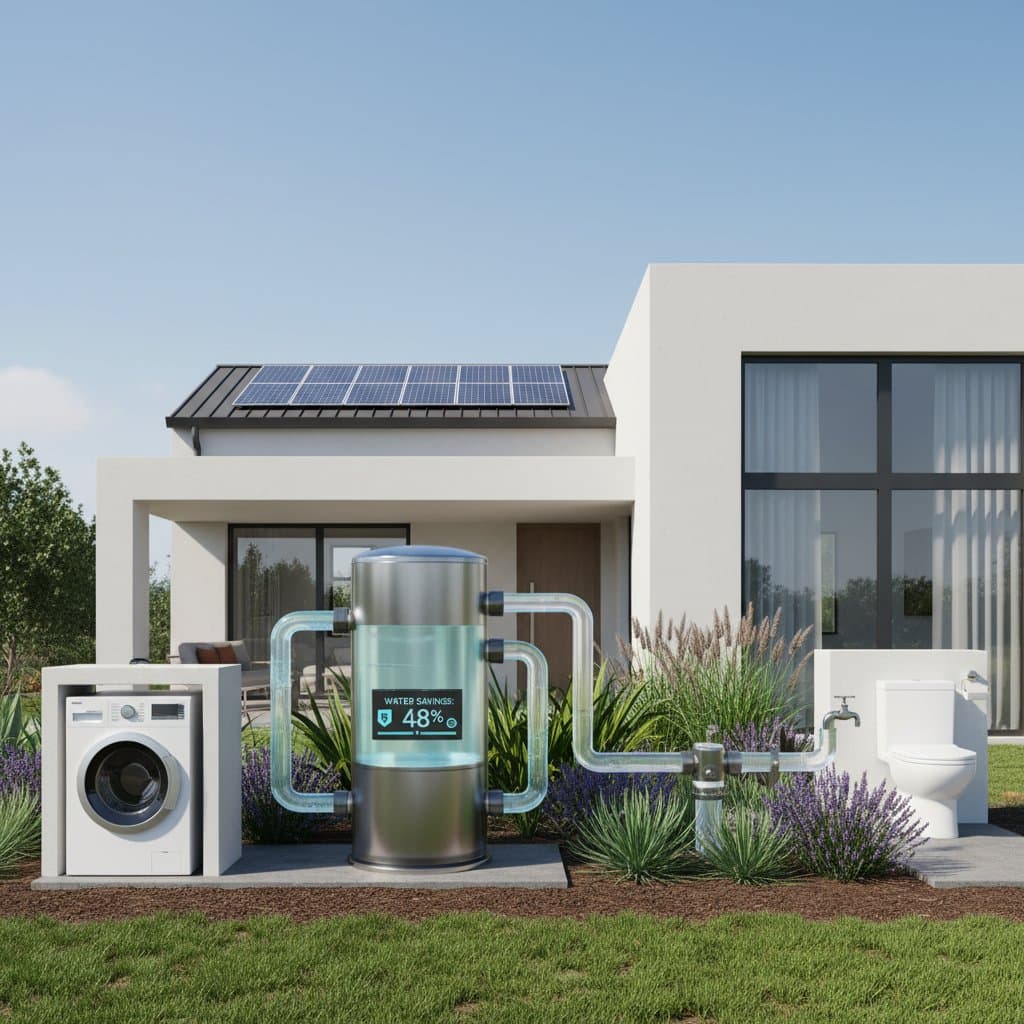
Homeowners seeking to reduce water consumption and utility expenses often turn to greywater systems. These setups capture and repurpose water from household sources like showers, sinks, and washing machines for non-potable uses such as garden irrigation or toilet flushing. Understanding the installation costs helps in making informed decisions that align with both budget and environmental goals.
What Greywater Systems Entail
Greywater refers to wastewater from everyday activities that remains relatively clean compared to blackwater from toilets. A typical system diverts this water through pipes to a filtration unit, then directs it to landscape areas or storage for later use. Property size, soil type, and local regulations shape the system's design; for instance, sloped yards may require additional pumps to ensure even distribution.
Homeowners frequently begin with targeted applications, such as routing laundry water to ornamental plants, before scaling to broader coverage. This strategy allows testing of water volume and plant tolerance, minimizing initial risks. Experts recommend evaluating daily water output—often 20 to 50 gallons per person—to determine system capacity needs.
Factors Influencing Installation Expenses
Costs vary based on several elements, with national averages for basic systems starting at $500 and comprehensive setups reaching $10,000 or more. Consider these primary components:
-
System Scale and Components – Entry-level laundry diversion kits, including hoses and valves, cost around $200 to $500. Advanced models with surge tanks, ultraviolet disinfection, and automated controls can exceed $5,000 due to specialized materials like corrosion-resistant plastics.
-
Property-Specific Adjustments – Retrofitting in a single-story home with straightforward plumbing might add $1,000 in labor. Multi-level or historic structures often incur $2,000 to $4,000 extra for excavation, pipe extensions, or compliance with seismic standards.
-
Treatment Features – Basic sediment filters run $100 to $300, while biological treatments using beneficial microbes add $500 to $1,500. These enhance safety for edible gardens by reducing pathogens, though they demand periodic media replacement.
-
Regulatory Requirements – Permit fees range from $50 to $500, depending on jurisdiction. Inspections for backflow prevention devices ensure no cross-contamination with potable water lines, potentially adding $300 in professional verification.
Homeowners should allocate 10 to 20 percent of the budget for unforeseen adjustments, such as soil testing to confirm drainage suitability.
Weighing DIY and Professional Approaches
Capable individuals can assemble a simple diverter system using off-the-shelf parts like three-way valves and mulch basins for under $300. Steps include measuring pipe diameters, installing inline filters, and routing output to mulched garden beds while monitoring for leaks. Local codes may mandate a simple sketch submission to authorities, emphasizing the importance of pre-project research.
Professional services suit intricate installations, where licensed plumbers integrate systems with existing infrastructure. They handle zoning for discharge areas—typically 100 feet from wells—and calibrate pumps for optimal pressure, costing $2,000 to $6,000 inclusive of labor. Such expertise reduces error rates and qualifies installations for insurance coverage against water damage.
Strategies for Effective Budgeting
Total outlay encompasses not only upfront expenses but also ongoing operational costs, estimated at $100 to $300 annually for filter changes and pump tune-ups. In regions with high water rates, like arid Southwest states, payback periods shorten to three to five years through 30 to 50 percent bill reductions. Track usage with inline meters to quantify savings and adjust irrigation schedules accordingly.
Explore municipal incentives, such as rebates up to $1,000 for certified systems or low-interest loans for eco-upgrades. Contact utility providers early to identify qualifying programs that cover filtration enhancements or educational workshops on system optimization.
Ensuring Long-Term System Performance
Regular upkeep preserves efficiency and extends lifespan beyond 15 years. Schedule quarterly checks for sediment buildup in tanks, using a wet-dry vacuum for cleaning, and test pH levels to maintain plant health. Select biodegradable soaps to prevent biofilm accumulation, and winterize exposed lines in cold climates by draining to avoid freezing.
Document all activities in a dedicated journal, noting water diversion volumes and any vegetation responses. This record aids in troubleshooting and demonstrates compliance during property appraisals, potentially increasing home value by highlighting sustainable features.
Realizing Benefits Through Greywater Adoption
Implementing a greywater system transforms water management into a proactive asset. Homeowners gain substantial savings, resilient landscapes, and reduced environmental impact, fostering a self-sufficient residence. With deliberate selection and care, this investment yields enduring returns in cost efficiency and ecological stewardship.