Understanding Greywater Systems and Their Benefits
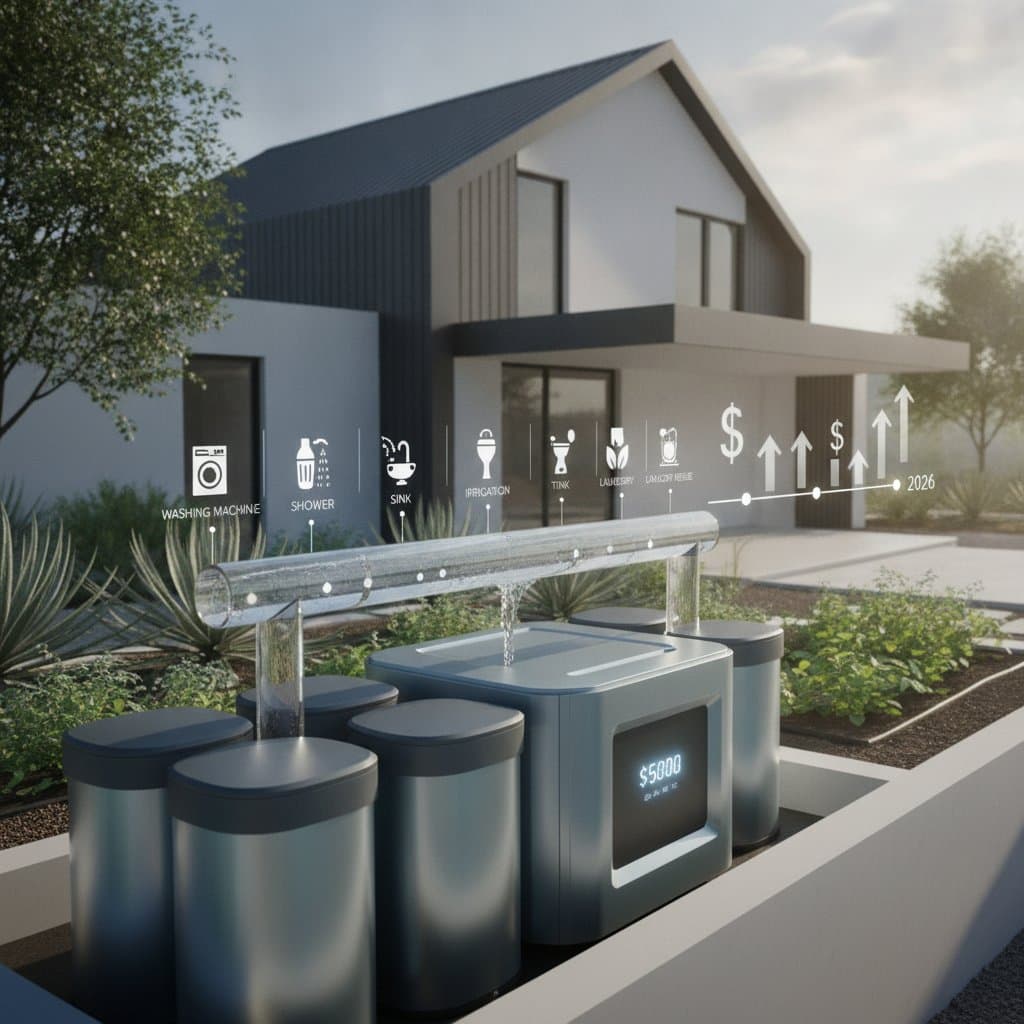
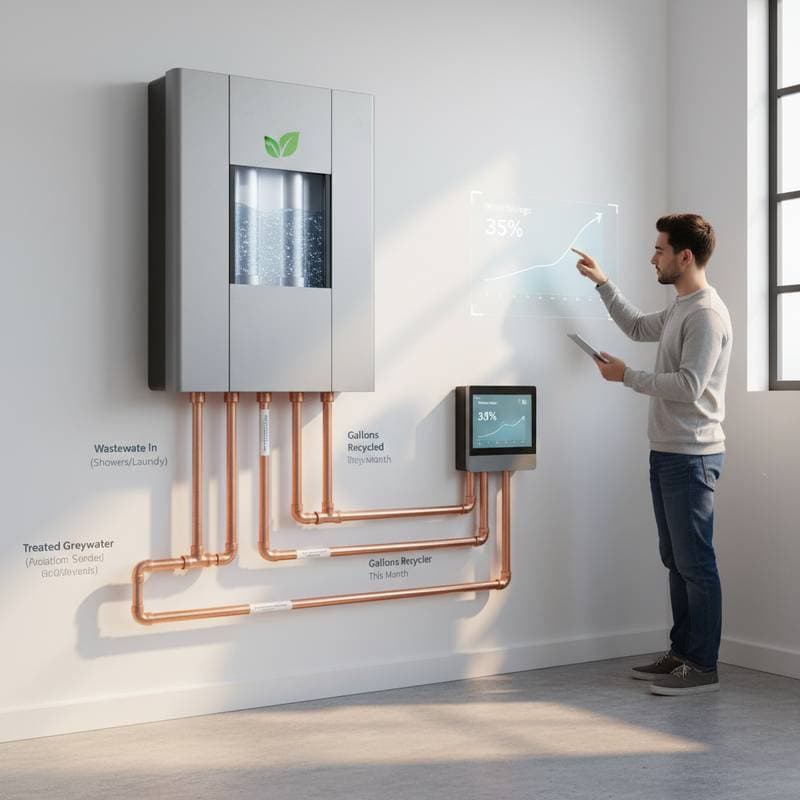
Homeowners seek effective methods to lower utility expenses and promote environmental responsibility. Greywater recycling systems capture water from sources such as showers, bathroom sinks, and laundry machines, which contains minimal contaminants. This water then supports non-potable uses like garden irrigation or toilet flushing.
Such systems address escalating water rates and conservation needs. Installation yields immediate financial returns through bill reductions and contributes to broader ecological goals by easing pressure on freshwater supplies. This article details costs, influencing factors, savings calculations, and selection strategies to guide informed decisions.
Breaking Down Installation Costs
Greywater system expenses vary based on home size, existing plumbing, and intended applications. Simpler setups focus on outdoor irrigation, while comprehensive ones integrate indoor reuse.
Consider these cost categories:
- Basic laundry-to-landscape configurations: $1,500 to $3,000, including basic diverters and minimal filtration.
- Mid-level whole-house systems with basic filtration: $4,000 to $8,000, covering multiple fixtures and simple storage.
- Advanced models featuring pumps, large tanks, and automation: $10,000 to $15,000, ideal for high-usage households.
Factors like site accessibility and local regulations influence pricing. For instance, homes with straightforward plumbing layouts incur lower labor fees. Research from sustainability experts indicates that entry-level systems recoup costs in three to five years via utility savings. Investigate municipal rebates, which often reimburse 20 to 50 percent of expenses for qualifying installations.
Calculating Potential Savings
Greywater systems diminish reliance on treated municipal water, cutting both supply and wastewater fees. Typical reductions range from 20 to 40 percent in overall usage, particularly in households with extensive landscaping or multiple residents.
Visualize a family of four in a moderate climate: daily greywater output from showers and laundry might total 50 to 100 gallons. Redirecting this volume to irrigation avoids purchasing equivalent fresh water, potentially saving $200 to $500 annually on bills. Over a decade, these figures accumulate to thousands of dollars, factoring in rising utility rates.
Real-world examples highlight efficiency. A standard system processing 200 gallons daily could offset initial investments within four years, as demonstrated in homeowner testimonials from water-scarce regions. Beyond finances, benefits include preserved local aquifers and decreased infrastructure demands.
Essential Maintenance Practices
Reliable operation demands routine upkeep to prevent clogs, bacterial growth, and efficiency losses. Establish a monthly checklist for optimal performance.
Key tasks include:
- Rinse or replace filters to manage soap residues and debris.
- Flush storage tanks quarterly to eliminate sediment buildup.
- Inspect pumps and valves for leaks or malfunctions, especially after heavy use.
- Monitor for odors, which signal the need for deeper cleaning.
Dedicate 30 minutes monthly to these steps. Professional annual inspections, costing $100 to $200, extend system life beyond 10 to 15 years. Proper care ensures consistent flow and compliance with health standards.
Selecting and Installing the Ideal System
Match system features to household needs for maximum effectiveness. Begin with a water usage audit: track laundry cycles, shower durations, and garden square footage to determine scale.
Evaluate options systematically:
- Gravity-fed designs suit level properties, minimizing energy costs compared to pump-driven alternatives.
- Automatic controls simplify operation over manual valves, though they add to upfront expenses.
- Choose multi-stage filtration for indoor applications; basic screens suffice for outdoor use.
- Prioritize systems with five-year warranties and accessible parts.
Obtain three to five quotes from certified plumbers. Discuss integration with existing setups, permit requirements, and rebate eligibility. For DIY enthusiasts, start with laundry diverters using manufacturer kits, but consult professionals for complex plumbing to avoid code violations.
Maximizing Long-Term Value
A greywater system represents a strategic investment in home efficiency and resilience. Upfront expenditures yield compounding returns through sustained bill reductions and resource stewardship.
Property enhancements follow suit, appealing to eco-conscious buyers. Regular monitoring and adjustments optimize performance, ensuring thousands of gallons reused annually. Homeowners who commit to this upgrade foster lasting sustainability while enjoying tangible, everyday rewards.