Preparing Your AC for Summer: DIY Maintenance or Professional Service?
Summer brings rising temperatures that challenge home cooling systems. A well-maintained air conditioner maintains indoor comfort, averts major repairs, and lowers energy consumption. Homeowners face a key decision: perform maintenance independently or engage a certified HVAC professional.
This resource outlines both methods to support informed choices based on budget, schedule, and technical confidence. Readers gain insights into safe basic tasks, scenarios requiring expert intervention, and components of a thorough professional evaluation.
Essential DIY AC Maintenance Tasks
Independent maintenance offers cost savings and fosters familiarity with the system. Many homeowners manage these steps using standard tools and careful attention.
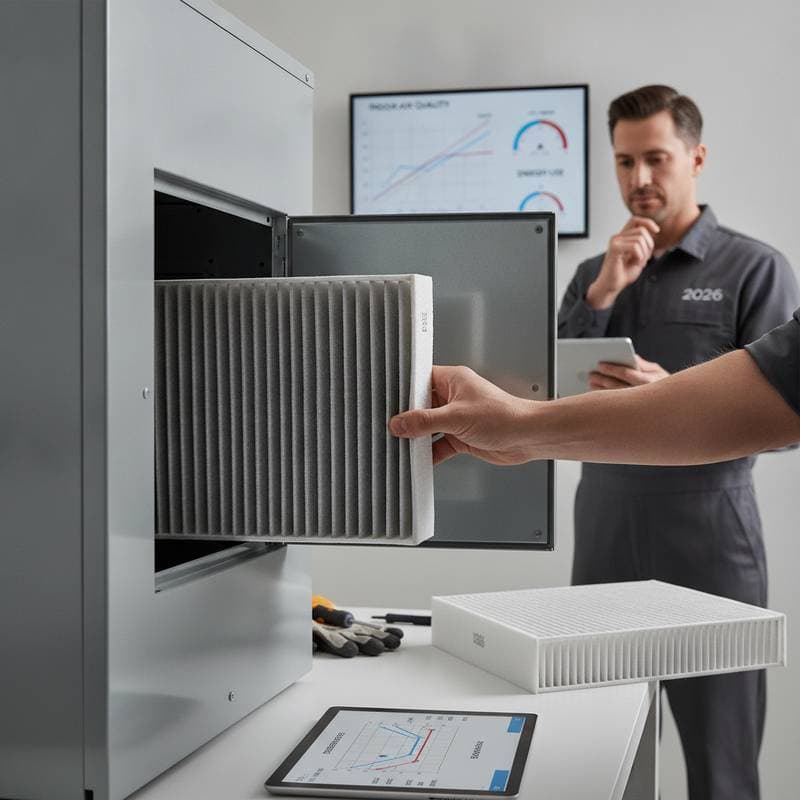
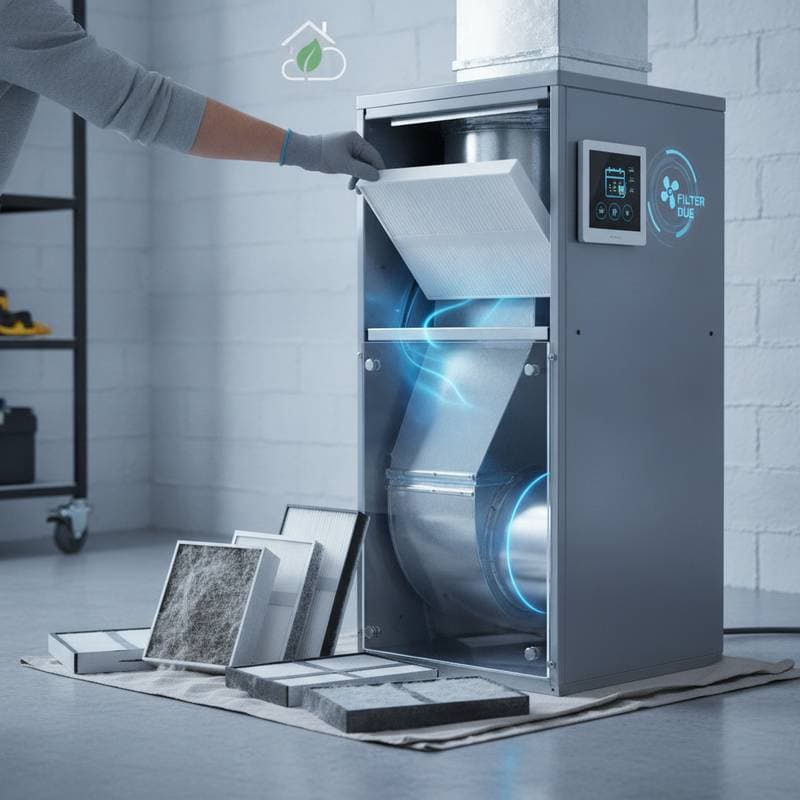
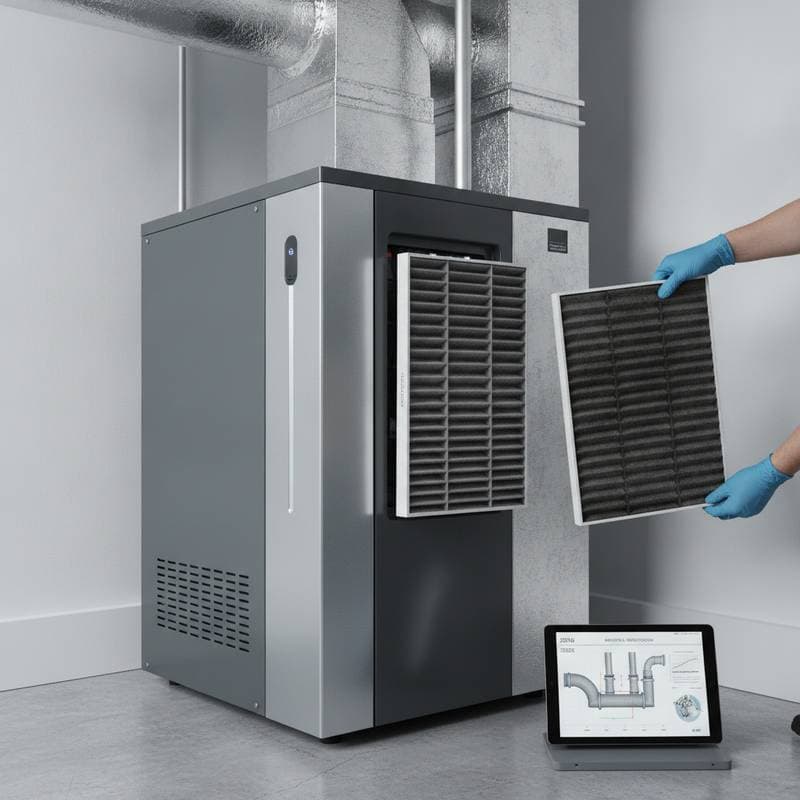
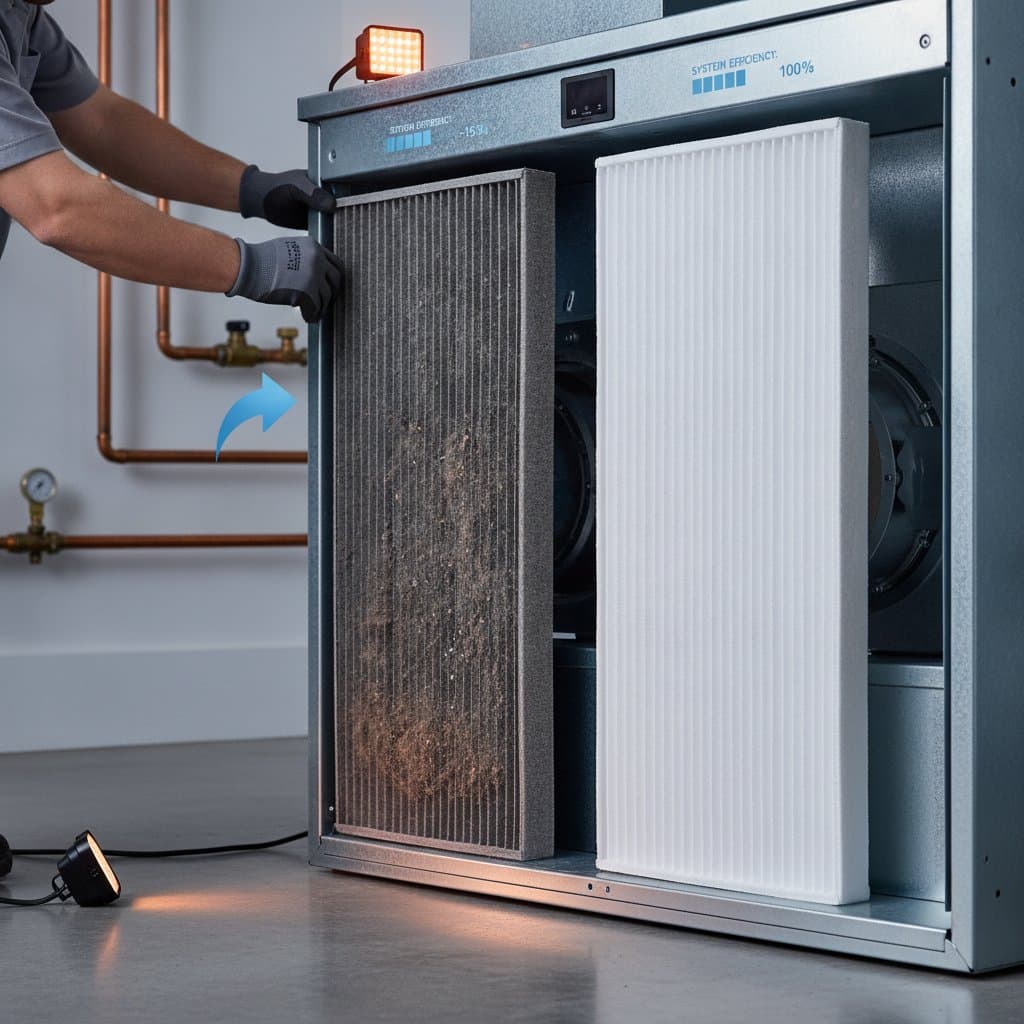
Replace or Clean the Air Filter
Air filters represent the most straightforward yet critical maintenance element. Clogged filters impede airflow, compelling the unit to operate inefficiently. Homeowners replace disposable filters or wash reusable versions every one to three months, adjusted for local conditions and system use.
Establish a reminder system, such as calendar alerts, following each filter change. This practice sustains optimal performance at minimal expense.
Remove Debris from the Outdoor Unit
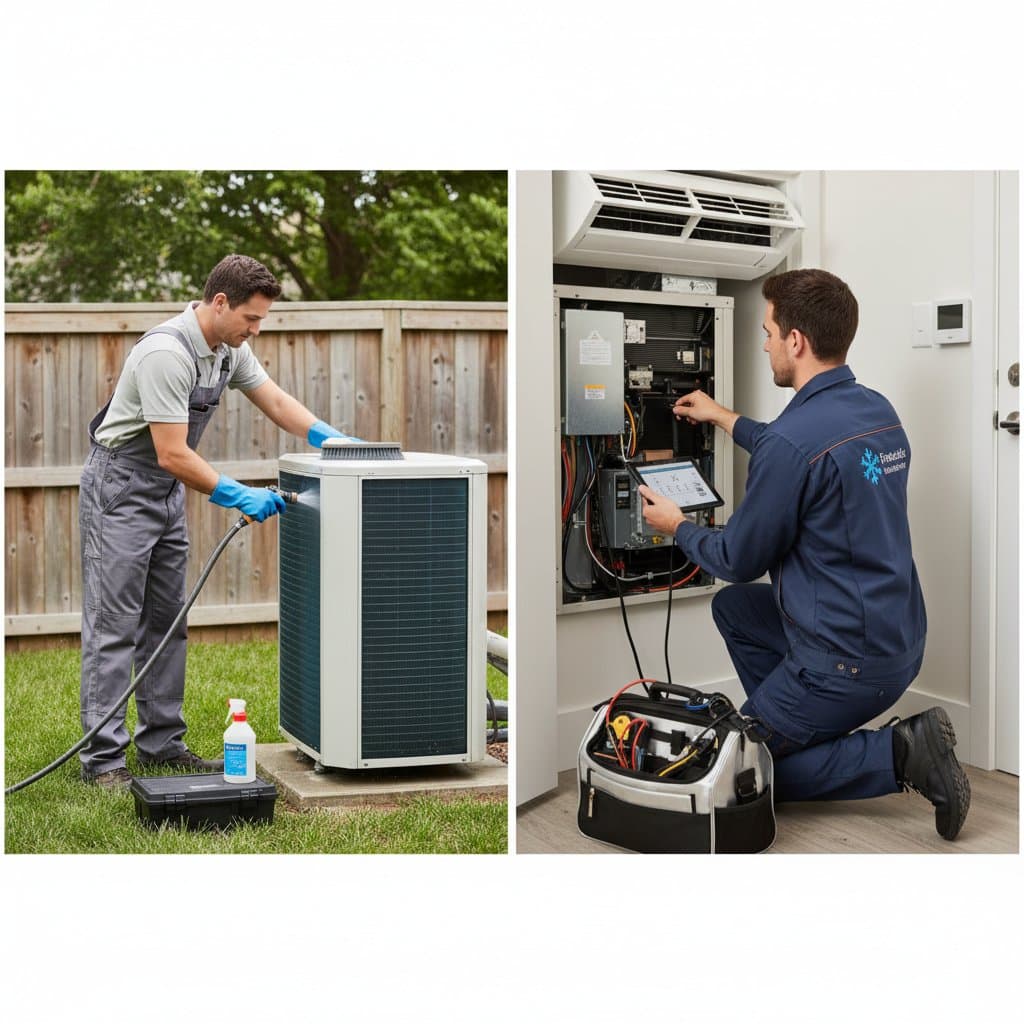
Accumulated leaves, soil, and vegetation surround the exterior condenser. First, disconnect power at the breaker. Clear substantial debris manually, then rinse the fins with a low-pressure hose to avoid distortion.
Preserve a minimum two-foot perimeter around the unit. This clearance facilitates unrestricted airflow and enhances operational efficiency.
Examine the Condensate Drain Line
Air conditioners extract moisture from indoor air, which exits via a dedicated drain pipe. Blockages from algae or debris lead to overflows and elevated indoor humidity. Employ a wet-dry vacuum for suction or introduce a diluted white vinegar solution to dissolve obstructions.
Perform this inspection monthly during humid seasons. Prompt clearing prevents water damage and maintains dehumidification effectiveness.
Verify Thermostat Functionality
Prior to intense heat, confirm thermostat accuracy. Install fresh batteries if the display fades, and activate the system by lowering the setpoint several degrees below ambient temperature.
Programmable or smart thermostats enable automated adjustments. These devices optimize cooling schedules, reducing energy use during unoccupied periods.
Clean Supply and Return Vents
Dust, lint, and allergens accumulate on vent surfaces, hindering air circulation. Attach a brush to a vacuum cleaner for thorough removal from covers and grilles.
Regular cleaning promotes uniform temperature distribution. This step improves overall system performance and indoor air quality.
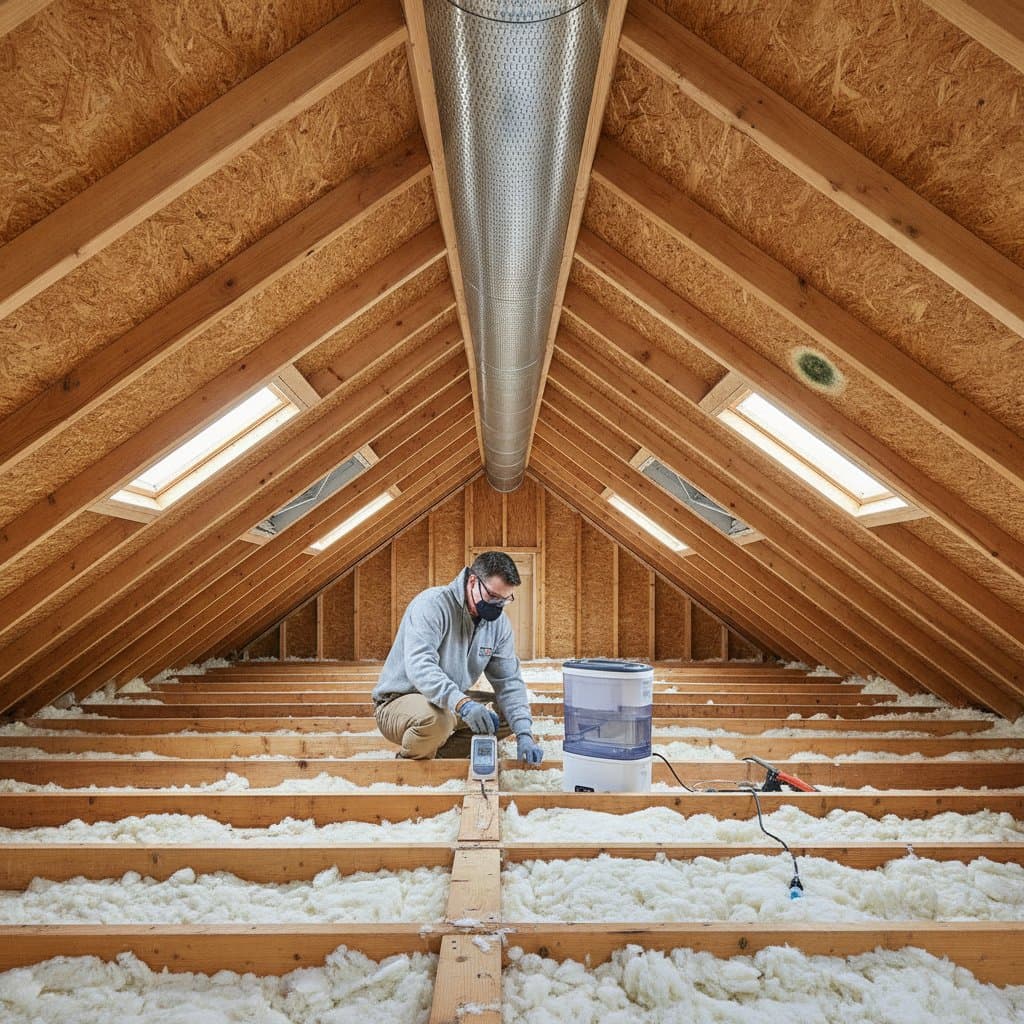
Assess Accessible Ductwork
In attics or basements, inspect exposed ducts for separations or minor breaches. Apply aluminum foil tape to seal small leaks securely.
Defer extensive repairs or insulation corrections to qualified technicians. Visible checks identify potential efficiency losses early.
Benefits of Professional HVAC Inspections
Routine self-maintenance complements annual expert assessments. Technicians deploy diagnostic tools to evaluate refrigerant levels, electrical integrity, and mechanical components. Such examinations detect subtle problems, like gradual leaks or component wear, prior to failure.
Components of a Professional Tune-Up
-
Refrigerant Evaluation: Technicians measure levels and search for escape points instead of simple recharges. Inadequate refrigerant diminishes cooling capacity and strains the compressor.
-
Electrical Diagnostics: Connections receive tightening or renewal if corroded. Secure wiring prevents intermittent operation or complete shutdowns.
-
Coil Maintenance: Specialized cleaners address indoor and outdoor coils, eliminating residue without fin harm. Pristine coils support heat transfer efficiency.
-
Blower and Motor Review: Lubrication and balance checks ensure smooth operation. Efficient blowers reduce strain and noise levels.
-
Control System Verification: Thermostats undergo testing for precise response. Accurate controls maintain desired temperatures reliably.
-
Operational Assessment: Measurements compare supply and return air temperatures. This confirms adequate cooling delta, typically 14 to 20 degrees Fahrenheit.
These services typically require one hour and significantly prolong equipment lifespan. Energy Star data indicates maintained systems endure 10 years beyond those lacking care.
Key Safety Protocols
Disconnect electricity at the main panel before any AC interaction. Refrain from contacting live wires or accessing restricted panels. Indicators such as odd sounds, odors of scorch, or frost formation demand immediate shutdown and professional consultation.
Certified technicians manage refrigerants in compliance with EPA standards. Unauthorized handling poses legal penalties and exposure hazards.
Strategies to Prolong AC Durability
Daily practices extend beyond scheduled upkeep. Close window coverings during peak sunlight to minimize heat entry. Ceiling fans aid air movement, allowing higher thermostat settings without discomfort.
Maintain moderate humidity levels indoors. Consumer Reports emphasizes that consistent coil care and humidity control add up to 10 years to system longevity, yielding sustained savings on replacements and operations.
Optimizing AC Performance Year-Round
Integrate these maintenance routines into seasonal planning. Combine DIY efforts with periodic professional oversight for balanced reliability. This approach secures efficient cooling, protects investments, and enhances home comfort through extended summers.