Understanding Greywater Systems
Greywater refers to wastewater from household sources such as showers, sinks, and washing machines, excluding toilet waste. These systems collect and treat this water for non-potable uses like garden irrigation or toilet flushing. By implementing a greywater system, households can significantly lower water usage and utility costs.
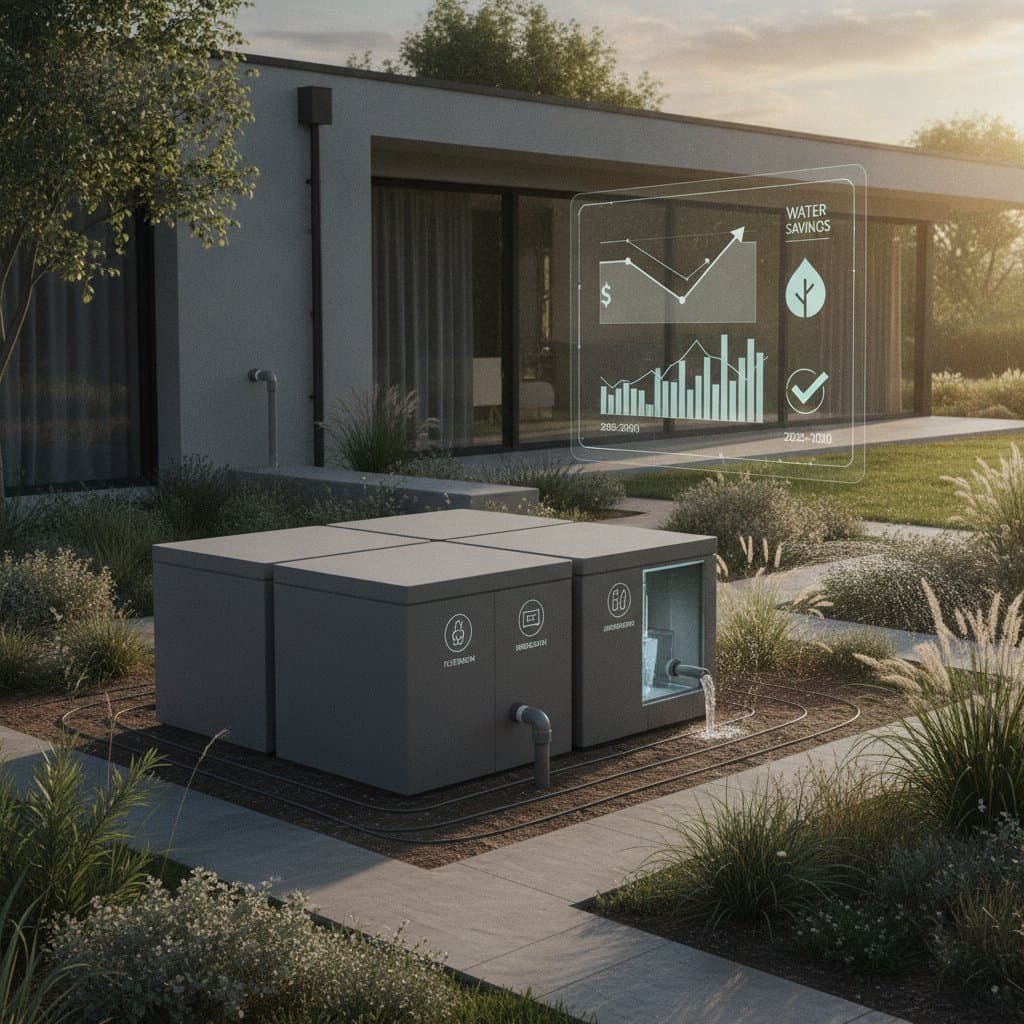
The potential savings are substantial. Homeowners often see reductions in water bills ranging from 30 to 40 percent, depending on system scale and local water rates. This approach not only conserves resources but also aligns with growing demands for sustainable living practices.
System Types and Initial Costs
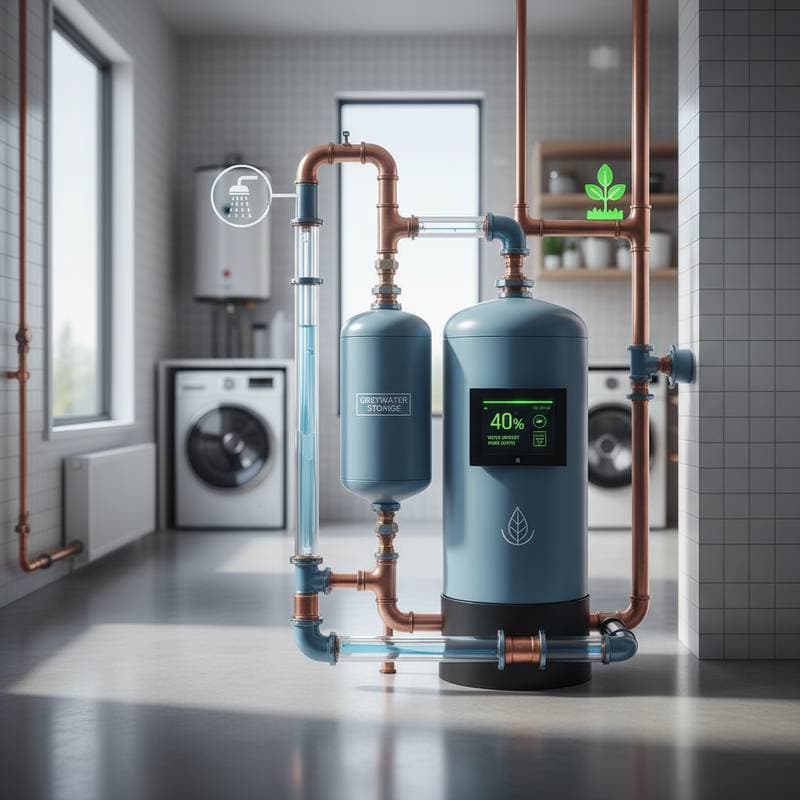
Greywater systems vary in complexity and price. Basic laundry-to-landscape setups, which divert washing machine water directly to garden beds, cost between $200 and $1,000 for materials. More advanced systems with filtration and storage tanks range from $2,000 to $10,000, including pumps and plumbing modifications.
Professional labor adds to the expense, typically at $75 to $150 per hour. Installation time varies from a few hours for simple diversions to several days for comprehensive setups. Permits may cost $100 to $500, depending on local regulations.
Although the initial investment appears significant, the financial return arrives quickly. Monthly reductions in water bills frequently result in a payback period of three to five years. Long-term residents gain the most advantage, as the system generates ongoing savings each month.
Installation Process
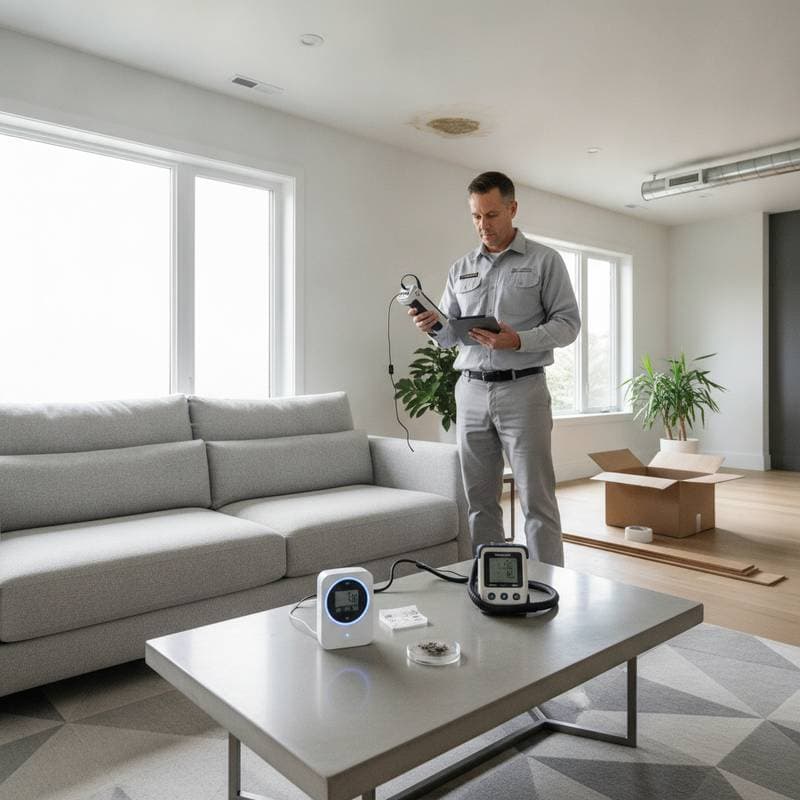
Begin by assessing your home's water usage and layout. Identify sources of greywater and potential reuse applications, such as landscaping or indoor fixtures. Consult local building codes to ensure compliance, as requirements differ by region.
For a basic system, connect the washing machine outlet to a surge tank or directly to irrigation lines using three-quarter-inch tubing. Install a filter to remove lint and debris. In more complex installations, integrate a treatment unit that uses biological processes to purify the water before storage.
Hire professionals for systems involving structural changes. They handle precise connections, pressure testing, and integration with existing plumbing. After installation, test the system thoroughly to verify flow and prevent leaks.
Common Mistakes to Avoid
Precision is essential in greywater installations, yet many homeowners overlook key details. Addressing these issues early prevents costly repairs and health risks.
- Mixing greywater with blackwater lines contaminates the system and renders the water unsafe for reuse.
- Using harsh detergents or bleach in washing machines harms plants when the water irrigates landscapes. Select biodegradable soaps specifically labeled as greywater safe.
- Neglecting filter maintenance causes clogs and unpleasant odors. Schedule cleanings every one to three months based on household usage.
- Overwatering plants with recycled water leads to root rot. Employ drip irrigation or subsurface emitters to maintain even soil moisture levels.
Accessibility and Safety Considerations
Greywater systems offer benefits for households with mobility challenges by incorporating automation. Position storage tanks at waist height and equip them with quick-connect hoses for straightforward access. For toilet connections, place valves within easy reach to avoid bending or kneeling.
Incorporate automatic shut-off valves and leak detectors to enhance safety for all residents. Clearly label all greywater lines to avoid accidental mixing with potable water supplies. Building codes generally mandate a six-inch separation between lines or the use of an approved backflow prevention device where pipes run parallel.
When to Hire a Professional
Simple laundry-to-landscape systems suit DIY efforts, provided basic plumbing knowledge exists. However, projects requiring internal plumbing rerouting or filtration tanks demand a licensed plumber's expertise.
Professionals calculate appropriate flow rates, install necessary venting, and verify adherence to health regulations. They also assist with applications for rebates or conservation incentives, which numerous municipalities provide for compliant installations.
Long-Term Maintenance and Reliability
With diligent care, greywater systems endure for 10 to 15 years. Routine tasks include filter cleaning, valve inspections, and tank flushing every few months. Pumps require replacement every five to seven years, with costs ranging from $150 to $300.
Maintain a detailed log of all activities to monitor performance and identify minor issues promptly. Regular checks ensure the system operates efficiently and extends its lifespan.
Steps to Implement Your System
Implementing a greywater system emphasizes practical design over advanced technology. Initiate with a modest diversion of laundry water to garden areas, then progress to a filtered storage solution for broader applications like toilet flushing or extensive irrigation.
Examine your home's plumbing configuration thoroughly before proceeding. Choose high-quality components that satisfy code standards. This investment yields sustained reductions in water costs and contributes to a more resilient, eco-conscious household.