Greywater Systems in 2026: Costs, Rebates, and Savings Strategies
Water scarcity poses a growing challenge for homeowners in arid regions. Greywater systems offer a practical solution to conserve water, reduce expenses, and safeguard local resources. Greywater refers to the mildly contaminated wastewater from sources such as showers, sinks, bathtubs, and washing machines. Homeowners redirect this water for uses like irrigating landscapes or flushing toilets, rather than discharging it into sewers. Such systems decrease overall household water consumption by as much as 40 percent, leading to lower utility bills and a reduced ecological impact.
This guide details the expenses associated with greywater systems, available rebates, and methods to maximize returns through careful planning and upkeep.
Understanding System Costs
The price of greywater systems fluctuates according to size, complexity, and features. Homeowners encounter three primary categories of investment:
Basic Laundry-to-Landscape Configurations
These straightforward systems link a washing machine directly to garden areas and range from $300 to $2,000, influenced by materials and installation efforts. Many individuals assemble them independently using pre-packaged kits that contain diverter valves, hoses, and basic filters. Key expense elements encompass:
- Plumbing connectors and diverter valves
- Flexible tubing for irrigation
- Mulch basins or subsurface drain fields
- Optional sediment traps or simple filters
Opting for self-installation lowers costs substantially, though engaging a professional guarantees adherence to regulations and enhances durability.
Mid-Level Gravity-Fed Systems
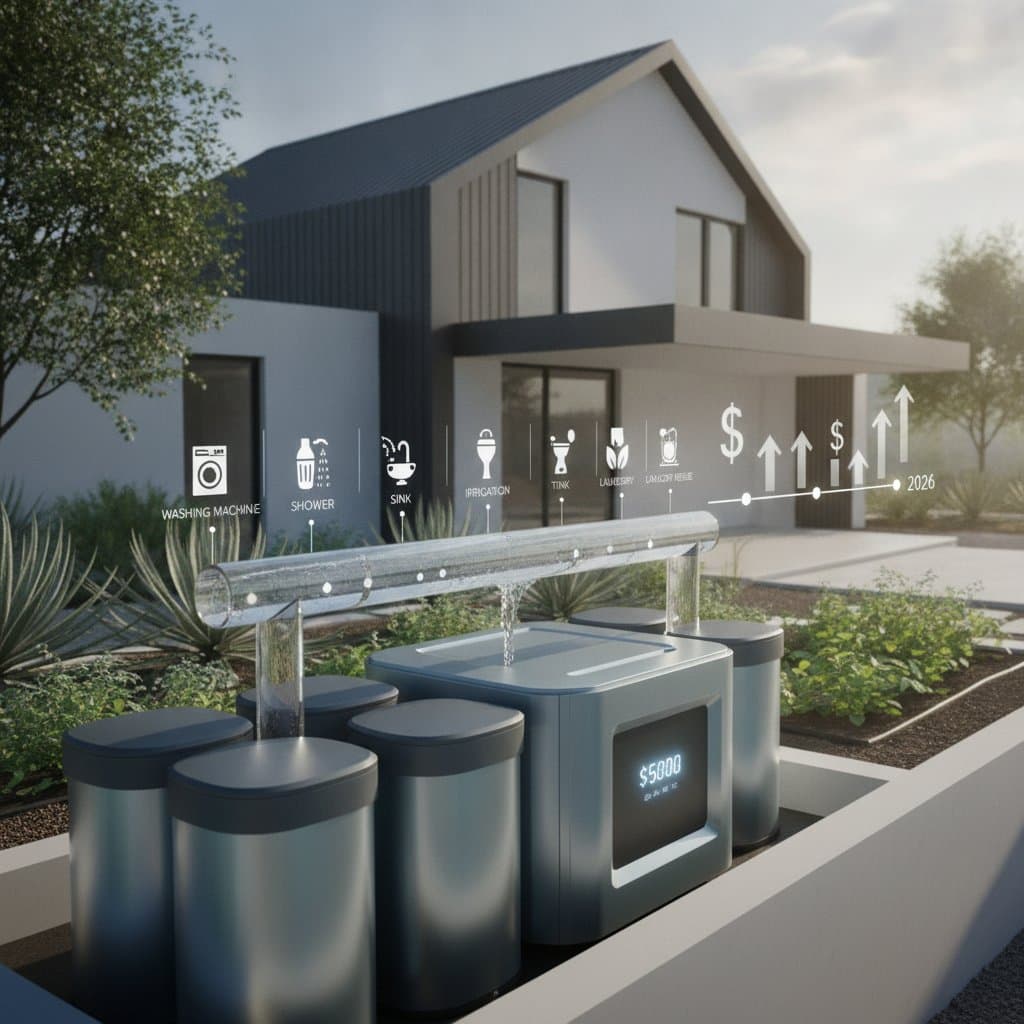
These setups gather greywater from sinks and showers, utilizing natural gravity for distribution, with costs spanning $2,000 to $6,000 for components and labor. Budget allocations should cover:
- Modified drain lines and connectors
- Elementary filtration devices
- Surge tanks or barrels for temporary storage
- Networks for dispersing water across landscapes
Such systems suit families of average size pursuing balanced water recycling objectives.
Sophisticated Pumped and Treated Systems
Larger residences or those pursuing indoor applications require advanced models with pumps, advanced filters, and reservoirs, priced from $6,000 to $20,000 or more. Features like automated controls, sensors, and ultraviolet treatment justify the elevated expense due to intricate design and maintenance needs.
Professionals must handle installation to integrate safely with existing plumbing and meet stringent safety standards.
Accessing Rebates and Incentives
Numerous municipalities and state agencies provide rebates to promote greywater adoption, often covering 20 to 50 percent of installation expenses or supplying complimentary resources. Programs in water-stressed zones frequently include design consultations or educational sessions at no charge.
To identify opportunities, visit the website of the local water authority or reach out to its conservation office. Applications generally demand:
- A preliminary submission outlining system specifications
- Layout sketches or photographs of the site
- Documentation of expenditures and installer credentials
- An inspection following completion to verify functionality
Systems must conform to prevailing plumbing and health codes. Reviewing these stipulations at the outset avoids setbacks and secures funding.
Choosing Between DIY and Expert Installation
The installation choice hinges on technical proficiency, familiarity with plumbing, and system intricacy.
Scenarios for Self-Installation
Laundry-to-landscape designs lend themselves to weekend projects for capable homeowners equipped with standard tools. Kits from suppliers include detailed guides, diverter mechanisms, and gravity-based routing.
Reasons to Engage Professionals
Projects involving multiple sources, mechanical pumps, or interior plumbing necessitate licensed experts to uphold code compliance, avert contamination risks, and optimize layouts. Certified installers provide guarantees on their labor, ensuring reliability.
Blended Installation Methods
Individuals may procure components independently while contracting specialists for critical tasks, such as interfacing with primary drains or configuring treatments. This method trims expenses without compromising standards.
Broader Advantages for Environment and Daily Life
Greywater systems yield benefits extending past financial gains. They alleviate pressure on public treatment facilities and aquifers by recycling water onsite. Consistent moisture from reused sources sustains vegetation through extended dry spells.
Integrating greywater with techniques like rainwater collection and efficient irrigation slashes exterior water demands significantly. In regions affected by water shortages, properties equipped with these features attract buyers and may command higher market values due to enduring efficiency.
Developing a Comprehensive Budget
A thorough financial plan accounts for more than initial purchases. Factor in:
- Fees for permits and regulatory reviews
- Essential kits or plumbing materials
- Professional labor charges
- Treatment and containment elements
- Ongoing supplies for filter replacements
Strategic investments often recoup costs via reduced bills and incentives. Commence with modest setups, such as laundry diversions, and scale up as proficiency increases.
Steps to Implement Your System
Evaluate daily water patterns and pinpoint fixtures generating suitable greywater. Seek guidance from regional specialists or participate in utility-sponsored seminars.
Secure approvals and gather supplies, then proceed with installation during favorable weather to simplify landscaping adjustments. Conduct rigorous testing and monitor usage to quantify reductions.
Ultimately, these systems foster communal sustainability, nurture resilient gardens, and demonstrate prudent stewardship of vital resources.