Unveiling the Hidden Costs and Substantial ROI of Greywater Systems for Homeowners
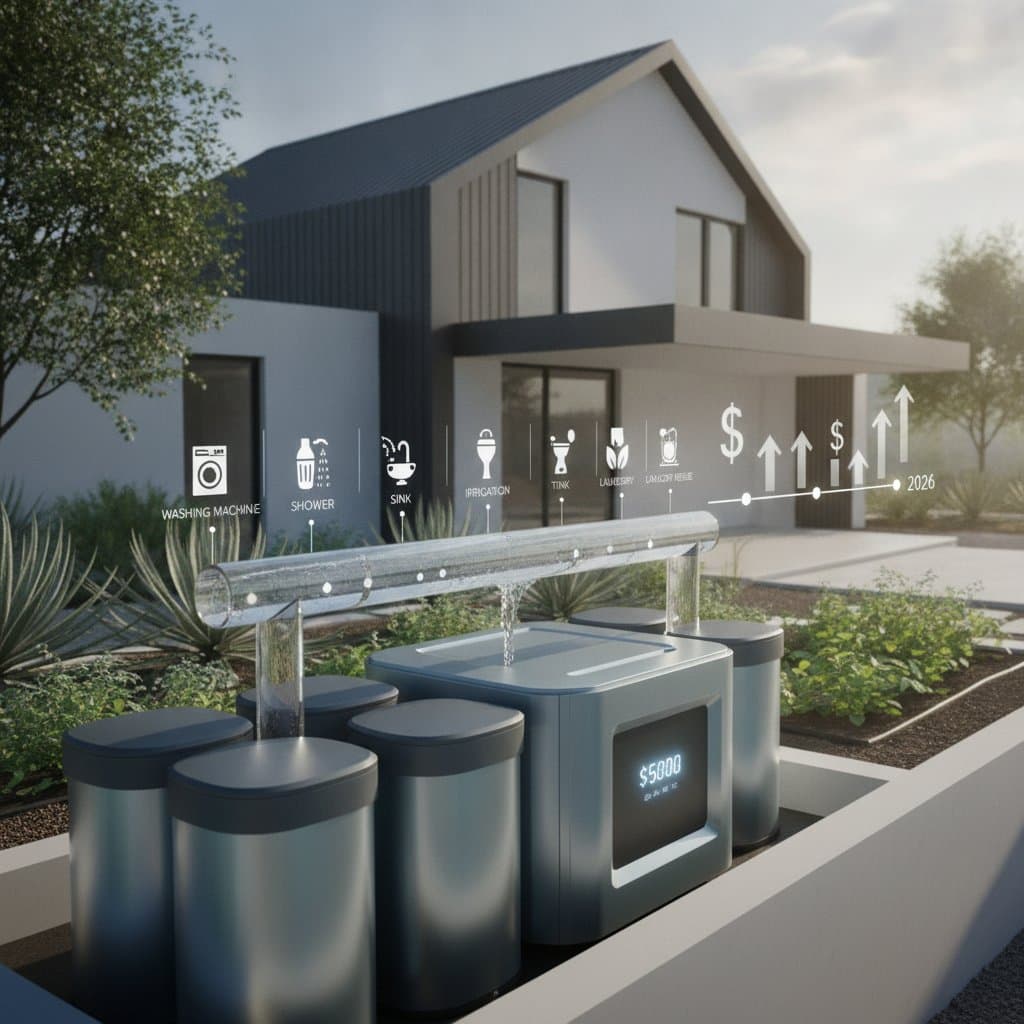
Household water recycling emerges as a viable strategy for reducing expenses and promoting sustainability. Greywater systems collect water from sources like showers, bathroom sinks, and washing machines, then treat it for non-potable uses such as garden irrigation or toilet flushing. The appeal of these systems rests on a clear grasp of both initial outlays and future returns. Homeowners who approach installation with full awareness position themselves for meaningful financial and environmental gains.
Breaking Down Greywater System Costs
Costs for greywater systems vary based on scale, design intricacy, and daily water volume handled. Many individuals overlook the full scope of expenses involved.
Basic systems suitable for do-it-yourself assembly, such as those diverting laundry effluent to outdoor plants, require materials like flexible hoses, diverter valves, and basic sediment filters. Expect to spend between $200 and $500 on these components, though their simplicity limits them to low-volume applications and shorter operational life.
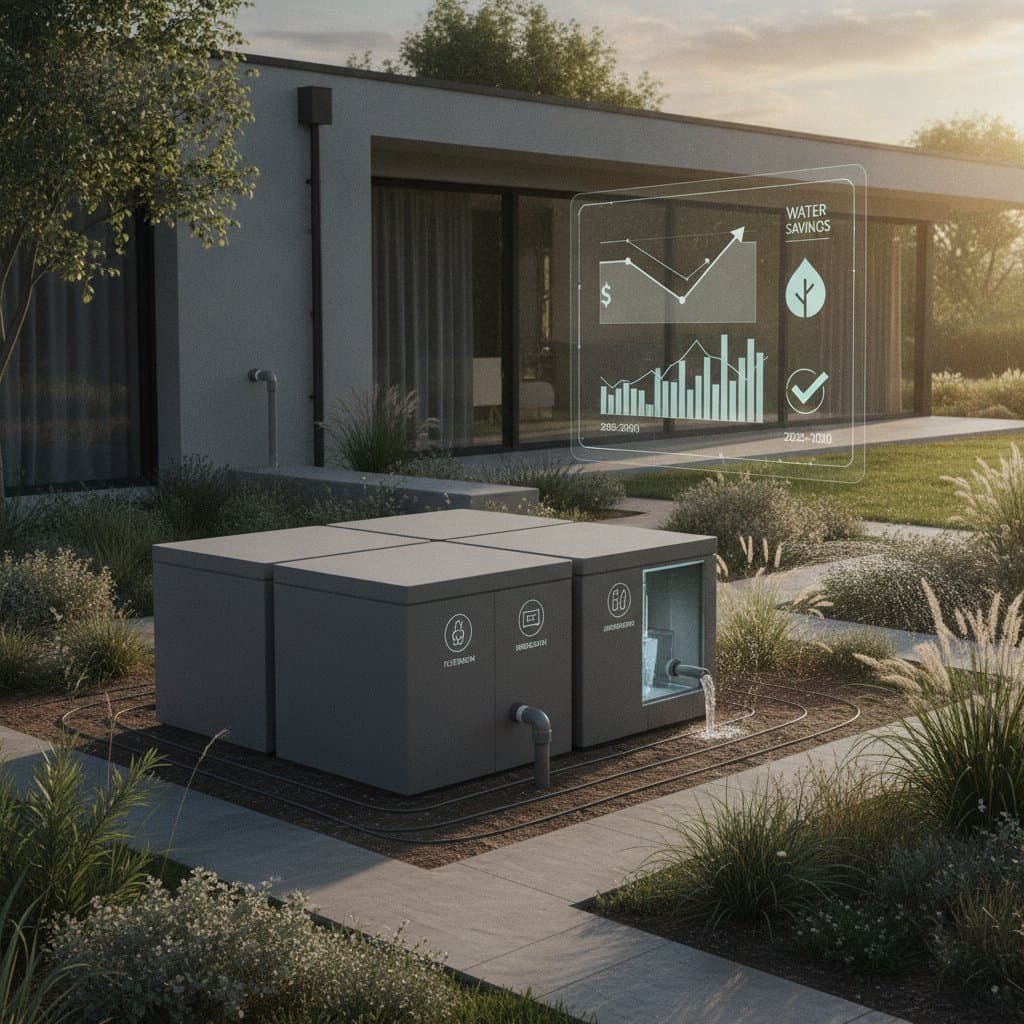
Professional setups, integrating multiple plumbing sources with advanced filtration units, pumps, and storage reservoirs, typically range from $3,000 to $10,000 or more. Expenses escalate with needs like rerouting existing pipes or adapting to sloped landscapes that demand additional pumping capacity.
Post-installation surprises often include:
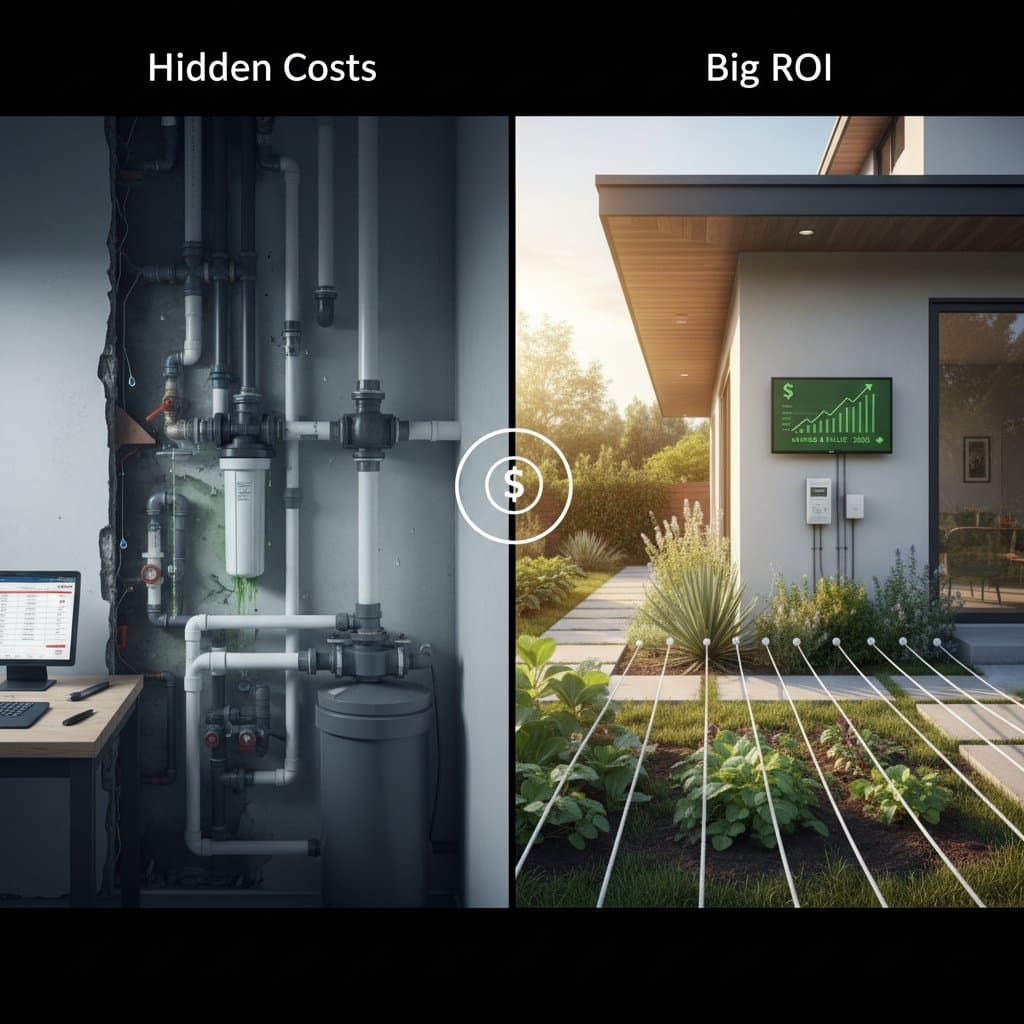
- Plumbing alterations, particularly in homes built before 1980, where accessing cast-iron or galvanized lines involves wall openings or floor excavations.
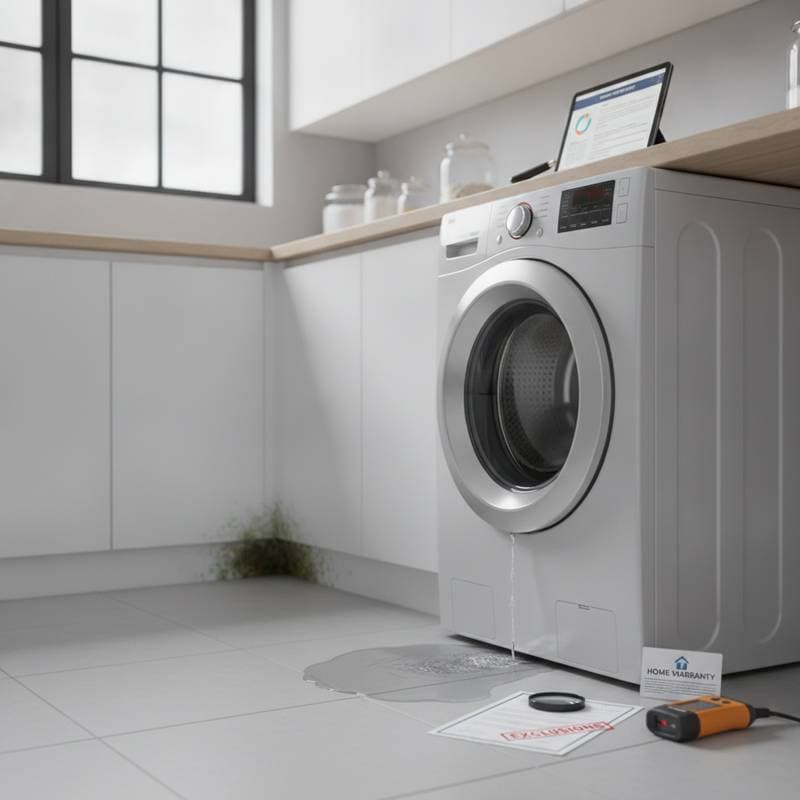
- Ongoing maintenance, encompassing filter replacements every six months at $50 to $150 each and tank sanitization annually to prevent bacterial buildup.
- Regulatory fees, such as $100 to $500 for permits and inspections mandated in areas like California to verify pathogen removal and system integrity.
- Power consumption, as pump-equipped models draw 50 to 200 watts hourly during operation, adding $20 to $100 yearly to electricity bills.
Despite these factors, reductions in water utilities and enhancements to home worth frequently recoup investments within five to seven years.
Calculating the Long-Term ROI from Greywater Recycling
Effective greywater systems cut domestic water consumption by 30 to 50 percent, varying with household size and system efficiency. In arid regions like the Southwest United States, where rates exceed $0.01 per gallon, monthly savings can reach $50 to $150, accelerating payback periods.
Financial advantages extend to real estate value. Sustainable upgrades appeal to 70 percent of millennial buyers seeking lower operational costs and eco-certifications. A greywater installation might elevate property appraisals by 2 to 5 percent, or $10,000 to $25,000 for a median-priced home.
Intangible returns further amplify worth. Reclaimed water nourishes landscapes with nutrient-rich flow, yielding lusher gardens without supplemental fertilizers. Communities benefit from eased pressure on public supplies, while properties gain resilience against water shortages projected to affect 40 percent of global populations by 2025.
Weighing DIY Against Professional Installation Options
Cost-conscious homeowners often explore self-built greywater solutions. Simple laundry-to-landscape diversions suit small yards, routing surfactant-laden water directly to tree roots via mulch basins.
Advantages of DIY approaches encompass initial savings of up to 80 percent over pro installs and personal insight into system mechanics, fostering proactive troubleshooting. Challenges arise from potential errors, such as mismatched pipe diameters causing leaks or inadequate surfactants leading to soil salinization.
Professional installations provide engineered precision with UV disinfection or biofiltration to meet health standards, backed by 5- to 10-year warranties. Experts assess site hydrology, ensuring optimal pressure at 20 to 40 PSI for even distribution, which sustains performance over decades.
For residences beyond basic needs, expert involvement minimizes liabilities like code violations that could incur fines up to $1,000.
Essential Factors to Assess Prior to Greywater Installation
Thorough evaluation sets the foundation for success. Homeowners should review:
- Daily water patterns, tracking usage via utility statements to project 20,000 to 50,000 gallons annually reusable.
- Jurisdictional regulations, consulting local health departments for rules on subsurface dispersal versus surface application.
- Site constraints, measuring space for a 100- to 500-gallon holding tank and trenching 12 to 18 inches deep for distribution lines.
- Upkeep readiness, committing to bi-monthly checks that take 30 minutes, using tools like pH testers to maintain neutral effluent.
- Financial leeway, allocating 10 to 20 percent above estimates for contingencies like soil percolation tests at $300 each.
Such diligence averts pitfalls and optimizes system output.
Implementing Greywater for Lasting Water Security
Adopting a greywater system advances beyond routine upgrades to embody proactive resource stewardship. Homeowners who navigate costs and harness returns secure not only fiscal relief but also a fortified stance against escalating water scarcity. Regular upkeep ensures sustained efficacy, turning recycled flows into a cornerstone of resilient, self-sufficient living.